Wally
Wally is a perfumer whose work sits quietly at the intersection of chemistry and curiosity, though the finer contours of their background remain something of a mystery. Little is publicly documented about their training, their hometown, or the moment they first fell under the spell of raw ingredients. What we know is this: they practice the art of composition with a name that carries a certain easy familiarity, the kind that suggests a colleague rather than a celebrity. Their creative footprint is still emerging in the wider fragrance world, and Silloria is watching that footprint closely as new releases find their way to shelves. For now, the absence of a sprawling press portfolio speaks not to obscurity but to a perfumer still gathering raw material for what may become a very particular legend.
The hits
Notable creations
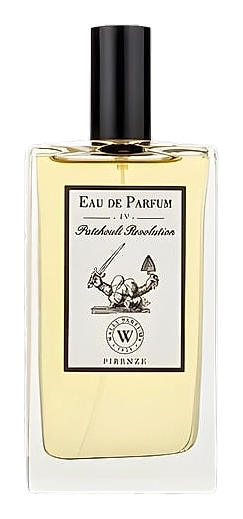
The signature
How Wally composes
Wally's hand at the organ is still being defined, but early signals suggest a preference for clean architectures with warm, humanist cores. The vocabulary leans toward the tactile: musks that feel skin-like rather than soapy, woods that carry resinous depth without tipping into heaviness, florals handled with an editor's red pen rather than a maximalist's brush. Citrus appears treated as punctuation, lifted and bright, then folded back into the composition rather than allowed to shout. There is also a discernible comfort with ambers and soft spices, the kind of materials that photograph poorly on a strip but glow on a wrist. Expect houses built from three or four well-chosen pillars rather than sprawling structures trying to please everyone at once.
Philosophy
What drives Wally
Wally approaches fragrance as a form of unspoken conversation, one between the wearer and the quiet hours of their own day. Their creative impulse seems rooted in patience rather than spectacle: the conviction that a good composition earns its presence slowly, through the small, repeated decisions of how to layer, how to subdue, how to let an accord breathe. There is an instinct here for restraint, for letting a single luminous ingredient carry the weight of a formula rather than drowning it in chorus. Whether working on a cologne intended for a morning commute or something richer meant for candlelight, the underlying question appears constant: what does this scent do to the room it enters, and to the person wearing it once the room has been forgotten.
The houses