The Story
Why it exists.
The beginning
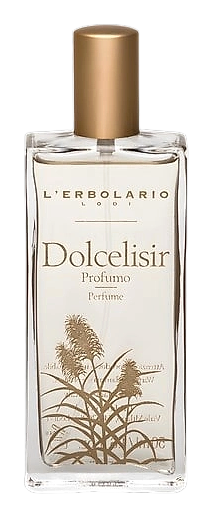
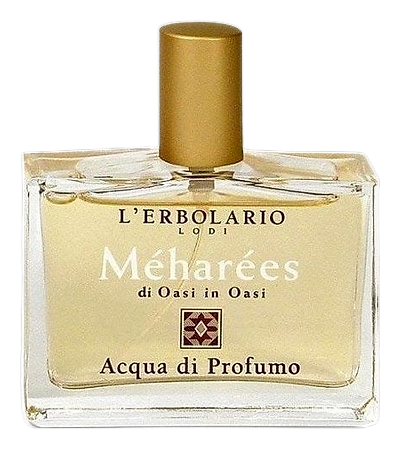
L'Erbolario built its identity in 1978 Lodi, transforming botanical extracts into modern perfumes rooted in Italian herbalist tradition. Meharées emerged from this legacy, aiming to bottle the warmth of Mediterranean spice lanes and sun-drenched citrus groves. The perfumer drew on the house's expertise in natural materials, combining cinnamon's fiery heat with bright citrus and soft rose for an opening that feels both energizing and refined.
The note architecture reflects a belief that warmth and complexity belong tog ether. Cinnamon provides immediate energy while citrus keeps it from becoming heavy. The woody heart grounds the brightness in something substantial, and the vanilla drydown ensures the scent remains personal rather than projecting loudly. These materials were chosen to complement each other, creating a fragrance that feels cohesive from first spray to final hours on skin.
The evolution
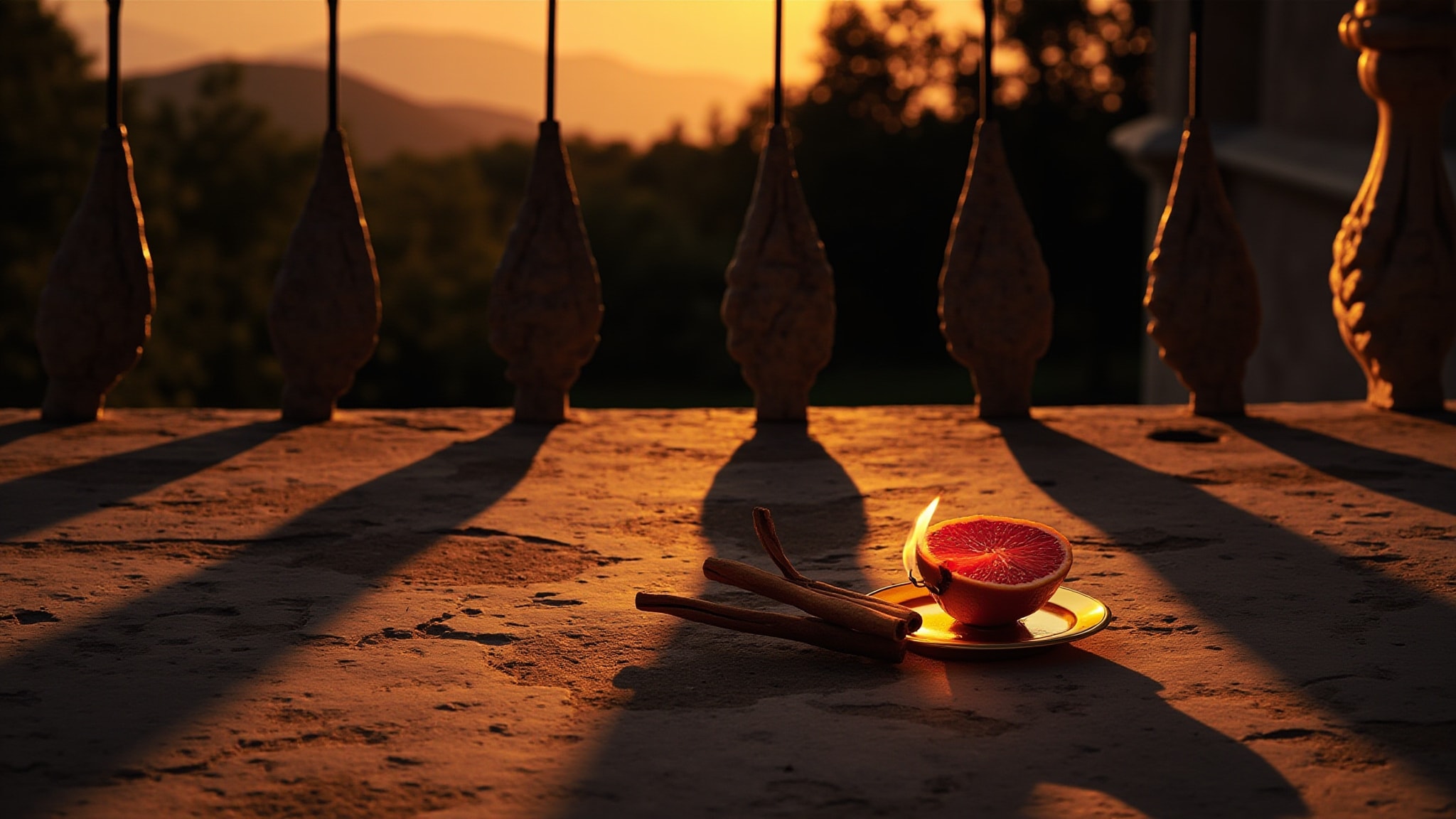
The fragrance opens with a burst of warm spice as cinnamon dominates the first minutes, quickly joined by the brightness of orange and bergamot. Rose appears subtly, threading through the citrus and spice without overpowering. As the minutes pass, the heart takes over with a parade of woody notes. Guaiac wood and patchouli bring depth and earthiness while sandalwood and cedarwood layer in creamy and dry wood facets. The drydown softens everything, amber and vanilla wrapping the woods in honeyed warmth as musk adds a skin-close intimacy that lingers for hours.
Cultural impact
Meharées arrived at a moment when L'Erbolario sought to reinterpret classic Mediterranean spice traditions for a modern audience. By blending familiar citrus and rose with deeper woody accords, the scent nods to historic market stalls in Southern Italy where cinnamon and orange were prized commodities. Its release sparked conversations on gender‑fluid fragrance choices, encouraging both men and women to explore warm, unisex compositions. Over the following years the perfume has been featured in cultural events celebrating regional culinary heritage, reinforcing the link between scent and shared memory.