
The Story
Why it exists.
The beginning
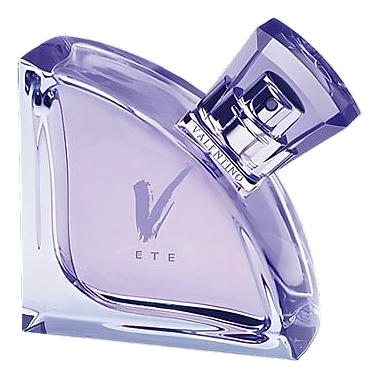
V Ete appeared as Valentino's seasonal release in 2006, a limited floral-fruity composition built around a bright, easy-wearing character. The bottle design came from Ateliers Dinand, working with clean architectural lines that matched the fragrance's lighter direction. By that point the Valentino name had been tied to its fragrance operations through licensing arrangements that included Procter & Gamble and Metropolitan Cosmetics, bringing commercial structure to what had begun inside the fashion house. V Ete itself leaned toward openness rather than the dense, layered profiles that often define the Valentino fragrance shelf, choosing a daylight register over heavy evening projection.
What makes the structure worth noticing is how the lychee carries the opening. It's a note that reads almost neon in perfumery, tropical and candy-sweet, and pairing it with the green-cool snap of bamboo leaf keeps it from tipping into pure fruit-punch territory. The Bulgarian rose running through both top and heart notes ties the opening sweetness to the fuller floral heart, so the lychee doesn't vanish and leave a gap as the composition evolves.
The evolution
The first ten minutes are all about the lychee and violet, that sweet-cool combination that smells like cold fruit in a glass bowl. Bamboo leaf adds a watery green edge, and the Bulgarian rose is there but holding back, waiting. By the thirty-minute mark the lychee has softened, the violet recedes, and the heart flowers open: peony and jasmine join the Bulgarian rose, and the composition gets rounder, less sharp. Geranium adds a faint rosy-green trace that keeps it from going too sweet. The drydown starts showing up around the two-hour mark, and it's where V Ete reveals its quieter side. Patchouli and sandalwood take over, warm and slightly creamy, with guaiac wood adding a smoky-amber thread underneath. The musk settles close to skin, and the cedar keeps everything from going heavy.
Cultural impact
V Ete was a limited summer release in 2006, and its scarcity has shaped how the fragrance community talks about it. Within the early-2000s wave of floral-fruity compositions, it occupies a distinct place, built around a lychee-violet opening that was relatively uncommon in mainstream fragrance launches at the time. It wears well in warm weather, reads young without trying to, and sits in a space between casual daytime fragrance and something with a bit more intention. The combination of bright tropical fruit with a woody amber base gave it a recognizable profile in a market crowded with single-note florals and straightforward aquatics.