
The Story
Why it exists.
The beginning
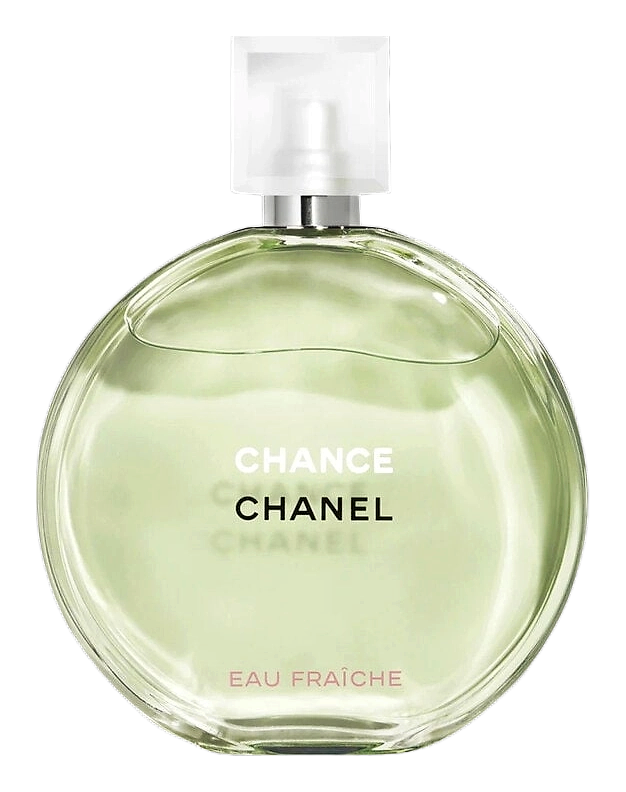
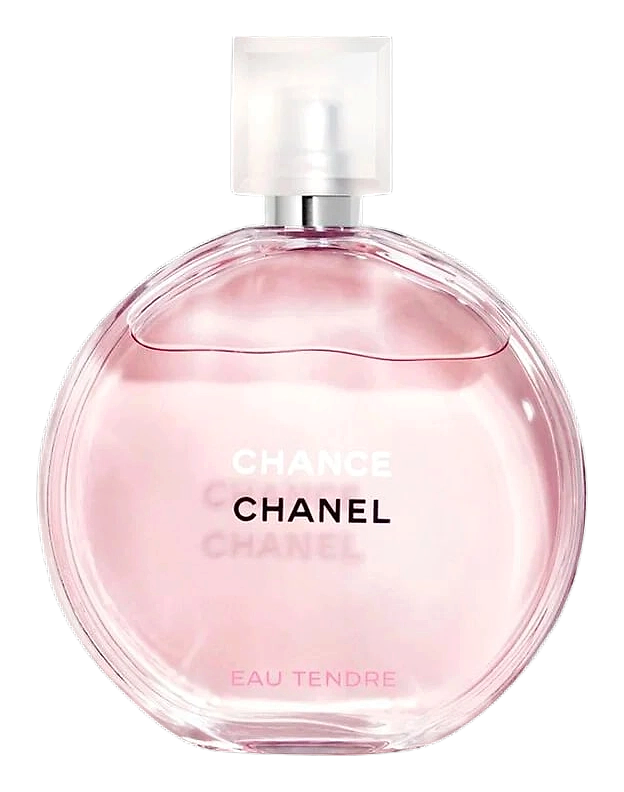
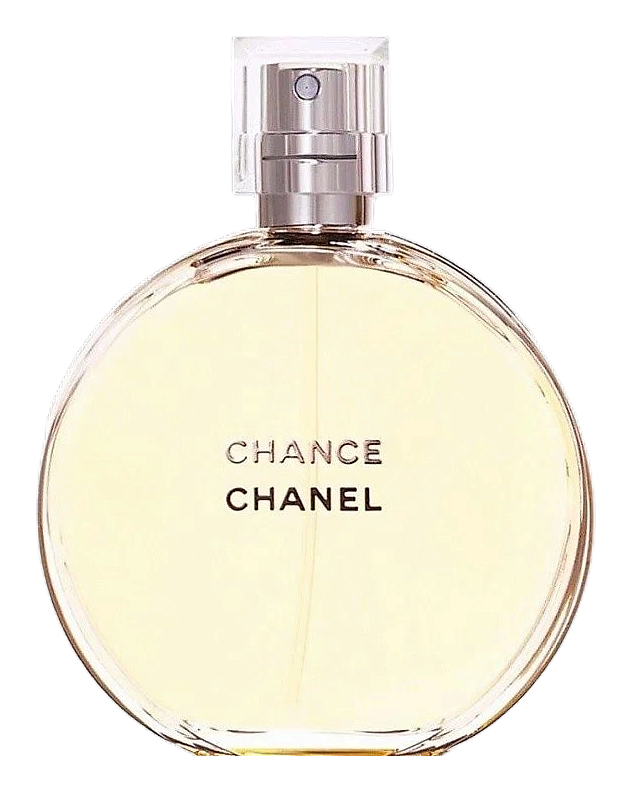
Jacques Polge created Chance in 2002 as Chanel's first round bottle, departing from the iconic square Chanel lines that had defined the house for decades. The round shape represented movement, possibility, and the idea that chance itself could be channeled into something intentional. Polge understood that Chanel clients wanted sophistication but also wanted fragrance to feel alive, capable of revealing different facets depending on the wearer and the moment. The name Chance was not accidental; it was a philosophy embedded in glass. The perfumer built the fragrance to shift and reveal, never static, always in conversation with the person wearing it.
The note structure reflects a deliberate philosophy: fresh opening notes that invite attention, a floral heart that reveals depth, and a warm drydown that creates memory. Pink pepper and iris in the opening reference classic Chanel elegance while pineapple adds contemporary brightness. The jasmine heart grounds the fragrance in traditional feminine perfumery without feeling dated. Vetiver and vanilla in the drydown create the kind of warm, skin-close finish that makes someone lean in. This structure means Chance works differently on different people, the same way luck or chance itself never follows a single predictable path.
The evolution
The fragrance opens with pink pepper's clean spice, a modern counterpoint to traditional aldehydic openings. Iris arrives quickly, bringing its signature powdery, slightly metallic elegance that anchors the top notes in Chanel's house style. Pineapple adds unexpected juiciness while hyacinth contributes green, almost aquatic floral depth. As the citrus heart emerges, jasmine amplifies the floral narrative with its characteristic indolic richness. The drydown shifts dramatically to vetiver's earthy foundation, grounded further by patchouli's bittersweet complexity. Musks and vanilla create a warm, lingering trail that feels intimate rather than loud, the kind of presence someone notices only when they are close enough to truly smell you.
Cultural impact
Chance found its audience among those who loved Chanel's aesthetic but wanted something that did not announce itself. The round bottle became recognizable, photographed, discussed. It sits comfortably in a handbag, on a vanity, in the background of a million moments that were not about perfume. That was the point: Chance works best when you are too busy living to think about what you are wearing.