The Story
Why it exists.
The beginning
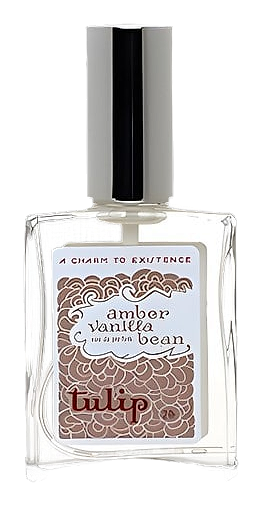
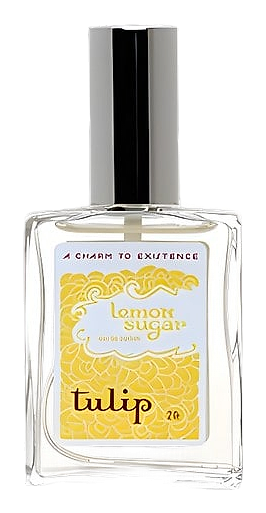
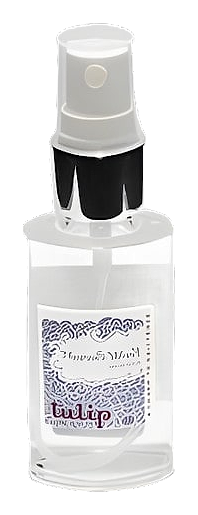
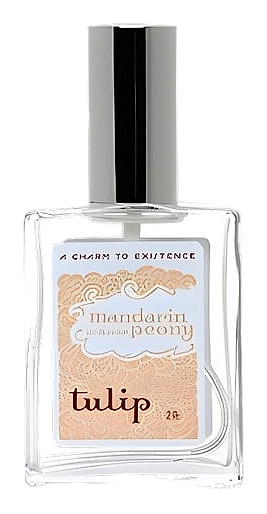
Mandarin Peony arrived in 2010 as part of Tulip Perfume Co.'s early lineup, the floral counterpart in a debut collection that leaned into simple, wearable pleasure. Victoria England built the house on a simple belief, that fragrance should feel personal, not performative. The brand's opening releases included Lemon Sugar and Amber Vanilla Bean, scents that read playful and edible, almost nostalgic in their warmth. Mandarin Peony sat alongside them as the floral counterpart, the kind of perfume that carries romance without forcing it, a scent made for someone who wants softness without fuss. The composition draws on two of perfumery's oldest love stories, the lush fullness of peony and the bright lift of mandarin, then grounds them in a base that feels more like skin than structure.
What makes Mandarin Peony quietly clever is its restraint. Peony is a notoriously delicate flower to render in fragrance, it can collapse into soap or vanish entirely within minutes. Here it's built on a bed of fruit and amber that gives it weight without tipping into sweetness. The mandarin isn't there to shout citrus; it lifts the peony the way morning light lifts a room. The rose in the base doesn't compete with the peony above it. It echoes it, the same floral language spoken from a lower register. The result is a composition that feels cohesive instead of stacked, each note doing a job instead of showing off. It's the kind of simple that takes a surprising amount of care to get right.
The evolution
The first ten minutes belong entirely to peony and mandarin, a bright, almost fizzy opening that reads clean and green before any fruit shows itself. There's a softness to the petal quality that feels more like crushed stem than flower water. By the thirty-minute mark the fruit arrives. It rounds out the peony, gives it body, pulls the composition away from anything that might read as soapy. The drydown is where this fragrance earns its place. Amber and rose settle into skin, warm and slightly powdery, the kind of scent that clings to a scarf and shows up the next morning on a pillow. The amber here isn't the dense, resinous variety. It reads closer to warm skin than to incense, a quiet hum beneath the petals that keeps everything grounded.
Cultural impact
Mandarin Peony sits in a comfortable middle ground of soft floral-citrus fragrances, a quiet alternative in a category crowded with louder launches. It's the choice for someone who wants romance without drama, a quiet signature rather than a statement. Wearers tend to describe it as approachable and warm, the kind of fragrance that gets softer the closer you stand to someone wearing it. It belongs to spring mornings, first dates, and the kind of brunch where everyone's still in a good mood.
The House
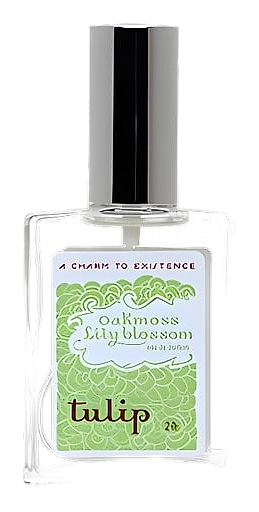
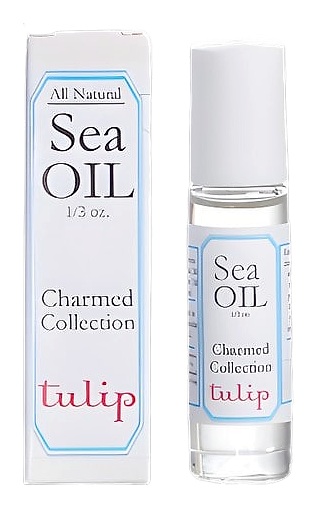
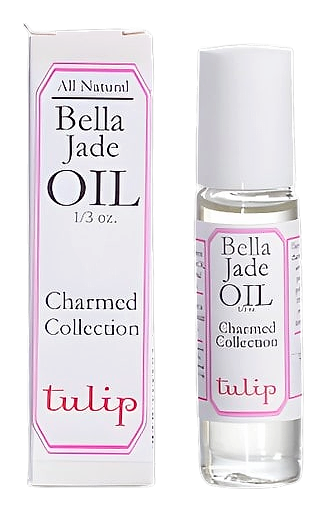
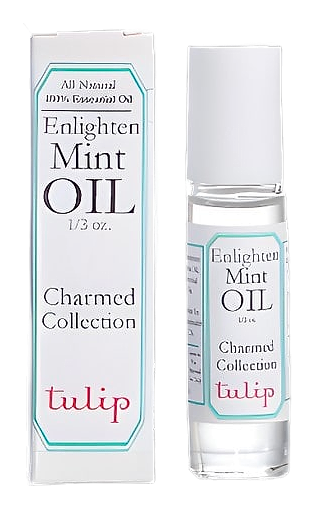
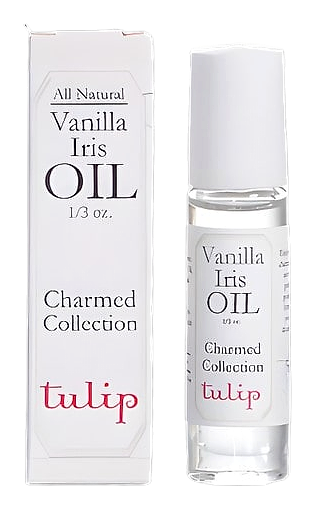
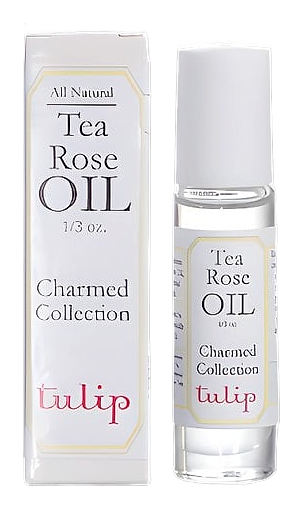
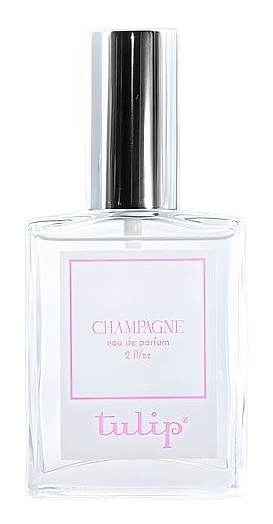
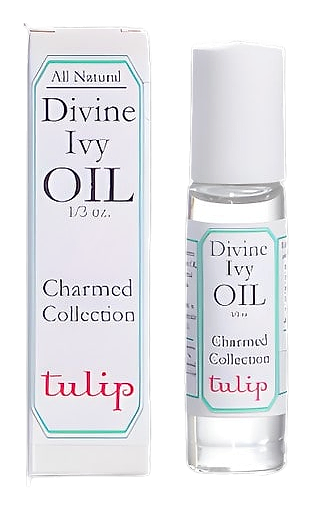
TulipTulip Perfume Co. is an independent fragrance house founded in 2007 by Victoria England in Eureka, California. The brand operates as a woman-owned business in Northern California's Humboldt County, producing small-batch botanical fragrances that blend modern perfumery with natural ingredients. Tulip's catalog spans both traditional alcohol-based eau de parfum sprays and concentrated oil formulations, offering consumers a diverse range of scent profiles from bright citrus and tropical notes to more complex wood and floral compositions. The brand maintains a commitment to vegan and cruelty-free production, reflecting a philosophy that prioritizes both ethical manufacturing and accessible pricing. With origins rooted in the natural beauty of the Pacific Northwest, Tulip draws creative inspiration from its regional surroundings while serving customers across a broader market through its online presence.
The Creator
Victoria EnglandEngland gravitates toward bright, optimistic compositions where citrus and sweet accords anchor the structure. Her Lemon Sugar exemplifies this approach, finding equilibrium between effervescence and depth.