The Story
Why it exists.
The beginning
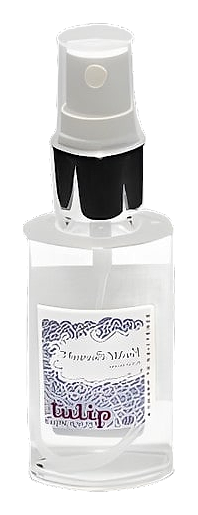
Neroli Wood arrived in 2011 from Tulip Perfume, the Northern California botanical fragrance house that has been operating since 2007. It marked a composition built around a single tension, sweet flower versus serious timber, and let both sides speak. The name tells you what you're getting: the bright citrus bite of neroli, then the resinous depth of wood. England built it with neroli carrying the opening in a sharp, almost herbal register, orange blossom with a green edge that clears the air around the wearer. Then the cedar and pine arrive and the neroli stops shouting and starts settling, cool and resinous rather than heavy or smoky. The base layers in amber and musk for warmth without sweetness, anchoring the brightness instead of drowning it.
What separates Neroli Wood from a typical neroli-wood composition is the character of its pine note. Standard pine in fragrance tends toward furniture polish or generic conifer, something flat and expected. The pine here reads resinous and almost medicinal, carrying a green coldness that prevents the composition from drifting into simple fresh-citrus territory. That material gives the heart phase its distinctive bite, a chilly sharpness that cuts through the sweetness of the neroli rather than sitting politely beside it.
The evolution
The opening is all neroli, sharp and almost herbal, a bright cut of orange blossom with a green edge that clears the air around you. As the composition develops, the cedar and pine arrive, and the neroli stops shouting and starts settling. The wood isn't heavy or smoky; it's cool, resinous, and clean, with a resinous medicinal coldness in the pine that keeps things from getting too soft. As the hours pass, the neroli fades into a soft haze while the pine and cedar hold their shape, refusing to disappear entirely even as the citrus loses its top-note snap. Eventually, amber and musk take over the base, warming the composition without adding sweetness, and the drydown settles into the quietest part of the wear, a soft skin-warm musk with faint woody traces and a powdery edge.
Cultural impact
Neroli Wood sits in a quiet corner of the fragrance world, the kind of composition that appeals to wearers who already know what they like. It shares conceptual territory with other botanical-leaning unisex fragrances, the kind of scent that reads sophisticated without trying, grounded in neroli and wood rather than built around a loud designer hook or a celebrity association. Its appeal is sensory more than anything: a clean, grounded composition that balances bright citrus against resinous depth, wearing close to the skin rather than filling a room.