Victoria England
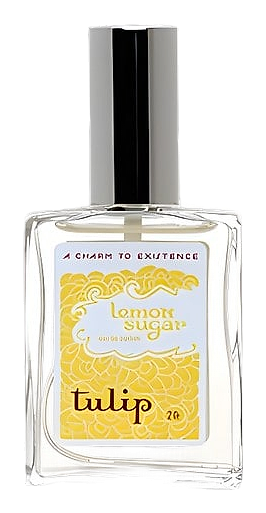
Victoria England discovered perfume at fourteen, wandering the aisles of Body Time in her hometown of San Anselmo, California. That early curiosity never dimmed. She pursued political science in the United States, a background that shaped how she approaches fragrance creation: through careful research, structural thinking, and an understanding of how people connect with scent on a deeper level. She brought that analytical mind into the perfume industry, eventually creating Lemon Sugar for the brand Tulip. The work draws on her methodical training while honoring the sensory intuition that first pulled her toward perfumery. England represents a generation of perfumers who treat fragrance as both art and intellectual pursuit.
The hits
Notable creations









The signature
How Victoria composes
England gravitates toward bright, optimistic compositions where citrus and sweet accords anchor the structure. Her Lemon Sugar exemplifies this approach, finding equilibrium between effervescence and depth. She favors clean materials that feel contemporary yet grounded, often combining fresh and gourmand elements in unexpected ways. Her technique emphasizes balance over intensity, ensuring each ingredient has purpose within the composition. The result feels accessible without sacrificing complexity, approachable without becoming forgettable. England seems most at home when building fragrances that reward repeated wearing.
Philosophy
What drives Victoria
For England, perfume operates at the intersection of memory and emotion. She builds fragrances the way a political scientist constructs an argument: layered, deliberate, with attention to how each element supports the whole. She draws from her research background to inform creative decisions, developing briefs that balance consumer understanding with artistic vision. England believes in the power of scent to communicate something beyond words, and she approaches each creation as an opportunity to build that kind of quiet, lasting connection with wearers. Her work resists fleeting trends in favor of scents that feel genuinely necessary.
The houses