Heritage
A house, in its own words
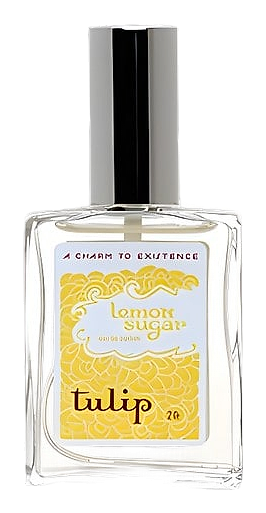
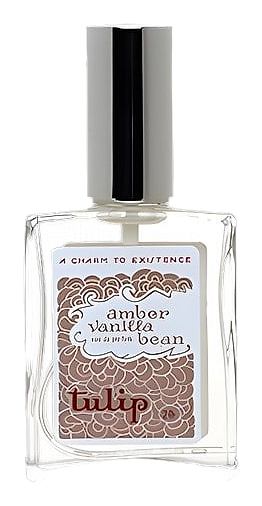
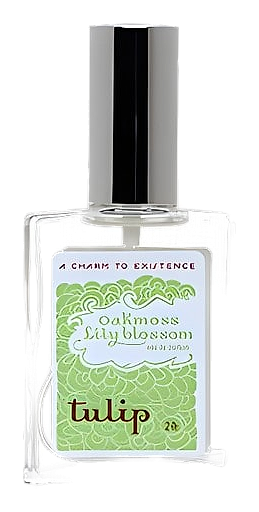
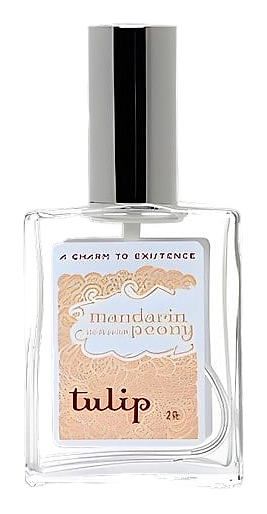
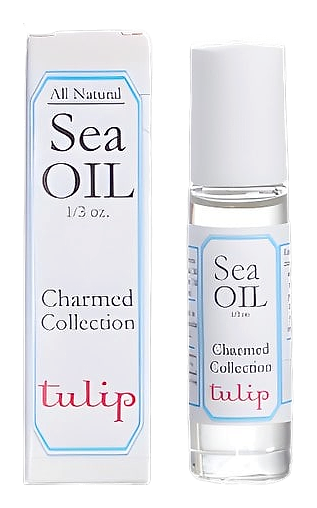
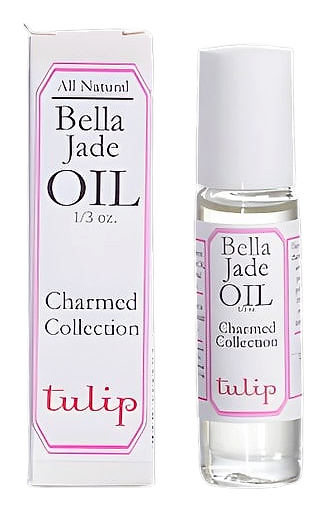
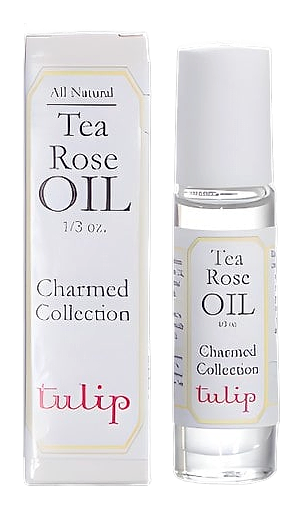
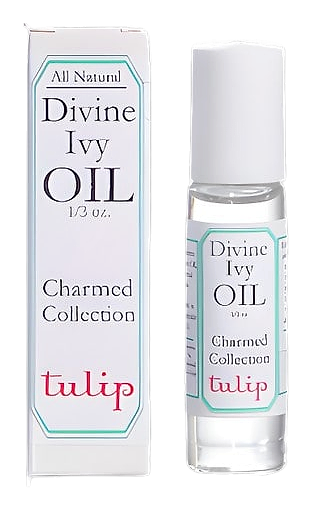
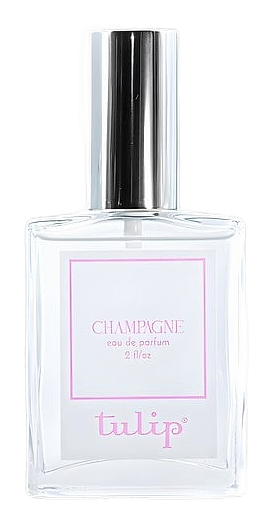
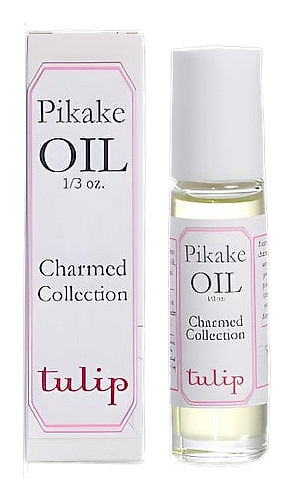
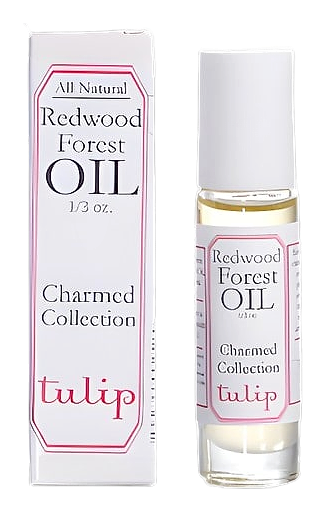
Victoria England established Tulip Perfume Co. in 2007, launching her fragrance business in Eureka, a small city nestled within Humboldt County along California's northern coast. The region's reputation for cannabis cultivation has shaped a unique local economy, yet England sought to introduce a different kind of botanical enterprise to the area. Her background in fragrance design emerged from a personal passion for scent rather than formal perfumery training, leading to an approach that favors intuitive blending over traditional academic methodology. Early offerings from the brand included fruit-forward compositions like Lemon Sugar and Amber Vanilla Bean, both released in 2010, alongside floral-oriental combinations such as Oakmoss Lily Blossom. The following year brought more complex botanical work with Neroli Wood, which married orange blossom absolute with woody base notes. By 2014, the company had significantly expanded its oil-based offerings, introducing concentrated formulations including Divine Ivy Oil, Redwood Forest Oil, Sea Oil, and Pikake Oil, demonstrating an increased focus on natural perfumery techniques. England's entrepreneurial journey gained broader recognition when Organic Spa Magazine profiled her CBD perfume collection, highlighting her willingness to experiment with emerging botanical categories beyond conventional fragrance categories. Tulip Perfume Co. operates on the principle that fragrance should be both accessible and honest. The brand positions itself against the exclusivity often associated with luxury perfumery, instead emphasizing direct relationships between creator and consumer. England's approach to scent design prioritizes emotional resonance over technical complexity, describing her fragrances as cultivated collections of treasured memories. This framing suggests an autobiographical quality to the creative process, where each scent represents a specific moment or sensory experience translated into olfactory form. The brand's botanical orientation reflects a broader commitment to natural materials, though the specific sourcing practices and supplier relationships remain largely undocumented in public materials. Vegan and cruelty-free certification forms a core part of the company's ethical framework, ensuring that production methods align with stated values regarding animal welfare. Rather than pursuing industry recognition or awards, Tulip appears to measure success through direct customer engagement and the longevity of its product line, with several fragrances remaining available years after their initial release.