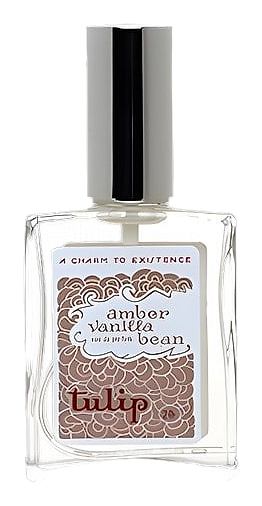

The Story
Why it exists.
The beginning
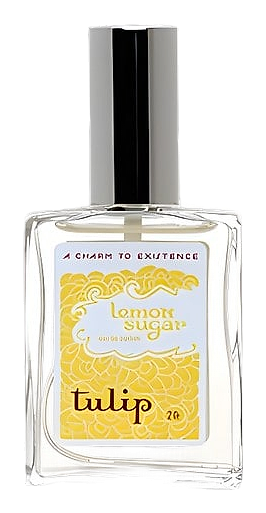
Amber Vanilla Bean was released in 2010 as part of Tulip's Classic Eau de Parfum collection. The fragrance features a blend of vanilla and amber, creating an earthy, warm character. The composition focuses on comfort without unnecessary complexity, building from the ground up rather than reaching for something distant or elaborate. This straightforward approach gives the scent a presence that feels natural and unforced, with the vanilla and amber notes working together to establish a foundation that invites close wear. The pairing is designed to be present without being loud, offering a quiet warmth that settles close to the skin rather than projecting outward.
What makes this composition interesting is what it doesn't do. Vanilla here doesn't go gourmand. Rose doesn't go loud. Instead, the materials seem to check each other, the sweetness stays tempered by amber's earthiness, the florals stay soft against the musk base. It's a study in restraint, which is harder to get right than people assume. The citrus opening is brief but functional, lending just enough brightness to keep the vanilla from settling too heavily. It's the difference between a fragrance that announces itself and one that simply exists in a room, noticed only when someone gets close enough to ask.
The evolution
The opening hits bright, citrus lifting off first, clean and uncomplicated. Within minutes, the vanilla arrives and softens the whole picture. The rose does not announce itself so much as it sneaks in underneath, adding a quiet floral dimension that most people do not identify as rose until it is pointed out. This is the phase that lasts, that vanilla-rose warmth sitting against warm amber skin. The drydown is where the musk earns its place, giving the whole thing a skin-like quality that feels less like perfume and more like a warm memory. On fabric, it lingers into the next day. The projection remains intimate, close enough to notice, never demanding attention.
Cultural impact
The amber-vanilla combination has deep roots in perfumery, appearing across numerous fragrance traditions. In contemporary niche fragrance culture, this pairing has become especially popular among smaller houses revisiting warm, familiar accords with modern sensibilities. The addition of citrus brightens what could otherwise be a heavy, cloying base, making it approachable for daytime wear while still maintaining that cozy, enveloping character. The style appeals to people who want warmth and sweetness without committing to full oriental territory, offering a gentler entry point into richer fragrance territory.