The Story
Why it exists.
The beginning
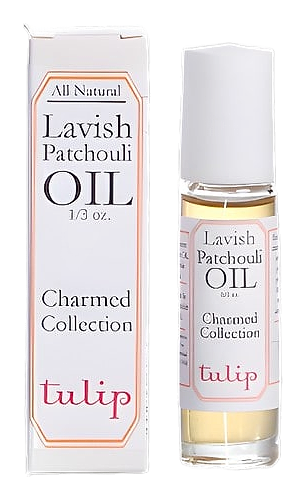
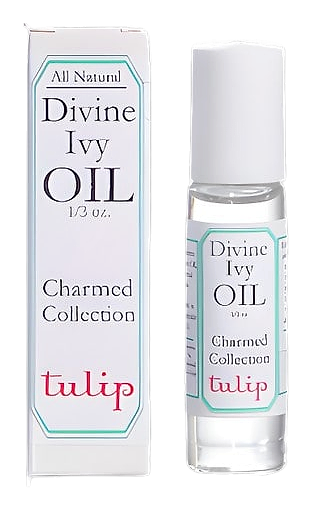
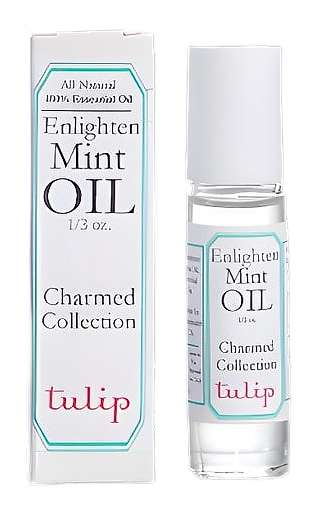
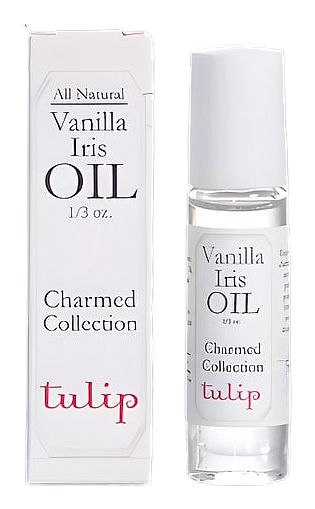
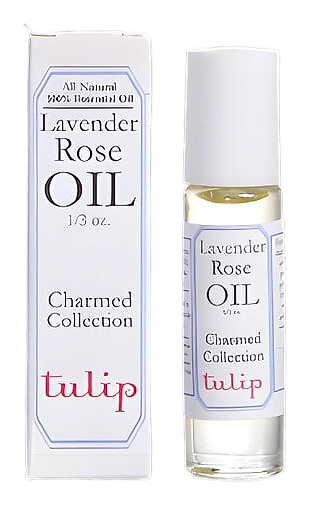
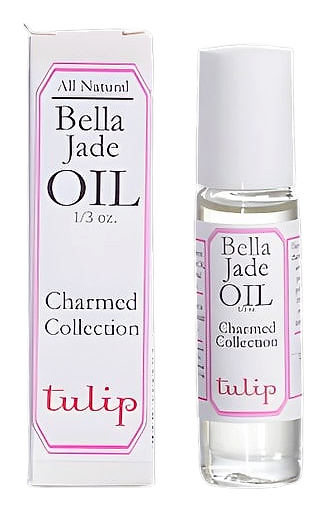
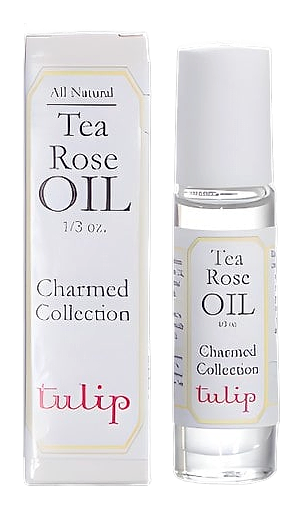
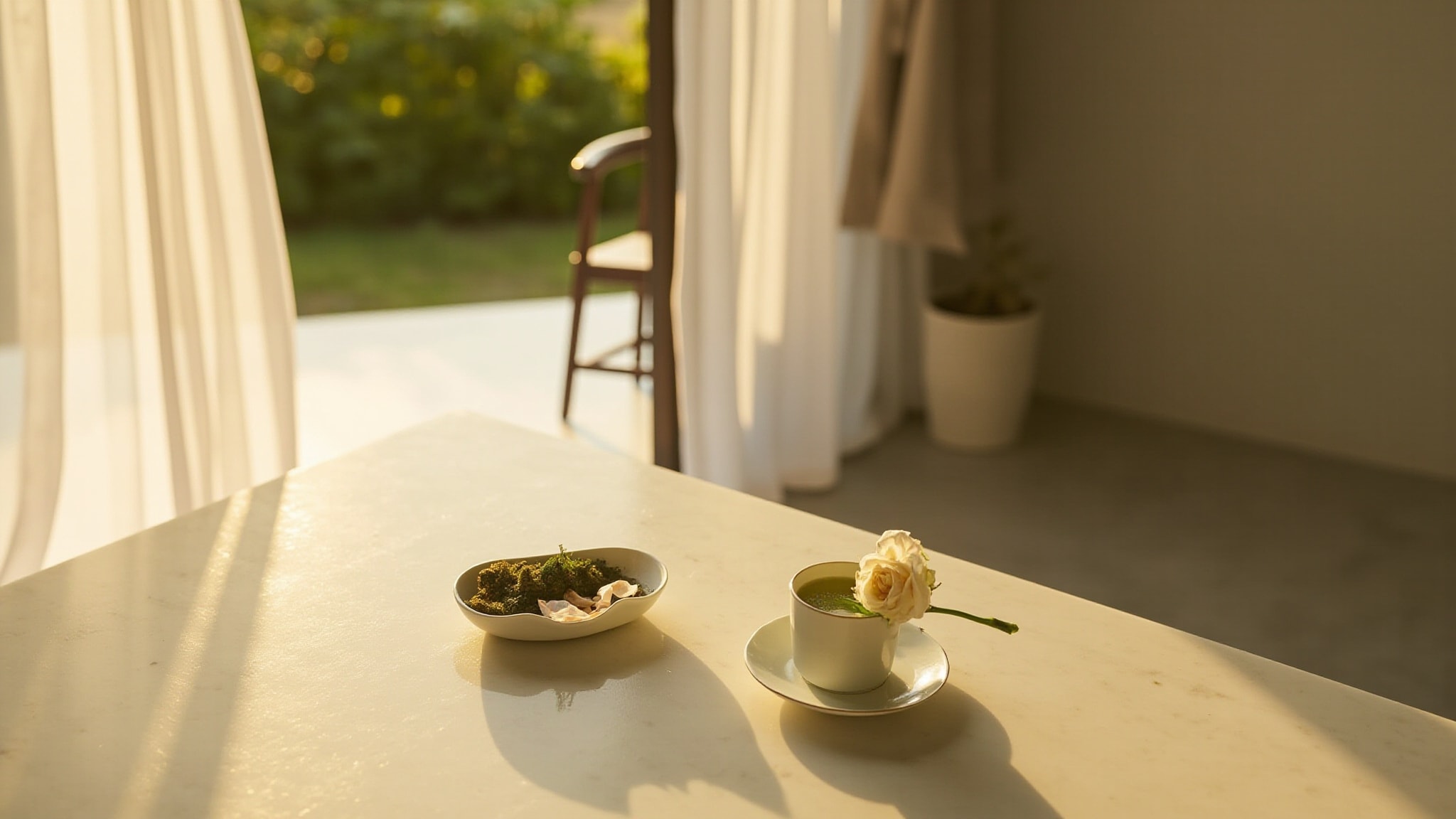
Victoria England launched Tea Rose Oil in 2014 as part of Tulip's Charmed Collection, a line of oil-based fragrances the brand designed for what they call the natural in all of us, that edgy side that loves nature, smells and spells. The collection brought together concentrated botanical oils, and Tea Rose Oil was its answer to rose, not the heavy, opulent, heady variety, but something lighter, greener, more like a garden than a bouquet. England built it around the tension between two botanicals that don't usually share space: soft rose and crisp green tea, threaded with rose hip and fresh garden greens. The result is a fragrance that wears like a memory, something nostalgic rather than new, deliberately understated in a category that often rewards excess. Available in 1/3 oz.
What makes this composition interesting is its restraint. The green tea runs alongside the rose from the start, pulling it toward something cooler, more herbal, more alive. Rose hip, the fruit left after a rose has bloomed, adds a tart, almost vegetal edge that keeps the floral from going soft. And the green notes throughout, described in the formula simply as garden greens, give the whole thing a sense of place, a garden rather than a vase. It's a structure that values balance over impact, and the interplay between the two leads keeps the fragrance from ever settling into a single mood.
The evolution
The opening arrives soft, already settled. Green tea and a wash of garden green hit first, light and slightly vegetal, the way morning smells before the sun warms everything up. There's a quiet, dewy quality right at the start that sets the tone for the next few hours. The rose doesn't rush in. It builds underneath the green, gaining weight slowly, and within the first thirty minutes the balance shifts, the tea pulling back, the petals taking center stage without ever becoming heavy or jammy. Rose hip surfaces in the middle stretch, adding a tart brightness that keeps the rose honest, the kind of sharpness you'd find in the fruit rather than the flower. After about two hours the composition starts to settle. The green fades first, the tea follows, and what's left is rose at its most distilled, clean, slightly dewy, close to the skin.
Cultural impact
Tea Rose Oil occupies a particular corner of botanical fragrance, one where rose is treated as a starting point rather than a destination. The combination of green tea, rose, rose hip, and garden greens gives it a profile that feels both familiar and slightly sideways, recognizably floral but pulled in a cooler, more herbal direction. That tension between the soft and the crisp is part of what makes the composition memorable, a rose that doesn't behave the way most roses do. The oil format reinforces the sense that this is a fragrance meant for the wearer first, a scent to live with rather than perform.