
The Story
Why it exists.
The beginning
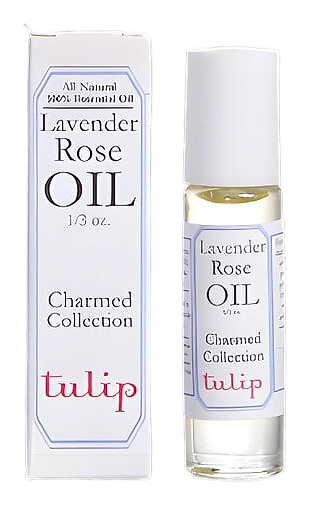
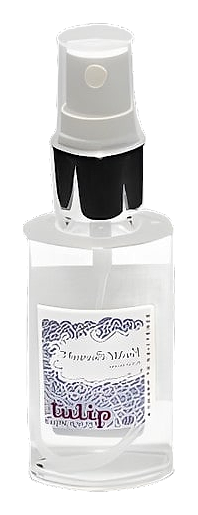
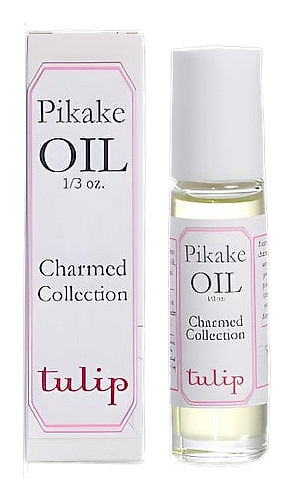
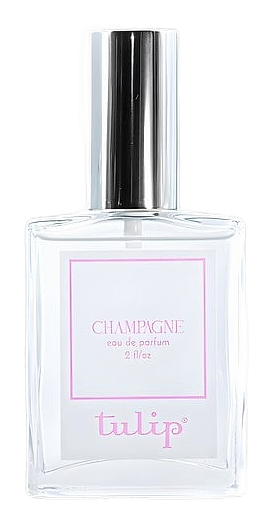
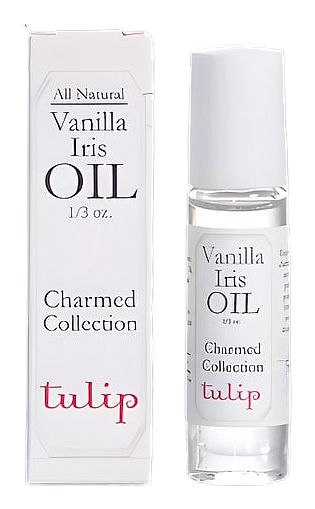
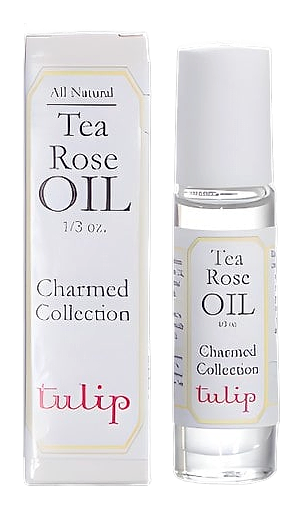
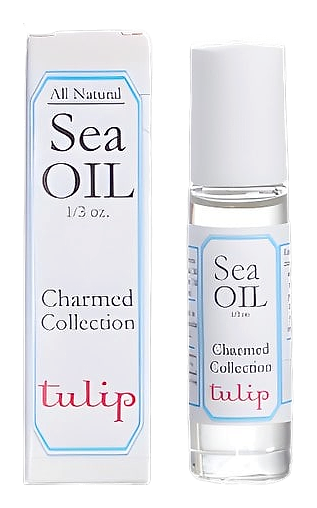
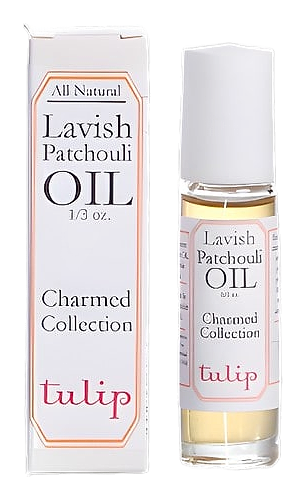
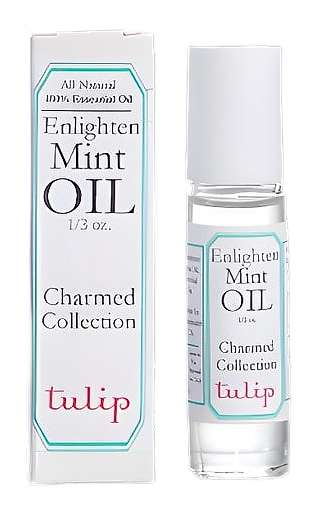
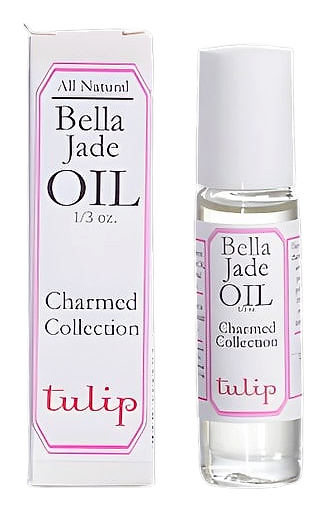
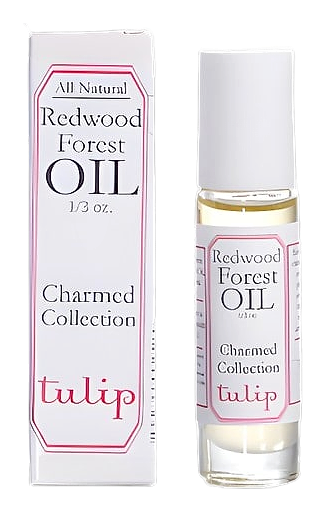
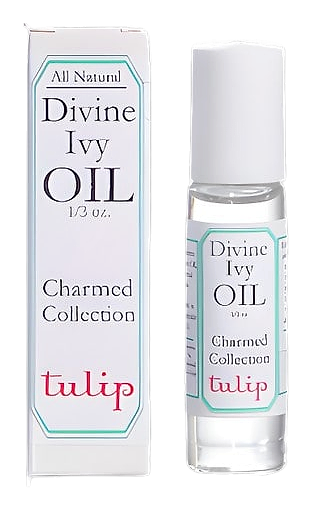
Tulip Perfume Co. built its Charmed Collection around oil-based fragrances rolled into small bottles, designed for someone who wants their scent to feel personal rather than performative. Divine Ivy Oil was one of them. The name does what it says. This is a green fragrance. Not green as in sustainable, not green as in trendy. Green as in chlorophyll, leaves, walls covered in something alive. The palette pulls from ivy, grass, and white florals, then drops the whole composition into a concentrated oil that behaves differently on skin than alcohol ever would. Slower to unfold, warmer against the pulse points, more like a second skin than a spray. The Charmed Collection was described as being for the natural in all of us, that edgy side that loves nature, smells, and spells.
What makes this composition interesting isn't any single note. It's the restraint. Grass and ivy are the entire spine. The white florals, lily of the valley, jasmine, white rose, arrive not as a contrast but as a softening. They sit underneath the green like light filtering through leaves, not like a separate accord fighting for space. The result is a fragrance that smells less like a composition and more like a place. Oil-based carriers change the way botanicals behave on skin. They don't project the way alcohol does, which means the fragrance stays intimate.
The evolution
On skin, Divine Ivy Oil opens with the greenest possible reading. Grass and ivy arrive simultaneously, sharp and alive, like stepping into a shaded garden after rain. The greenness is present, almost aggressive in its honesty. It announces itself without apology, filling the immediate space around the wrist or throat with something that reads as living, growing, still attached to the earth it came from. The white florals begin to surface as the composition settles, but they don't replace the green, they weave into it. Lily of the valley brings a cool sweetness, a clean dewy quality that softens the ivy without dulling it. Jasmine adds warmth, just barely, a fleshy depth that keeps the whole thing from feeling too austere. White rose shows up like a whisper, barely there but somehow essential. The whole heart phase reads as green florals rather than the other way around, which is unusual.
Cultural impact
Divine Ivy Oil sits in a specific corner of the fragrance world, the one occupied by people who want botanical honesty without the ceremony of niche perfumery. It's a small-batch oil, the kind of thing you find through word of mouth or a quiet corner of the internet, not the kind of thing that ends up in a department store display. The wearer isn't buying status. They're buying ivy. There's something refreshing about that directness, the refusal to dress up what the fragrance is. It's green. It says so on the label. It smells like what it says. The oil format reinforces that honesty.