

The Story
Why it exists.
The beginning
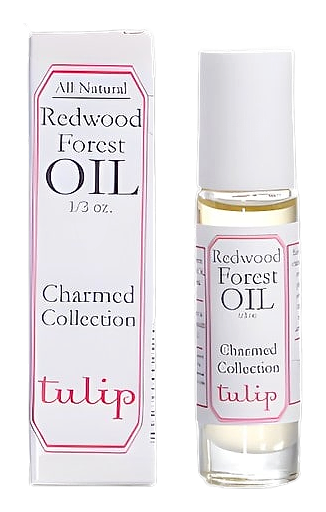
Redwood Forest Oil arrived in 2014 as part of Tulip's Charmed Collection. Victoria England composed it. The brief was literal: what does a redwood forest actually smell like? Not the postcard version. Not the camping-tent version. The real, layered thing. Tulip's Charmed Collection is for the natural in all of us, that edgy side that loves nature, smells, and spells. Each fragrance in the line is oil-based and available in a 1/3 oz rollerball. The format is small, portable, and built for the kind of person who keeps a fragrance close rather than displaying it on a vanity. For Redwood Forest Oil specifically, the composition pulls from green, woody, herbal, and musky elements that together build the dense canopy, the cool understory, the close warmth of skin wearing it.
What's interesting here is the restraint. A redwood forest is one of the most layered olfactory environments imaginable: fog, decay, bark, fern, distant ocean salt. Most perfumers would try to capture every layer. England chose four. Hyacinth for the cool green lift that defines the opening. Woody notes to build the sense of old trunks and bark overhead. Herbal notes for the cooler, shaded vegetation beneath the canopy. Musk to anchor it all to skin. The musk is what makes it wearable instead of wilderness. With it, the forest comes with you.
The evolution
The opening minutes are almost startlingly green. Hyacinth dominates, sharp and cool, with no citrus sparkle and no sweet fruit to soften it. Just raw green, edged with something faintly sharp. As the fragrance moves, the wood arrives. Something rounder, older. It slides in beneath the hyacinth and the green doesn't disappear; it just recedes. What replaces it is warmer, closer, more resinous. The herbal notes surface as the wood settles. They're the wild kind, not the cooking-herb kind. Something rubbed between fingers on a trail. The musk has been underneath the whole time, and now it takes the steering wheel. The drydown is pure skin-warmth: woody, slightly green, faintly herbal, and very quiet. The musk and a trace of herbs linger on a sweater collar long after the bright green opening has faded.
Cultural impact
Redwood Forest Oil sits in a small, specific category: a botanical oil from an independent American house. It isn't trying to do everything at once. Wearers tend to be people who hike, garden, or simply want their fragrance to feel like weather rather than product. The rollerball format reinforces that. It's a scent you reapply after a walk, not something you commit to at a vanity mirror. A quiet green oil in a format built for the trail is a choice, and one that says plenty about what the brand is reaching for.
The House
TulipTulip Perfume Co. is an independent fragrance house founded in 2007 by Victoria England in Eureka, California. The brand operates as a woman-owned business in Northern California's Humboldt County, producing small-batch botanical fragrances that blend modern perfumery with natural ingredients. Tulip's catalog spans both traditional alcohol-based eau de parfum sprays and concentrated oil formulations, offering consumers a diverse range of scent profiles from bright citrus and tropical notes to more complex wood and floral compositions. The brand maintains a commitment to vegan and cruelty-free production, reflecting a philosophy that prioritizes both ethical manufacturing and accessible pricing. With origins rooted in the natural beauty of the Pacific Northwest, Tulip draws creative inspiration from its regional surroundings while serving customers across a broader market through its online presence.
The Creator
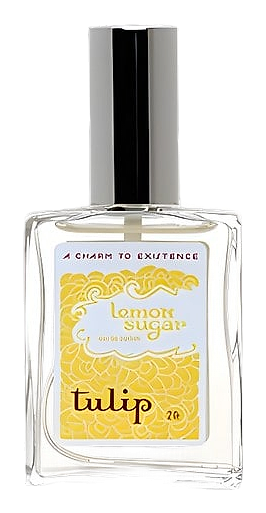
Victoria EnglandEngland gravitates toward bright, optimistic compositions where citrus and sweet accords anchor the structure. Her Lemon Sugar exemplifies this approach, finding equilibrium between effervescence and depth.