The Story
Why it exists.
The beginning
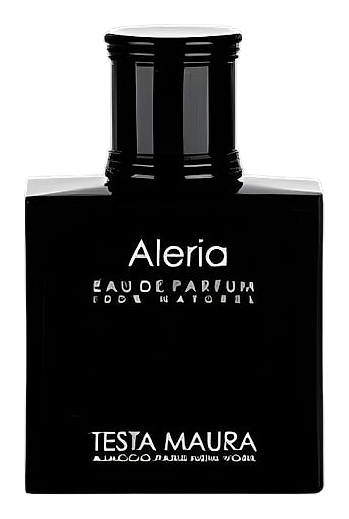
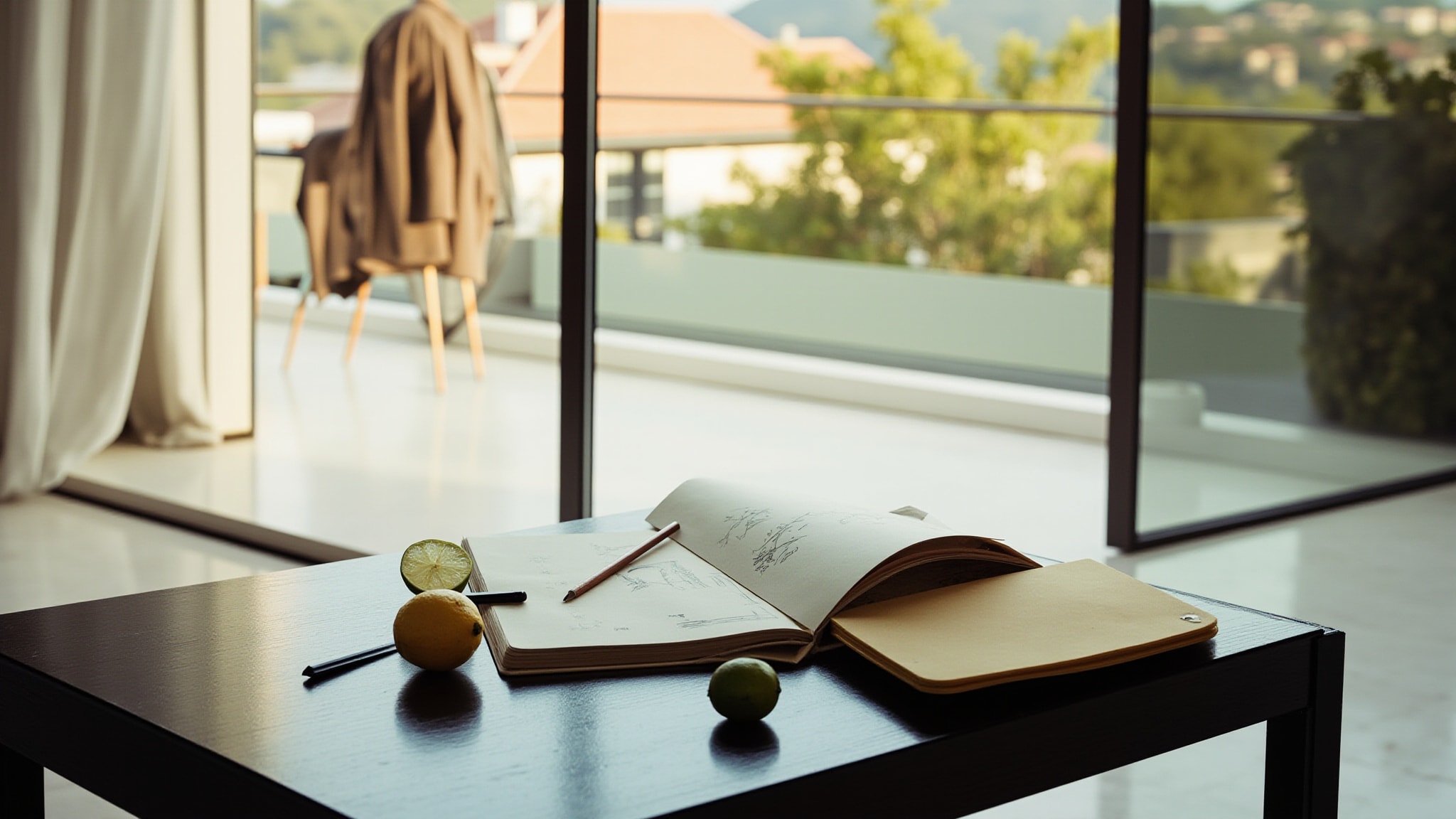
Aleria arrived in 2008 from Testa Maura. Xavier Torre composed it as a unisex citrus aromatic, built around lemon, lime, and mandarin orange before moving through myrtle and ylang-ylang into beeswax, cedar, sandalwood, and woody notes. The available history doesn't identify Aleria's specific namesake, leaving the listed composition as the clearest way to understand its character. Lemon and lime establish a bright opening, while mandarin orange lends a rounder, sweeter citrus accent. Myrtle brings a green, herbal note into the middle, and ylang-ylang adds a soft floral layer. Beneath them, beeswax lends a smooth, lightly waxy texture as cedar and sandalwood deepen into a dry, woody base. The overall impression is fresh at first, then increasingly tactile and grounded as the scent settles.
Aleria handles its freshness through several distinct layers. Lemon and lime create a brisk opening, joined by mandarin orange's rounder citrus profile. Together, they give the composition a lively start without placing every emphasis on sharp fruit. Myrtle introduces a green, herbal quality as the opening citrus begins to soften. Ylang-ylang contributes a floral, creamy accent that sits beside the greenery rather than taking over the composition. Beeswax then brings a smooth, lightly waxy texture, followed by cedar, sandalwood, and broader woody notes that form the base.
The evolution
Aleria begins with a quick lift of lemon, lime, and mandarin orange. The opening is clean and immediate, with a grassy edge that feels more herbaceous than sweet. Lemon and lime provide the clearest brightness, while mandarin orange rounds the citrus with a softer fruit impression. As the citrus loosens, myrtle moves into the center, giving the scent a leafy and slightly savory rhythm. Ylang-ylang adds a floral softness beside that herbal quality without becoming the dominant feature. Then the base comes forward: beeswax gives the drydown a smooth, waxy texture, while cedar, sandalwood, and woods make the final impression quieter and more grounded. On skin, the citrus is the first impression, followed by greenery and floral softness before the woody notes linger. Over time, Aleria shifts from a bright aromatic opening into a composed, tactile finish.
Cultural impact
Aleria expresses a clear fragrance idea through its listed notes and their changing relationships on skin. It opens with lemon, lime, and mandarin orange, moves through the green character of myrtle and the floral softness of ylang-ylang, then settles into beeswax, cedar, sandalwood, and woods. This progression gives the composition a recognizable arc: citrus brightness first, herbal detail next, and a quieter tactile finish later. Its cultural presence is therefore tied to the fragrance itself, with a concise structure that invites attention to each note as it emerges.
The House
Testa MauraTesta Maura is an Italian niche perfume house that emerged in the early 2000s. The brand focuses on small‑batch releases that blend Mediterranean botanicals with contemporary structure. Its catalogue lists five flagship scents launched in 2008 – Aqua Di Casta, Aleria, Carticasi, Mia Murza and Loriani – each named after a place or person that inspired the creator. Testa Maura positions itself as a laboratory for scent experiments rather than a commercial powerhouse, offering collectors a concise but distinctive portfolio.
The Creator
Xavier TorreXavier favors layered structures that start with a vivid top note and transition into a dense, amber‑rich base. He often pairs fresh berries with creamy musk, using high‑grade absolutes to preserve nuance.