The Story
Why it exists.
The beginning
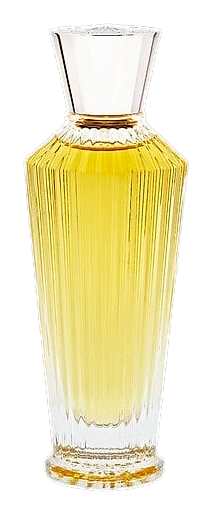
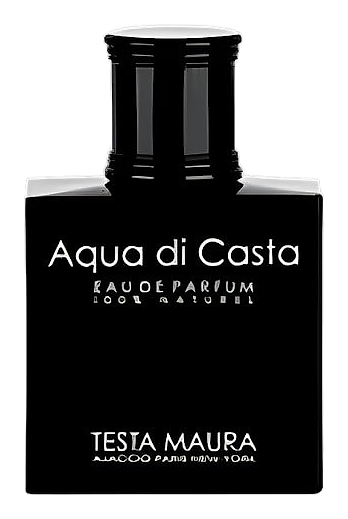
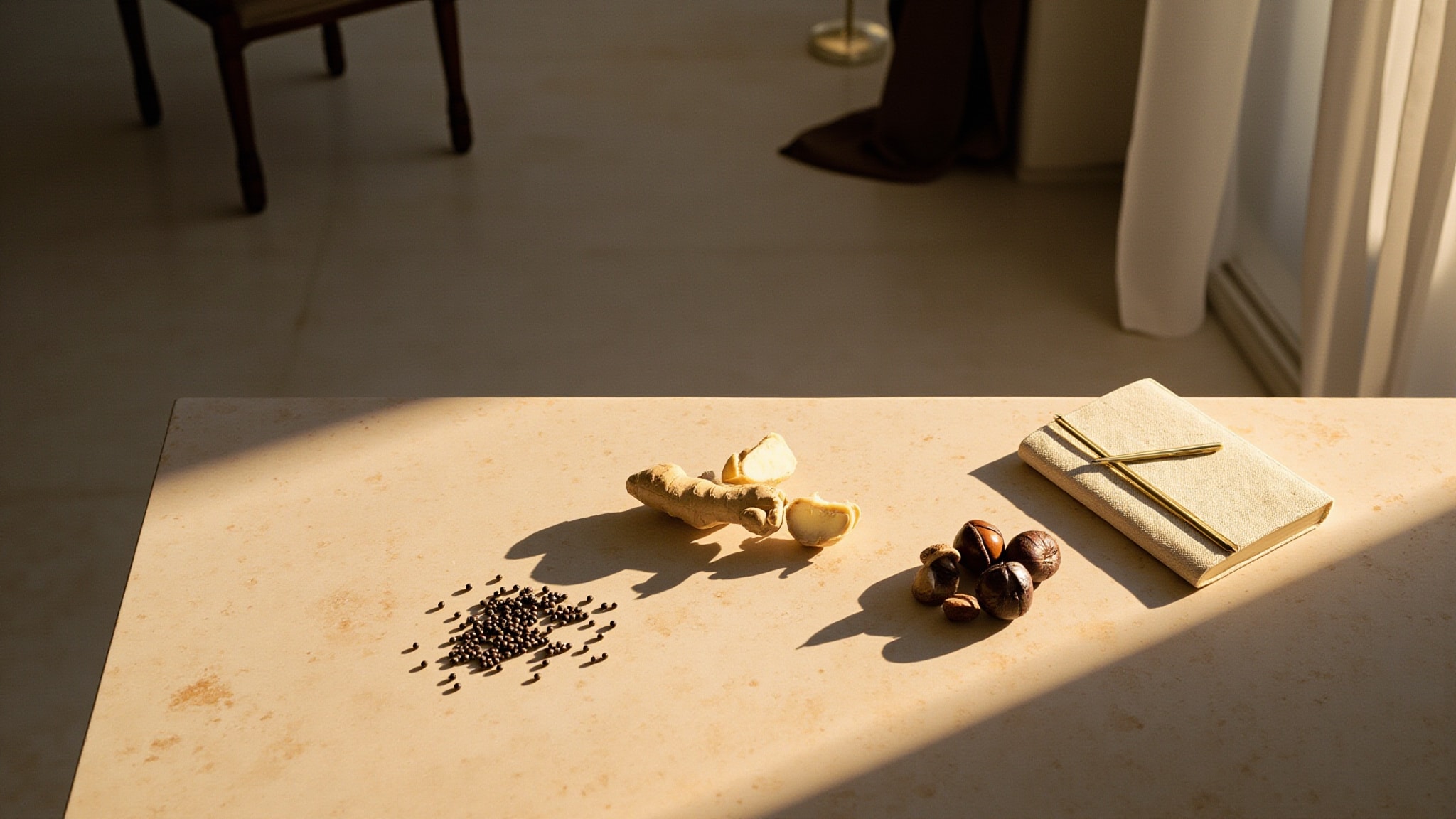
Aqua Di Casta draws on the chestnut, and the fragrance builds its identity around that single botanical thread. The composition opens with chestnut water as its core, a thematic anchor that runs beneath everything else in the bottle. Xavier Torre composed the formula, layering the chestnut against black pepper, ginger, and a woody base to capture the character of the nut and its tree without leaning into sweetness. The result reads more like a natural environment than a confection, closer to the raw material than to anything candied or processed. The ginger cuts cleanly through the top notes, while the cedar and vetiver ground the composition in something earthy and grounded.
The chestnut here reads watery and green, almost vegetal, grounded by vetiver and cedar rather than wrapped in sugar. Ylang-ylang adds a creamy floral undertone without making the composition feel edible. The ginger carries more weight than the pepper, giving the opening a clean heat instead of a sharp bite. Black pepper provides a dry, almost peppercorn-like crackle at the very top, but it recedes quickly, leaving the ginger to speak through the first phase of wear.
The evolution
The first thirty minutes belong to ginger, and it's not polite. The root note comes through slightly bitter, almost briny, with black pepper adding a dry crackle underneath. Cedar starts threading through early, which is unusual for a top-heavy opening, and it gives the whole first act a woody backbone that the heart never fully overwrites. By the one-hour mark, rose and ylang-ylang soften the spice without dominating it. The rose is faint, almost a suggestion, and the ylang brings a creamy warmth that bridges the gap to the base. From there, vetiver takes over. It rises through the composition with an almost effervescent quality, wet and mineral, and the chestnut water hums beneath it. The drydown is sandalwood, vetiver, and cedar, dry and persistent.
Cultural impact
Aqua Di Casta earns attention for what it leaves out. There's no vanilla, no caramel, no gourmand shading that would push the chestnut into dessert territory. The composition stays disciplined, and that discipline is what sets it apart from more familiar chestnut-themed work in the broader fragrance landscape. The ylang-ylang keeps the florals grounded rather than pretty, and the vetiver-cedar base keeps the whole thing in soil rather than sugar. Within Testa Maura's catalogue, Aqua Di Casta holds its own as one of the more austere compositions, a scent that rewards patience and close attention over immediate impact.