The Story
Why it exists.
The beginning
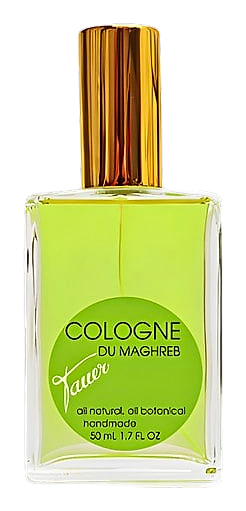
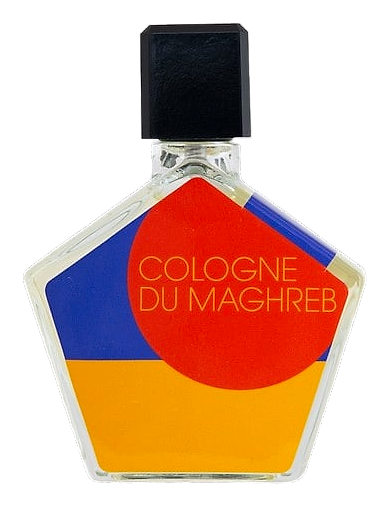
Cologne Du Maghreb draws from the crisp, clean structure Western perfumery has refined for centuries. Morocco provided the materials: cedar from the High Atlas mountains, vetiver from Java, and orange blossom absolute with a warmth that bordered on erotic. The composition explores how North African ingredients can transform a familiar European framework, taking the traditional cologne structure and infusing it with unexpected depth and sensuality. What emerges is a fragrance that honors its classic roots while feeling distinctly rooted in a different landscape.
What makes this different from a standard citrus cologne isn't the top, that's familiar territory, lemon and petitgrain doing what they've done for generations. The divergence happens in the heart, where orange blossom absolute meets neroli. This material carries both the bright floral quality of neroli and something deeper, almost waxy, that reads as warmth on skin. Combined with the Moroccan rose absolute, it creates a white floral presence that carries complexity and intimacy.
The evolution
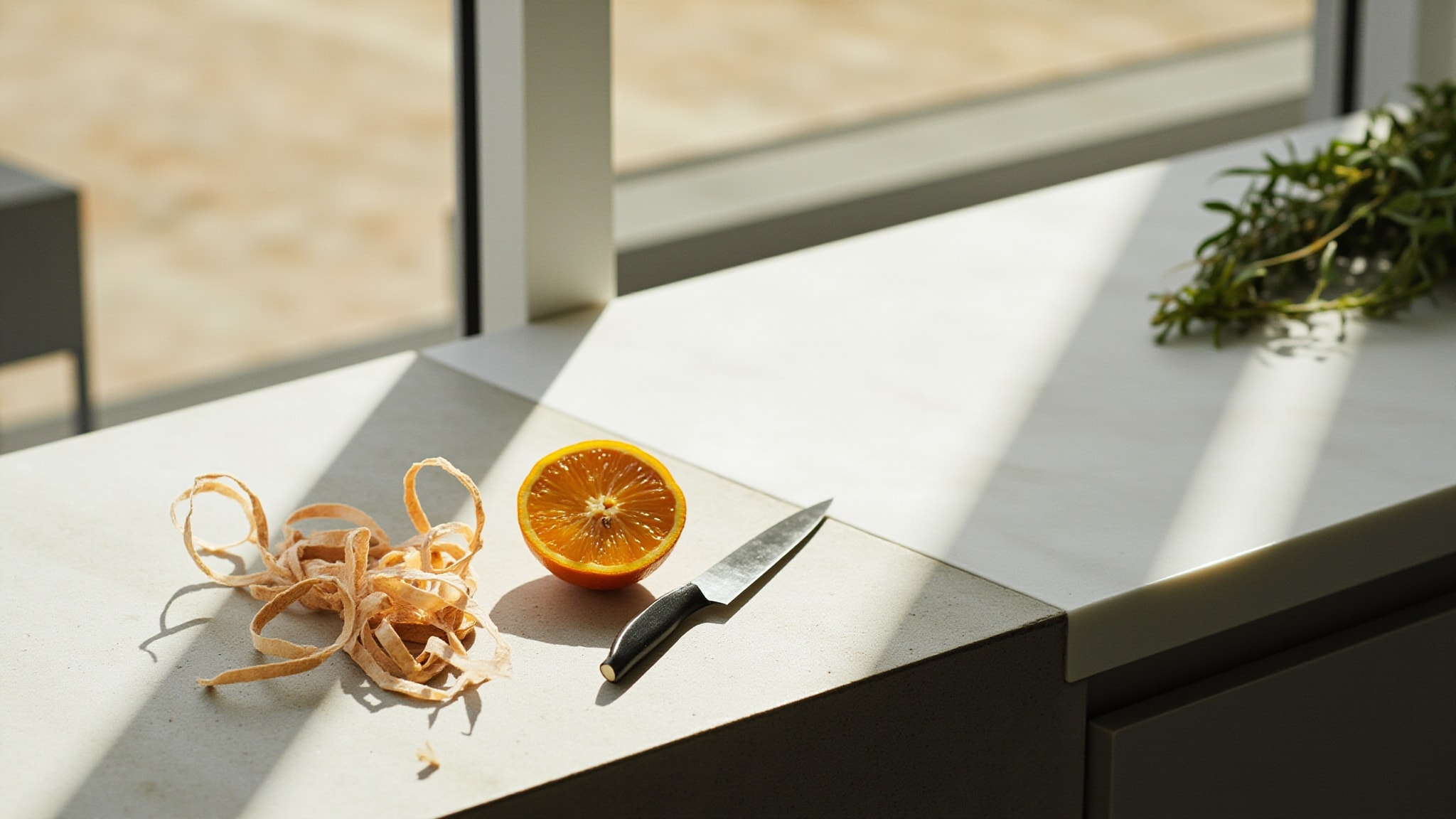
The opening arrives fast, lemon, clementine, a flash of grapefruit, then the green herbs arrive to sharpen everything into focus. Petitgrain and rosemary give it a Mediterranean quality, the smell of afternoon sun on citrus groves. The orange blossom absolute becomes more pronounced as the top notes soften. The brightness doesn't disappear, it deepens. The neroli and rose heart layer in quietly, keeping things floral but grounded. The cedar and vetiver absorb the citrus warmth rather than replacing it. The drydown reads as warm wood and faint labdanum, with the orange blossom still ghosting at the edges. The cedar persists on fabric well into the later hours. On skin, the fragrance maintains its presence through multiple stages of evolution.
Cultural impact
Cologne Du Maghreb draws from Moroccan aromatic traditions, incorporating Atlas cedar and orange blossom absolute. The fragrance references connections between North African aromatic materials and European perfumery. This release reflects an engagement with non-Western olfactory traditions, using specific materials to create a distinct scent profile.