
The Story
Why it exists.
The beginning
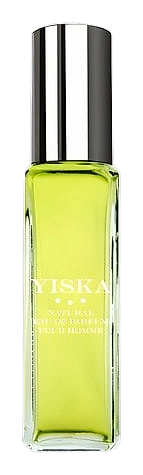
Yiska arrived in 2010, part of Tallulah Jane’s early expansion from the compact catalogue established after the house launched in New York City in 2009. The documented notes build the fragrance around contrast rather than spectacle. Grapefruit, lime, mint, and bergamot bring a brisk opening, while lavender, clary sage, and styrax introduce a greener, aromatic middle. The composition was described at release as bold and contemporary, with contemporary not meaning loud, but clean-edged and composed. No verified source explains the meaning of the name Yiska or ties it to a particular person or place, so that remains part of the house’s personal naming logic rather than a documented origin story.
What makes Yiska interesting is the handoff from bright citrus to dry woods. Grapefruit and lime can read as polished and obvious, but mint, lavender, and clary sage pull the opening toward a cooler, herbal register. Styrax adds a resinous shadow before tea and vetiver take over. Tonka bean keeps the base from becoming stark, leaving a trace of sweetness beneath the cedar. The result is aromatic without being soft, woody without becoming heavy.
The evolution
The first impression is immediate and clipped: grapefruit, lime, mint, and bergamot create a cool, citrusy edge with a clean herbal snap. That brightness soon makes room for lavender and clary sage, while styrax brings a darker, resinous texture into the middle. The composition then changes register again. Tea gives the drydown an elegant bitterness, vetiver adds an earthy pull, and cedarwood lays down a straight, polished line. Tonka bean remains quieter than the citrus, leaving just enough sweetness to round the edges. Over the usual 4-6 hour arc, the bright opening gives way to a composed tea-and-woods finish that feels best close to skin, like a tailored jacket after the first sip of coffee.
Cultural impact
Yiska sits within Tallulah Jane’s personal naming world of people, places, numbers, and botanicals. Its NYC indie identity makes sense in a personal, wearable way: fresh enough for daylight, composed enough for a gallery opening, and rooted in the house’s preference for ritual over spectacle. The documented language around its launch emphasizes contemporary citrus, subtle florals, woods, tea, and leather, placing it in a refined aromatic register rather than a loud novelty niche.