The Story
Why it exists.
The beginning
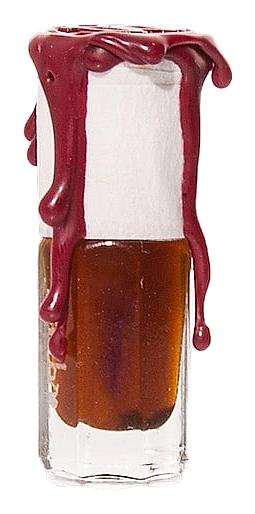
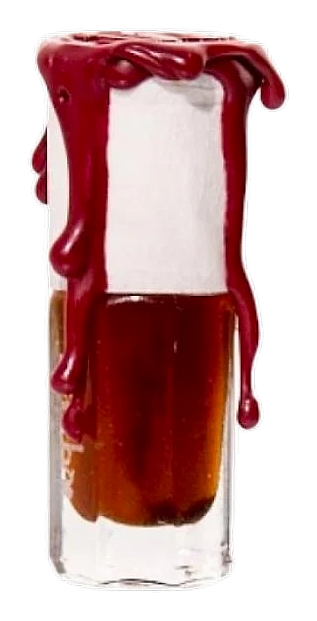
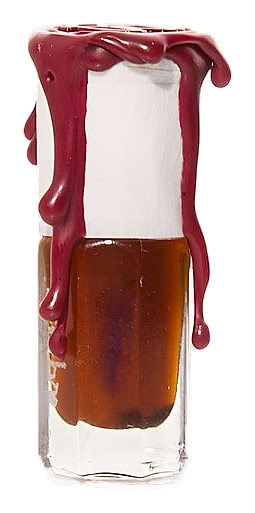
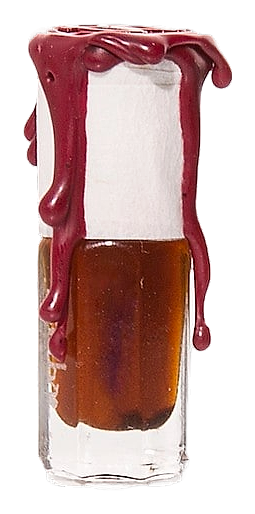
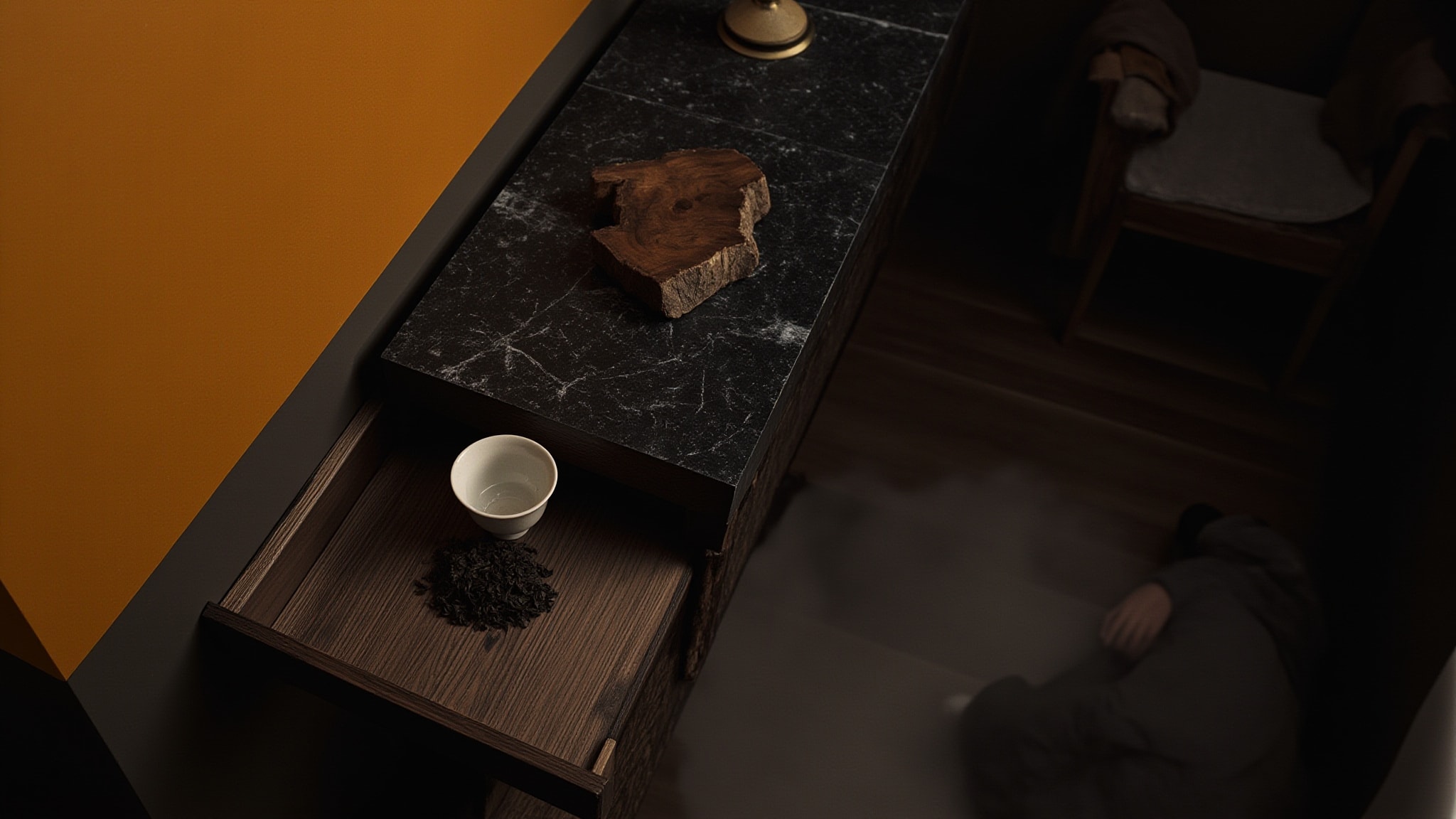
"Oud Douce Amère" means bitter oud made sweet, and the name is the whole brief. The bitter in the title isn't a warning. It's the point. This fragrance asks what happens when you stop trying to make oud palatable and simply let it be honest about what it is: resinous, animalic, and a little uncomfortable. The black tea absolute brings a fermented, slightly bitter note that gives the oud something to argue with rather than disappear into. Compositions that unfold differently on every wearer allow the bitter and sweet elements to interact in ways that feel specific to each person's chemistry, creating distinct impressions from skin to skin.
The black tea note is the hinge of the entire composition. In most oud fragrances, the wood is the star and everything else supports it. Here, the black tea doesn't support, it challenges. That slightly fermented, astringent quality cuts through the sweetness of the honey and damask rose in the heart, keeping the fragrance grounded in something bitter rather than letting it drift into easy warmth. The animalic base compounds this effect. Civet, castoreum, hyraceum add a raw, almost unsettling depth that gives the fragrance a different character.
The evolution
The opening is not gentle. Absinthe and clary sage hit first with an herbal bitterness that borders on medicinal, sharp, green. The Persian saffron arrives warm and slightly metallic, but it doesn't soften what came before. It complicates it. Within the first hour, the black tea begins to assert itself. The tea note is specific, not a green tea gentleness but something fermented, tannic, real. It reshapes the herbs into something more structured without removing them entirely. The damask rose and honey in the heart add sweetness, but the tea keeps the overall direction toward bitter. By hour three, the oud has settled and the base notes begin their slow reveal. Frankincense, labdanum, and cedarwood create warmth, but the animalics, civet, castoreum, hyraceum, keep things grounded in something raw. Leather and hay emerge as the drydown deepens, the black tea still present throughout.
Cultural impact
Among Sultan Pasha's more challenging compositions, an oud built around animalic honesty and a black tea note that refuses to smooth over the bitter edges. The sillage suits the attar tradition: present for the wearer, not necessarily for the room. For those who appreciate oud in its more unvarnished form.