
The Story
Why it exists.
The beginning
Liz Zorn made Violets & Rainwater out of a single, specific image: violets after the rain. Not the idea of them. The actual moment, when crushed petal and petrichor smell so similar the air can't tell them apart. The composition is an exercise in that confusion, built to hold two cold, green things together until they blur into one. Zorn treats each fragrance as a vignette, a small painting rendered in scent rather than pigment. This one is closer to a watercolor than an oil. Everything about it, from the bergamot-and-apple-juice opening to the labdanum warmth underneath, stays thin on purpose. The goal was never to fill a room.
The unusual move here is the soil tincture sitting in the heart alongside iris and aquatic notes. Most violet fragrances reach for rooty, sugary sweetness. Zorn goes the other direction, dragging the composition toward damp earth and mineral cold. The petrichor molecule does some of that work, but the soil tincture pushes harder, pulling genuine garden-mud texture into a category that usually sandpapers it away. Patchouli anchors the other end, light enough to stay cool but present enough to keep the whole thing from floating off into pure aquatic abstraction. It's a study in restraint. Every material that could make it loud has been diluted just enough to stay atmospheric.
The evolution
The opening hits fast and almost fizzy: bergamot and apple juice, bright and fleeting, gone in fifteen minutes. What replaces them is the main event. Violet leaf arrives with a metallic green edge, then the iris opens underneath it, powdery but cold rather than cosmetic. The soil tincture and aquatic notes arrive together, and for a stretch this smells less like a perfume and more like standing next to a puddle in a garden after the rain stops. There's an outdoor mineral quality that doesn't soften for the first hour. Patchouli works quietly through the heart, giving the whole thing a faint warm shadow that keeps it grounded. The transition into drydown happens somewhere around the three-hour mark. White musk and labdanum take over without fanfare. The violets and iris don't disappear entirely; they fade to a murmur underneath the musk. What lingers most is the cool mineral note, the petrichor ghost of rain on stone, still detectable on a sweater the next morning.
Cultural impact
Violets & Rainwater carries a profile that is powdery, earthy, and unmistakably aqueous without resorting to synthetic marine tropes. The violet leaf lends a cool, slightly metallic green at the top, while the base of labdanum and skin musk grounds the composition in something warmer and more resinous. On wear, the fragrance stays close to the body, projecting softly rather than filling a room, which makes it a natural pick for cooler weather or quieter settings. The apple and bergamot in the opening give it a brief, juicy lift before the green settles in, and the whole thing reads as restrained in a way that rewards repeated wearing.
The House
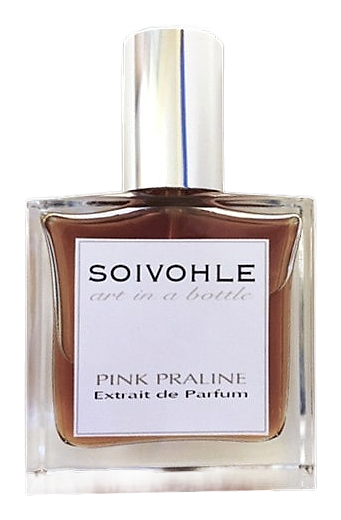
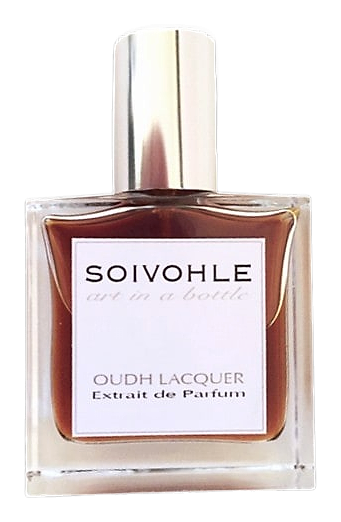
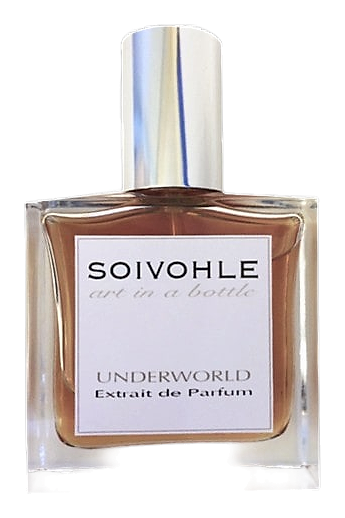
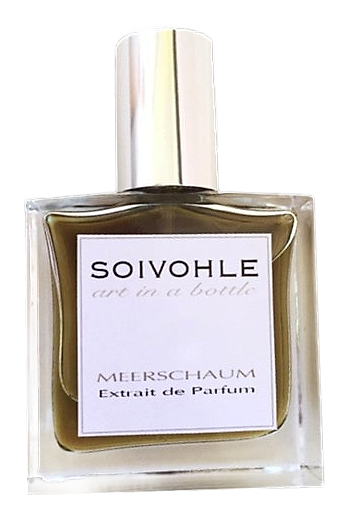
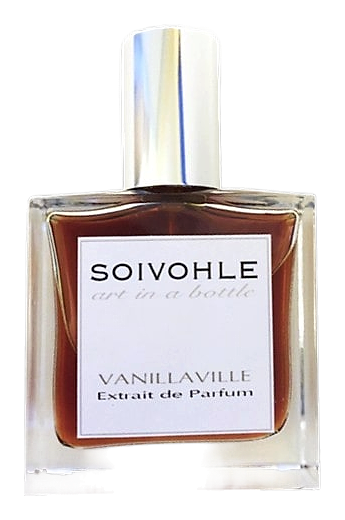
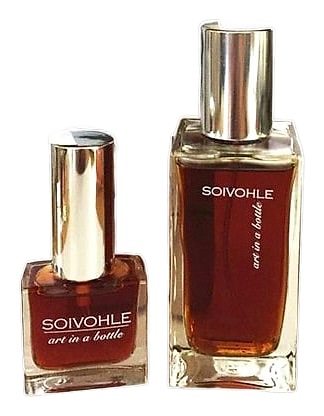
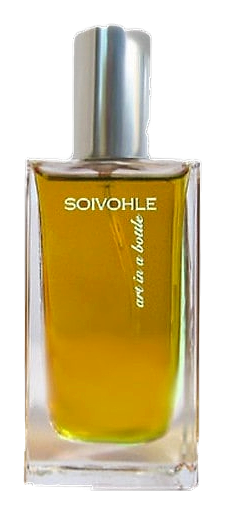
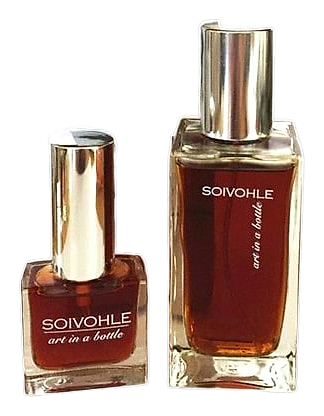
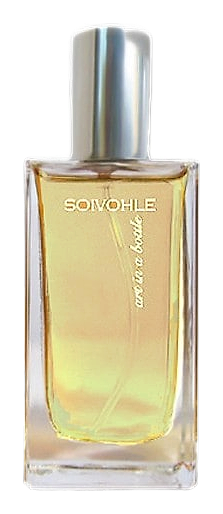
SoivohleSoivohle is an artisan perfume house founded by artist‑turned‑perfumer Liz Zorn. Since 2002 the brand has offered hand‑batched, botanical scents that are cruelty‑free and vegan. Each fragrance is presented as a small work of olfactory art, meant to be explored in intimate doses. Soivohle’s catalog includes titles such as A Rose For Beacon Free, Iris Underground (2017), and Green Oakmoss, each reflecting a balance of modern experimentation and traditional technique.
The Creator
Liz ZornZorn favors natural isolates and raw extracts, often sourcing ingredients from small farms or wild harvests. She builds fragrances in small glass vessels, allowing each addition to settle before the next, a method she describes as “painting with aroma.