Liz Zorn
Liz Zorn began her creative life with paint, collage, and found objects, earning a reputation in Australian art circles for daring mixed-media pieces. At fifteen she took a part-time job at a community newspaper, where a brief apprenticeship as a composition artist sparked an obsession with scent. By the early 1990s she turned that curiosity into olfactory installations, experimenting with raw botanicals and antique perfume manuals. The first bottles she pressed carried the same improvisational spirit as her visual work, and word spread among a small network of collectors. In 2005 she launched the independent label SOIVOHLE, giving her a platform to release fully realized fragrances such as the rose-centric Sinti and the mineral-bright Misetu. Today she balances studio practice, teaching, and a modest production line, all while keeping the process hands-on and experimental.
The hits
Notable creations
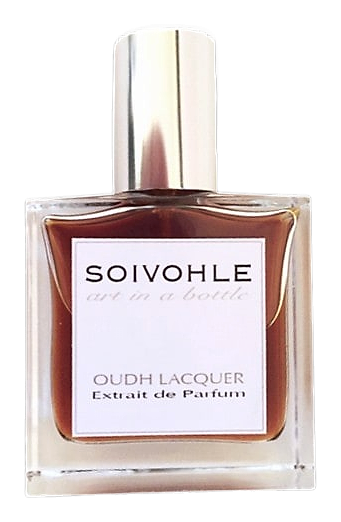
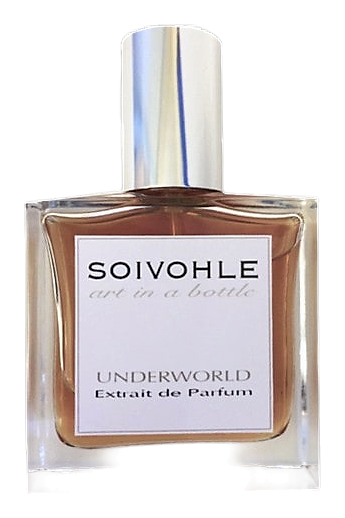
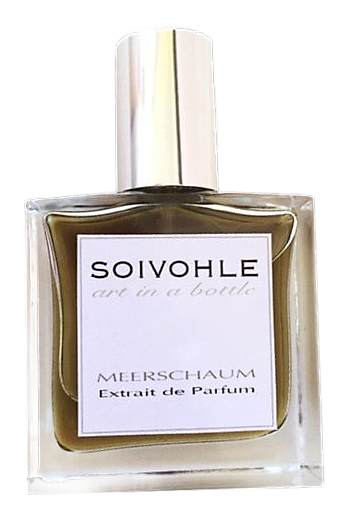
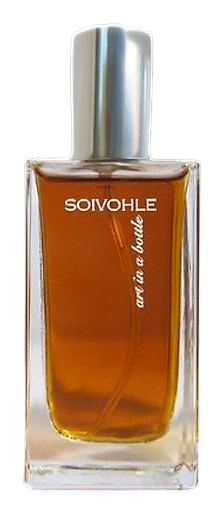
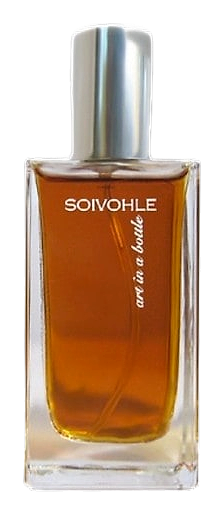
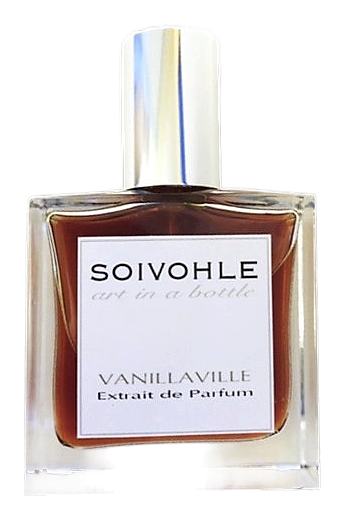
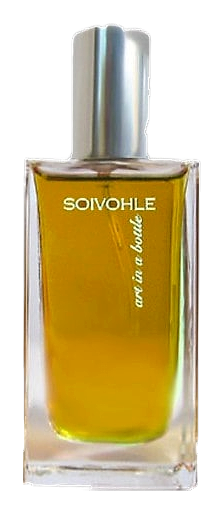
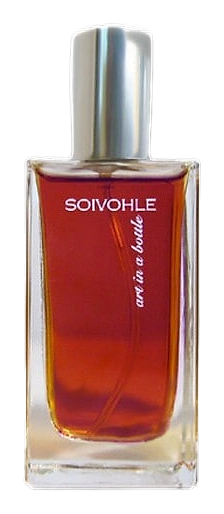
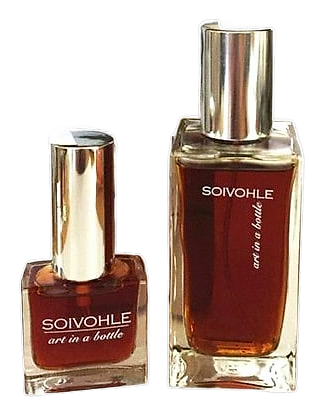
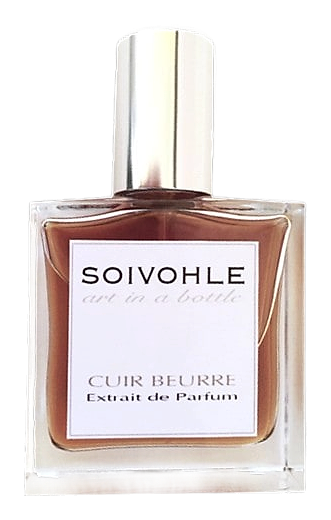
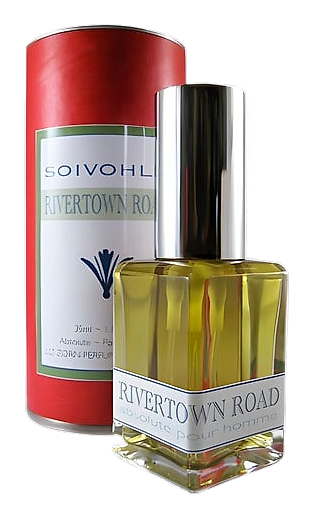
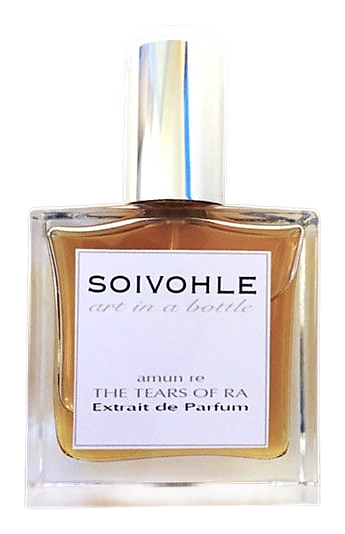
The signature
How Liz composes
Zorn favors natural isolates and raw extracts, often sourcing ingredients from small farms or wild harvests. She builds fragrances in small glass vessels, allowing each addition to settle before the next, a method she describes as “painting with aroma.” Common notes in her palette include rose centifolia, Turkish rose, labdanum, and mineral salts, paired with unexpected touches of smoked pine or seaweed tincture. She avoids synthetic accords unless they serve a conceptual purpose, preferring the unpredictability of botanical chemistry. Her signatures are dense, tactile compositions that change subtly with skin temperature, inviting the wearer to explore texture as much as scent.
Philosophy
What drives Liz
Zorn treats scent as a material as tangible as canvas or metal. She reads old perfume texts like recipe books, then tears them apart, keeping only fragments that speak to her intuition. Her work rejects strict genre labels; she mixes resinous woods with fresh greens, layers animalic accords beside citrus bursts, and lets the blend evolve in the bottle as it would on a gallery wall. The driving force behind each creation is a desire to make the invisible visible, to give a scent the same narrative weight she gives a sculpture. She believes a perfume should provoke the same questioning glance she seeks from viewers of her art.
The houses