
The Story
Why it exists.
The beginning
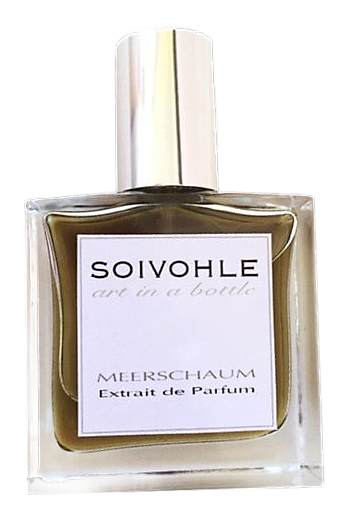
Liz Zorn grew up around her grandfather's collection of meerschaum pipes, intricately carved, each one taking on warmth and color with use. Meerschaum started white. Years of handling turned it deep, amber, alive. When she came to make this fragrance, she reached for that transformation. Not the smoke, the aging. The way something mineral and cool becomes warm and complex. The name isn't a metaphor. It's a family object, worn smooth by decades of touch, and she wanted to capture that same arc on skin.
Tobacco absolute is the dominant material here, but it's not the sweet, vanillic tobacco of the blender's comfort zone. This is herbal tobacco, the kind that arrives bitter and full before it softens. Chamomile reinforces that, not the calming chamomile of tea, but the wild, slightly medicinal kind. The oakmoss isn't decorative. It provides the earth the tobacco grows in, the forest floor the pipe was carved from. The green tea and green apple in the opening aren't there for freshness. They're the cool mineral of unsmoked meerschaum, white, dense, quiet. The composition earns its complexity by not resolving too early.
The evolution
The opening hits like cool water on warm stone. Green apple, green tea, birch, sharp and clean, with a medicinal bite from the chamomile that doesn't apologize for itself. Forty minutes in, the green doesn't disappear. It deepens. The tobacco arrives not as a whisper but as a declaration, herbal and bold, wrapped in oakmoss and amber that add a dark, almost leathery warmth. The cedar isn't subtle at this point either. It arrives dry, pencil-shaving clean, cutting through the richness. By hour three, the base takes over, benzoin's resinous sweetness, vanilla and tonka bean softening everything, patchouli adding its earthy depth. The tobacco is still there. The oakmoss is still there. They linger into the drydown like an afterthought that refuses to leave. Eight to ten hours, intimate sillage, a fragrance that stays close but never lets go.
Cultural impact
Meerschaum by Soivohle represents Liz Zorn's early botanical exploration from 2010, a period when indie perfumery was gaining traction as an alternative to commercial fragrance houses. The name references meerschaum, a white mineral used historically for pipe bowls, connecting directly to tobacco's cultural heritage. As a hand-batched extrait de parfum from a fine artist turned perfumer, Meerschaum embodies the artisan movement's emphasis on craft, complexity, and personal expression over market trends. Its herbal-tobacco profile reflects a particular moment in niche perfumery when complexity and longevity were prioritized over mass appeal, appealing to collectors who sought distinctive compositions over blockbuster releases.