The Story
Why it exists.
The beginning
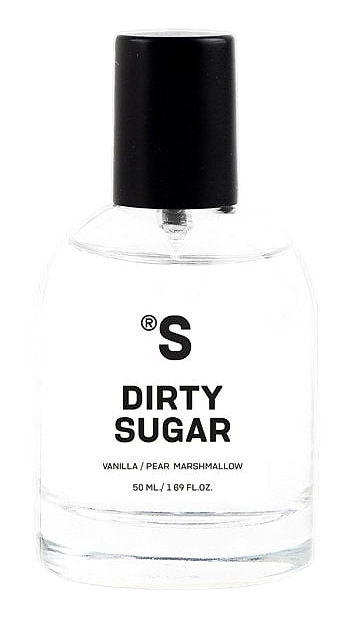
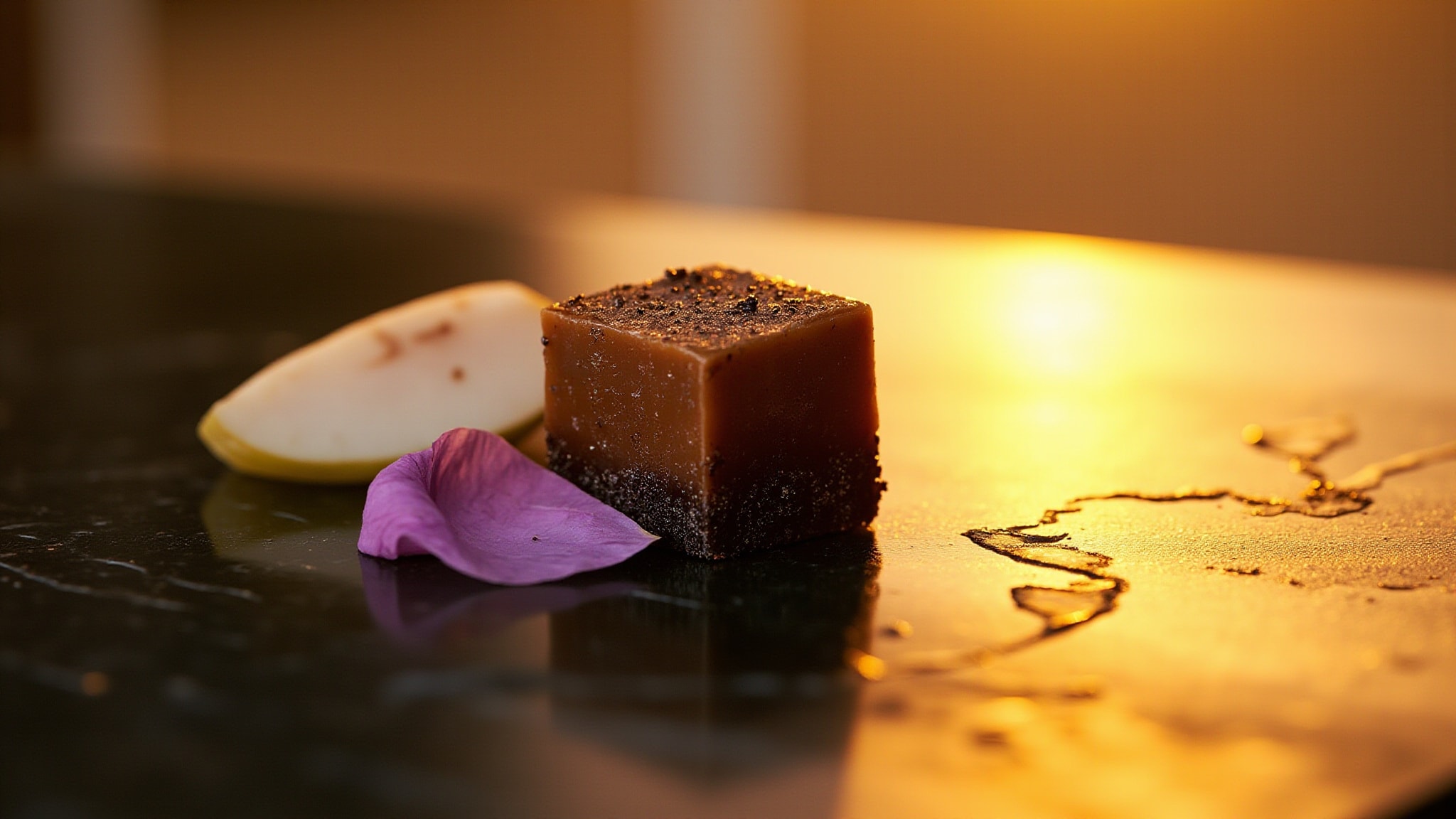
Dirty Sugar arrived in 2025 from Sister's Aroma, and the name tells you everything and nothing. Sugar, yes, but the dirty in front of it shifts the whole frame, suggesting something sweet that refuses to stay clean. The word pair pulls you in before you even crack the bottle, promising a contradiction you can almost taste. Dirty Sugar fits that tension without spelling it out. The gourmand structure feels familiar territory, but here the sweetness carries a shadow you don't see coming from the first spritz. Vanilla, caramel, and marshmallow read soft at first glance, the opening you'd expect from anything wearing the word sugar on its chest. Yet the base lands on patchouli and woody notes that ground everything in something more deliberate, more grown-up.
The composition works because it balances two instincts that usually cancel each other out. The top half opens with pear and violet, marshmallow and vanilla, layering textures that recall patisserie and childhood. Then labdanum and ylang-ylang arrive in the heart, pulling the scent toward something resinous and floral, almost grown. By the time patchouli and tonka bean settle into the base, the sugar has stopped being innocent. What makes Dirty Sugar worth attention is the tonal shift between layers. The opening offers nostalgia, the middle introduces tension, and the base closes with drydown that lingers. Sister's Aroma didn't just stack sweet notes. They built a progression from comfort to character.
The evolution
The first 20 minutes belong to marshmallow and pear, soft and almost edible, with violet threading underneath like powdered sugar through linen. It reads pretty, gentle, the kind of opening you expect from a gourmand, the comfort-food moment you signed up for. Then the caramel and jasmine arrive together, and the texture thickens. Labdanum adds a warm, almost resinous grip, while ylang-ylang deepens the floral into something more tropical and less innocent, the sweetness tilting sideways. By the two-hour mark, the sugar has receded enough that the patchouli becomes the loudest voice in the room. Tonka bean rounds it out with a soft, spiced warmth, and the woody notes ground everything into a drydown that clings to skin and fabric. You notice the shift without chasing it, the way the fluffy opening compresses into something denser, more grown-up, closer to skin.
Cultural impact
Dirty Sugar earns its place through the contrast in its base, where patchouli anchors a gourmand that could otherwise drift into pure dessert territory. The sweetness comes wrapped in shadow, and that combination sets it apart from compositions that refuse to complicate their own sugar. What makes it land is the balance: it never tips fully into the dark, and it never settles for simple pretty. Vanilla and tonka persist through the drydown, but the patchouli keeps the whole structure honest, giving the comfort-food accord a backbone it didn't ask for.