The Story
Why it exists.
The beginning
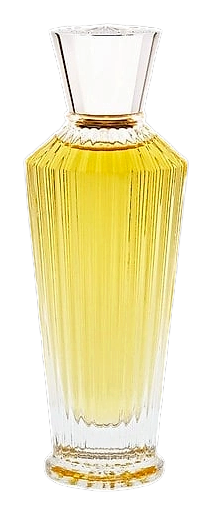
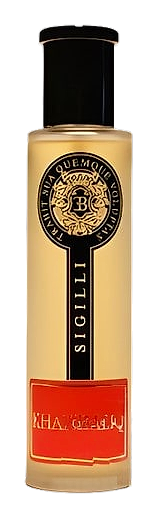
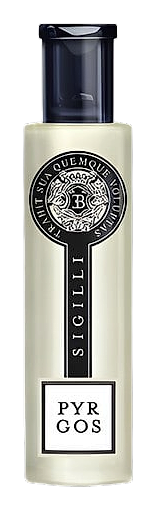
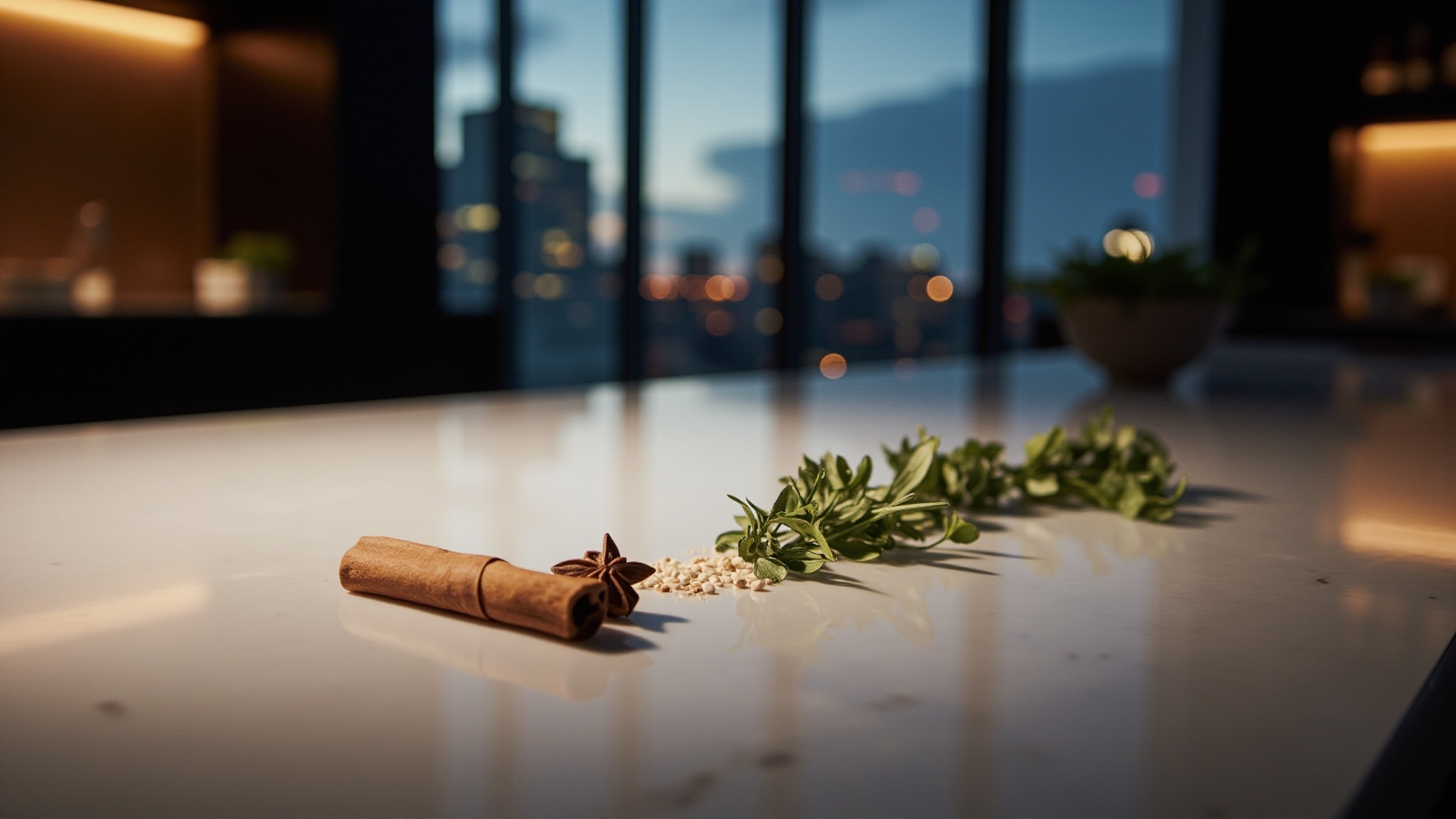
Pyrgos takes its name from the ancient harbor on Cyprus, once a busy port for the trade of essential oils across the Mediterranean. Archaeological work at the site recovered askos and amphorae that held not single essences but blends, residues of cinnamon, lavender, bergamot, oregano, anise and fennel mingling inside the same vessel. Those recovered materials form the aromatic map for Pyrgos: green and herbaceous at first, warmly spiced through the center, then gently aromatic in the drydown. Enrico Buccella composed this fragrance in 2011, building the formula around what the ancient containers once carried. On skin, lavender and watercress create a fresh, lightly herbal opening.
What makes Pyrgos unusual is how literal it takes its source material. Its structure follows a tightly defined set of materials: watercress and lavender at the opening, anise, oregano and cinnamon at the heart, and spice in the base. The oregano is the surprise. Positioned in the middle of the pyramid, it brings a strongly herbal, slightly earthy character that shapes the composition from the beginning. Watercress keeps the opening green and fresh, while lavender softens that brightness with a clean floral note.
The evolution
The first fifteen minutes are sharp. Watercress and bergamot read almost vegetable-cool, a bit peppery, and the lavender underneath adds that clean barbershop sheen. Bergamot lifts the whole thing before it has time to feel academic. Around the thirty-minute mark the anise arrives, sweet and slightly licorice-edged, and the oregano arrives with it, bringing an herbal savor that smells closer to a kitchen garden than a cologne counter. By the two-hour mark the cinnamon has settled in fully and the green opening is mostly memory. The drydown is warm spice on skin, a low simmering quality, and it stays soft for the remaining four to six hours. On fabric the next morning it reads faintly woody and faintly sweet, the ghost of bergamot still detectable if you press your nose to it.
Cultural impact
Pyrgos occupies a distinctive corner of the aromatic-spicy category, with oregano and anise doing much of the work. One enthusiasts reviewer compares it with Geranium Pour Monsieur and Esprit du Tigre, placing its character in herbaceous, Mediterranean and slightly austere terms. The comparison highlights Pyrgos's garden-like emphasis: watercress and lavender provide a fresh opening, while oregano, anise and cinnamon create a drier, more tactile center. On skin, the fragrance moves from green herbs and restrained citrus toward warm spice, maintaining an aromatic clarity as it settles.
The House
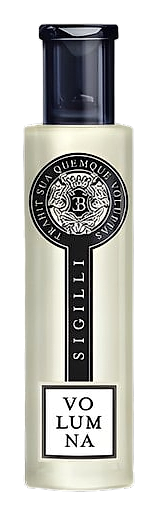
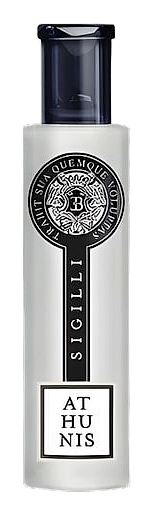
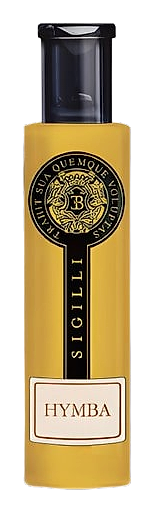
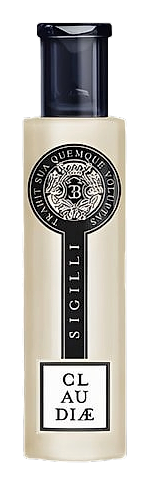
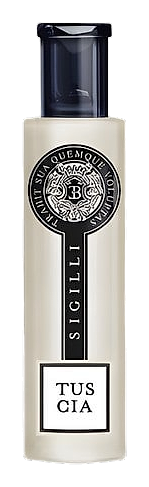
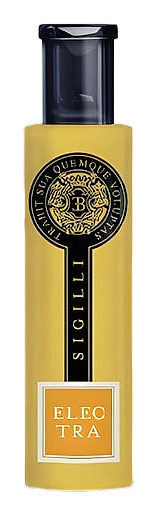
SigilliSigilli is an Italian niche fragrance house recognized for its collection of artisanal perfumes launched in the year 2000. The brand takes its name from the Italian word for seals, evoking imagery of antiquity, secrecy, and the ritual of preservation. Sigilli distinguishes itself through a portfolio of fragrances bearing names drawn from historical geography and classical antiquity, including Tuscia, Electra, Thu, Athunis, Hesperia, Asprosa, Volumna, and Claudiae. The house occupies a distinctive position in the niche fragrance landscape, offering scents that reference Celtic, Roman, and Italian geographical and mythological heritage. With its output spanning from 2000 through 2012, Sigilli represents a deliberate, measured approach to perfumery that prioritizes substance over volume. The brand appeals to fragrance collectors and enthusiasts seeking scents grounded in historical nomenclature and cultural memory.
The Creator
Enrico BuccellaBuccella’s signature technique blends bright top notes with a creamy heart and a lingering base that often features vanilla, amber, or orris. He layers fruit such as banana, pineapple, or berries over a veil of milky accords, then anchors the composition with vetiver, sandalwo…