
The Story
Why it exists.
The beginning
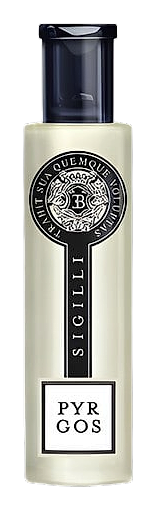
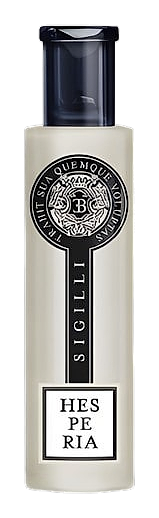
Hesperia was released in 2011. Its name reaches back to the Greek term for the western lands, an expression associated in the sources with the area encompassing Italy and Spain, as well as the evening or the place where the sun sinks. That double sense gives the name a quiet charge: western, descending, and edged in the idea of dusk. Enrico Buccella composed Hesperia, which is built around citrus, floral, spicy, slightly smoky, and woody facets. The name gives the fragrance its atmosphere, but the composition is what makes the idea tangible. Rather than illustrating a literal landscape, Hesperia places familiar materials beside one another with a measured, editorial restraint.
What makes Hesperia unusual is the way it handles its citrus. The listed notes place lemon at the top, but they do not reduce the composition to a single bright impression. Bay leaf introduces a darker companion to that citrus, while the floral notes give the middle a more layered character. Carnation contributes warmth, orange blossom brings a contrasting floral register, and violet adds another soft, distinct texture within the heart. Together with the fragrance's spicy and slightly smoky profile, these materials keep the opening from reading as uncomplicated freshness.
The evolution
Hesperia's note structure begins with citrus at the top and moves through a heart of carnation, orange blossom, bay leaf, and violet before reaching its woody base. The available information describes the fragrance as spicy and slightly smoky, qualities that give the listed materials a more complex character than a simple citrus-and-flower reading would suggest. Lemon provides the opening emphasis, while bay leaf gives the composition a darker counterpoint. The heart notes broaden that structure through several kinds of floral and herbal expression, each contributing its own distinct register rather than relying on a single blended effect. Beneath them, the woody notes establish a grounded foundation. Without verified information about the stages of wear, it is best to read Hesperia through this architecture: citrus over heart notes, with a woody base completing the design.
Cultural impact
Hesperia is an Italian fragrance released by Sigilli in 2011, with Enrico Buccella credited as its nose. Its cultural interest begins with the name, which draws on the Greek term for the western lands and carries associations with Italy and Spain, the evening, and the setting of the sun. That layered meaning gives the release a distinctive conceptual frame while leaving its materials to speak for themselves. The note pyramid combines citrus at the top with carnation, orange blossom, bay leaf, and violet at the heart, followed by woody notes in the base.
The House
SigilliSigilli is an Italian niche fragrance house recognized for its collection of artisanal perfumes launched in the year 2000. The brand takes its name from the Italian word for seals, evoking imagery of antiquity, secrecy, and the ritual of preservation. Sigilli distinguishes itself through a portfolio of fragrances bearing names drawn from historical geography and classical antiquity, including Tuscia, Electra, Thu, Athunis, Hesperia, Asprosa, Volumna, and Claudiae. The house occupies a distinctive position in the niche fragrance landscape, offering scents that reference Celtic, Roman, and Italian geographical and mythological heritage. With its output spanning from 2000 through 2012, Sigilli represents a deliberate, measured approach to perfumery that prioritizes substance over volume. The brand appeals to fragrance collectors and enthusiasts seeking scents grounded in historical nomenclature and cultural memory.
The Creator
Enrico BuccellaBuccella’s signature technique blends bright top notes with a creamy heart and a lingering base that often features vanilla, amber, or orris. He layers fruit such as banana, pineapple, or berries over a veil of milky accords, then anchors the composition with vetiver, sandalwo…