
    Home/Brands/Sigilli
    Brand Profile

    Sigilli

    Sigilli is an Italian niche fragrance house recognized for its collection of artisanal perfumes launched in the year 2000. The brand takes its name from the Italian word for seals, evoking imagery of antiquity, secrecy, and the ritual of preservation. Sigilli distinguishes itself through a portfolio of fragrances bearing names drawn from historical geography and classical antiquity, including Tuscia, Electra, Thu, Athunis, Hesperia, Asprosa, Volumna, and Claudiae. The house occupies a distinctive position in the niche fragrance landscape, offering scents that reference Celtic, Roman, and Italian geographical and mythological heritage. With its output spanning from 2000 through 2012, Sigilli represents a deliberate, measured approach to perfumery that prioritizes substance over volume. The brand appeals to fragrance collectors and enthusiasts seeking scents grounded in historical nomenclature and cultural memory.

    ItalyEst. 2000
    4
    Fragrances
    4.3
    Avg rating
    Shop the collection
    SignatureVolumna
    Volumna
    EDP
    Community
    4.3
    Average rating
    across 4 fragrances
    Collection
    4
    Fragrances and counting
    Heritage
    2000
    Founded in Italy

    Most loved

    Bestsellers from Sigilli

    Volumna by Sigilli
    Sigilli
    Volumna
    3.7
    Compare prices
    Athunis by Sigilli
    Sigilli
    Athunis
    4.3
    Compare prices
    Hymba by Sigilli
    Sigilli
    Hymba
    4.3
    Compare prices
    Claudiae by Sigilli
    Sigilli
    Claudiae
    4.7
    Compare prices
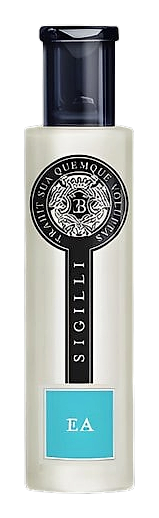
    Coming soonEa by Sigilli
    Sigilli
    Ea
    3.3
    Coming soon
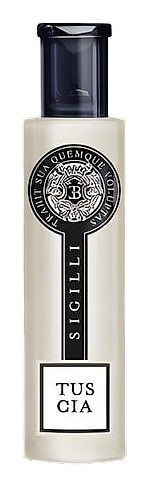
    Coming soonTuscia by Sigilli
    Sigilli
    Tuscia
    4.6
    Coming soon
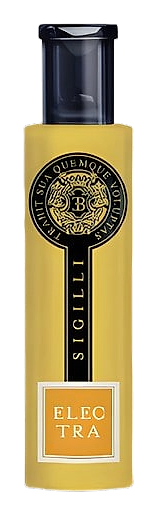
    Coming soonElectra by Sigilli
    Sigilli
    Electra
    4.3
    Coming soon
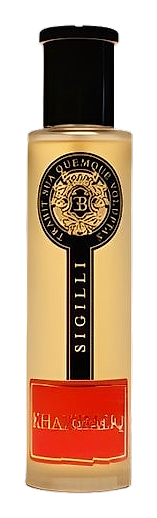
    Coming soonKhanbaliq by Sigilli
    Sigilli
    Khanbaliq
    3.8
    Coming soon
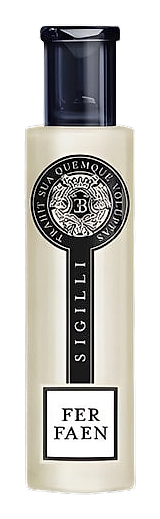
    Coming soonFerfaen by Sigilli
    Sigilli
    Ferfaen
    4.1
    Coming soon
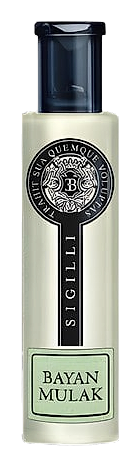
    Coming soonBayan Mulak by Sigilli
    Sigilli
    Bayan Mulak
    3.1
    Coming soon
    Coming soonPyrgos by Sigilli
    Sigilli
    Pyrgos
    3.9
    Coming soon
    Coming soonTyrsenoi by Sigilli
    Sigilli
    Tyrsenoi
    2.8
    Coming soon

    Fresh in

    New from the house

    Hymba by Sigilli
    Sigilli
    Hymba
    4.3
    Compare prices
    Volumna by Sigilli
    Sigilli
    Volumna
    3.7
    Compare prices
    Athunis by Sigilli
    Sigilli
    Athunis
    4.3
    Compare prices
    Claudiae by Sigilli
    Sigilli
    Claudiae
    4.7
    Compare prices
    Coming soonKhanbaliq by Sigilli
    Sigilli
    Khanbaliq
    3.8
    Coming soon
    Coming soonBayan Mulak by Sigilli
    Sigilli
    Bayan Mulak
    3.1
    Coming soon
    Coming soonElectra by Sigilli
    Sigilli
    Electra
    4.3
    Coming soon
    Coming soonPyrgos by Sigilli
    Sigilli
    Pyrgos
    3.9
    Coming soon
    Coming soonEa by Sigilli
    Sigilli
    Ea
    3.3
    Coming soon
    Coming soonTuscia by Sigilli
    Sigilli
    Tuscia
    4.6
    Coming soon
    Coming soonFerfaen by Sigilli
    Sigilli
    Ferfaen
    4.1
    Coming soon
    Coming soonTyrsenoi by Sigilli
    Sigilli
    Tyrsenoi
    2.8
    Coming soon

    Heritage

    A house, in its own words

    The origins of Sigilli trace to the year 2000, when the brand emerged with an initial collection of eight fragrances unveiled simultaneously. This launch strategy, presenting a full catalog at once rather than building incrementally, signaled ambition and a fully-formed creative vision from the outset. The founding figures behind Sigilli chose to anchor their work in names carrying historical weight. Tuscia refers to the ancient name for a region in central Italy encompassing parts of what is now Lazio and Tuscany, a territory with deep Etruscan roots. Claudiae honors a Roman gens, the powerful Claudii family whose members shaped Republican Rome. Volumna likely references the Voltumna, the chief deity of the Etruscan pantheon and the subject of an annual league of Etruscan cities. Athunis appears to draw from Celtic or pre-Roman Italian linguistic traditions. This naming approach suggests the founders possessed strong interests in classical studies, archaeology, or Italian regional history. The brand maintained its creative output through subsequent years, releasing Electra in 2011 and Hymba in 2012, demonstrating continued activity more than a decade after its founding. While public documentation about the founders remains limited, the brand's consistent thematic focus on historical nomenclature indicates a coherent intellectual project underlying its existence. Sigilli occupies a particular niche, neither pursuing the aggressive commercial expansion common among major fragrance houses nor the celebrity-driven marketing strategies of designer brands. Instead, it represents a small-scale, perhaps academic approach to perfumery where the conceptual framework matters as much as the olfactory result.

    Sigilli approaches fragrance creation as an act of historical reimagination. Rather than chasing trend-driven scent profiles or marketability, the brand selects names for its perfumes before developing the corresponding olfactory compositions, effectively working backward from concept to sensory reality. This inverted methodology suggests the brand views each fragrance as an interpretation of its namesake rather than a product bearing a decorative label. When Electra entered the lineup in 2011, the choice aligned with Greek mythological tradition, continuing the pattern established at the founding. Hymba, released in 2012, breaks slightly from the geographical and mythological pattern of earlier releases, suggesting continued experimentation with naming conventions. The decision to reference historical figures, ancient regions, and mythological characters implies a philosophy that fragrance should carry intellectual and emotional resonance beyond its aromatic compounds. Sigilli appears to operate on the premise that a scent named Claudiae should evoke something of Roman history for its wearer, creating an experiential layer that transcends ingredients and craftsmanship. This approach positions Sigilli as a house that addresses the educated fragrance enthusiast, one who may appreciate the layers of meaning embedded in a perfume's identity. The relatively small output over more than a decade indicates a philosophy of selectivity over saturation, with each new release treated as a significant event rather than a routine addition to a catalog.

    2000
    Sigilli launches with eight fragrances including Tuscia, Thu, Athunis, Hesperia, Asprosa, Ferfaen, Volumna, and Claudiae
    2011
    Electra joins the Sigilli collection, expanding the brand's mythological and historical naming theme
    2012
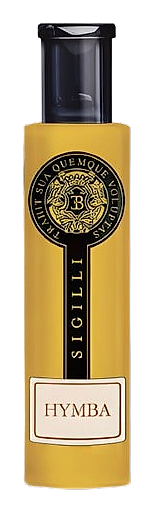
    Hymba is released, continuing the brand's pattern of measured, infrequent additions to its catalog

    The noses

    Perfumers behind the house

    Did you know?

    Interesting facts

    01

    The name Sigilli means seals in Italian, referencing the historical practice of using wax seals to authenticate documents and correspondence

    02

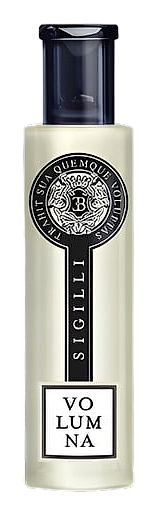
    Volumna derives from Voltumna, the chief deity of the Etruscan civilization and the focus of an annual federal gathering of Etruscan cities

    03

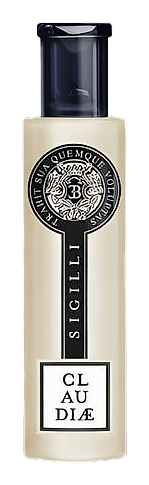
    Claudiae references the gens Claudia, one of the oldest and most influential patrician families in Roman history

    04

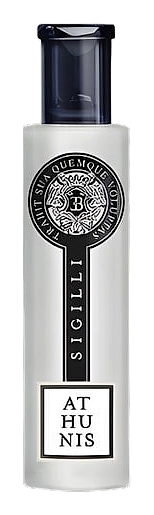
    Athunis appears to draw from pre-Roman Celtic or Italic linguistic sources, suggesting research into ancient Italian cultures beyond Rome