
The Story
Why it exists.
The beginning
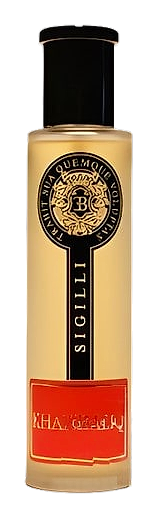
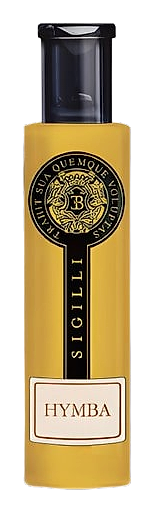
Hymba takes its name from a semi-nomadic people living in the deserts of northern Namibia, the Himba. Their lives are shaped by the conditions of the region, ritual practices, and a relationship with the land. Among the Himba, a particular resin called Omumbiri is significant. Drawn from a plant native to that region, it gets mixed with butter and red earth and applied to the body, transforming skin into something bronze, something sculptural, something that carries a scent both milky and ancient. Perfumer Enrico Buccella encountered this practice and couldn't let it go. He sourced the Omumbiri resin directly, bringing it into his laboratory where he transformed it into a resinoid.
The opening of Hymba presents myrtle and citrus, a combination that reads with clarity and definition. Fresh, bright, with an herbal quality that cuts through. But the heart that follows belongs somewhere else entirely: milk, vanilla, and the Omumbiri resin arriving with a warmth that develops beneath the initial brightness. The fragrance evolves through distinct phases. By the time the base notes arrive, the character has shifted considerably. The birch adds a subtle smoked quality that remains restrained. The ambergris provides an anchoring depth that complements without overwhelming.
The evolution
Hymba opens on a cool note, myrtle's herbal sharpness present alongside the citrus. It smells clean and defined during the initial phase. Then the warmth begins to develop. The milk and vanilla arrive, creamy and warm, grounded by the Omumbiri resin. The myrtle remains present, becoming part of the evolving composition as the heart develops into something resinous. As time passes, the vanilla settles into something deeper, less confectionery. The drydown features sandalwood and cedar in combination, birch adding a faint smoked mineral quality, ambergris anchoring everything to skin. On fabric, this phase extends for a considerable duration. On skin, the fragrance maintains its presence for hours with sillage that makes its presence known.
Cultural impact
Hymba occupies a distinctive position in the niche landscape: a fragrance named for a specific indigenous culture, built around an ingredient sourced from that culture's traditional practice. It operates as a quiet artifact, part of a broader conversation about ingredient provenance that has gained momentum in recent years. The resinous-woody drydown and notable sillage create an impression that lingers long after application, making it a fragrance that wearers tend to remember.
The House
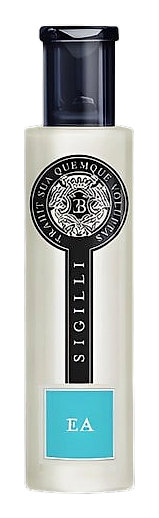
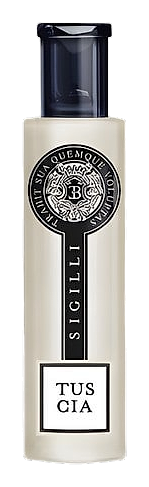
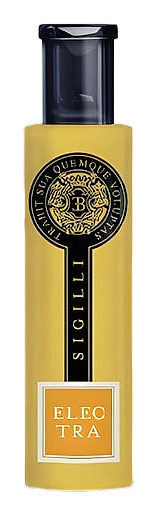
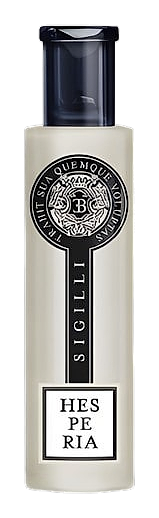
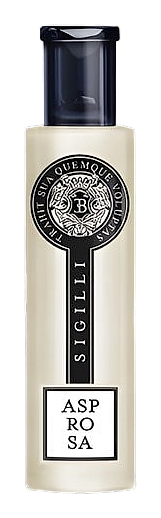
SigilliSigilli is an Italian niche fragrance house recognized for its collection of artisanal perfumes launched in the year 2000. The brand takes its name from the Italian word for seals, evoking imagery of antiquity, secrecy, and the ritual of preservation. Sigilli distinguishes itself through a portfolio of fragrances bearing names drawn from historical geography and classical antiquity, including Tuscia, Electra, Thu, Athunis, Hesperia, Asprosa, Volumna, and Claudiae. The house occupies a distinctive position in the niche fragrance landscape, offering scents that reference Celtic, Roman, and Italian geographical and mythological heritage. With its output spanning from 2000 through 2012, Sigilli represents a deliberate, measured approach to perfumery that prioritizes substance over volume. The brand appeals to fragrance collectors and enthusiasts seeking scents grounded in historical nomenclature and cultural memory.
The Creator
Enrico BuccellaBuccella’s signature technique blends bright top notes with a creamy heart and a lingering base that often features vanilla, amber, or orris. He layers fruit such as banana, pineapple, or berries over a veil of milky accords, then anchors the composition with vetiver, sandalwo…