
The Story
Why it exists.
The beginning
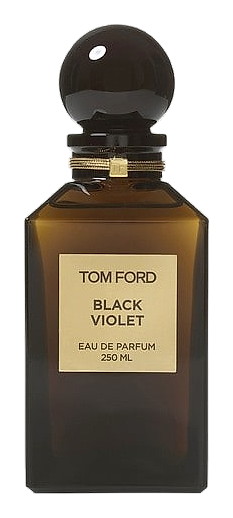
Black Violet arrived in 2007 as part of Tom Ford's Private Blend collection, a direct counter to everything happening in luxury fragrance at the time. No marketing department. No focus groups. Just a concept: take the most delicate, delicate floral in perfumery and make it dark. Clément Gavarry worked with that tension, building a violet that didn't behave like violet. Not sweet, not powdery, not romantic. Earthy. Mineral. The kind of violet that grows in the corner of a garden no one tends.
The oakmoss is doing the real work here. In a formula built around a dark violet, the moss becomes the structure that holds everything together, classic chypre architecture, but modern in its restraint. The fruity notes in the opening add a contemporary sweetness that keeps the whole thing from feeling dated. It's a careful balance: bergamot and citrus to open, black violet to define, oakmoss and cedar to last. The violet itself was the challenge. Making it dark without making it heavy. Making it interesting without making it strange. That narrow path is where the fragrance lives.
The evolution
The opening is all citrus and bergamot, bright, clean, a little tart. There's a greenness to the fruity notes that keeps it interesting, a stem-crush quality underneath the sweetness. Within twenty minutes, the violet arrives. Not the powdered kind. The dark, waxy kind that grows in damp woods. Mineral and earthy, almost, though never quite, animalic. The oakmoss grows louder as the violet deepens, adding shadow. By the fourth hour, the woody base takes over. Cedar and vetiver wrap around the moss, warm and intimate. Eight to ten hours on skin. Longer on fabric. That's where the name earns itself: a violet that lived and died in darkness, finally home.
Cultural impact
Black Violet occupies a specific position: dark enough to be interesting, refined enough to wear anywhere. It's become a quiet reference point for those who want something with character without announcing it. The oakmoss-heavy formula appeals to a particular sensibility, someone who finds most contemporary florals too sweet and most orientals too loud. Not a crowd-pleaser, and that refusal is the point.