The Story
Why it exists.
The beginning
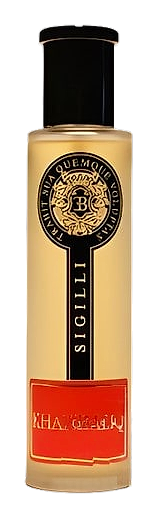
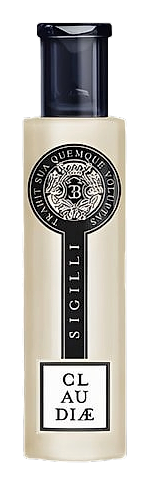
Claudiae carries the weight of a name that echoes through history, chosen by Sigilli to evoke a sense of lineage and presence. The fragrance embodies simple elegance, a quality that emerges not from ornamentation but from restraint. There is a free spirit to the composition, something that resists convention and moves with natural ease. The depth of character reveals itself gradually, never announcing its presence but quietly establishing a lasting impression. It is a scent that speaks softly yet leaves a mark, the kind of fragrance that rewards attention without demanding it.
What sets Claudiae's structure apart is the perfumer's commitment to the green accord as a primary material rather than a background element. Tomato leaf functions here as a genuine top note, not a fleeting accent, and it shapes the fragrance's character from the first moments. The unusual opening defines what comes after: galbanum and rose build the heart, with the botanical clarity of the beginning tempering into something more layered. The patchouli-and-musk base provides warmth and persistence without overwhelming the green clarity that anchors the composition.
The evolution
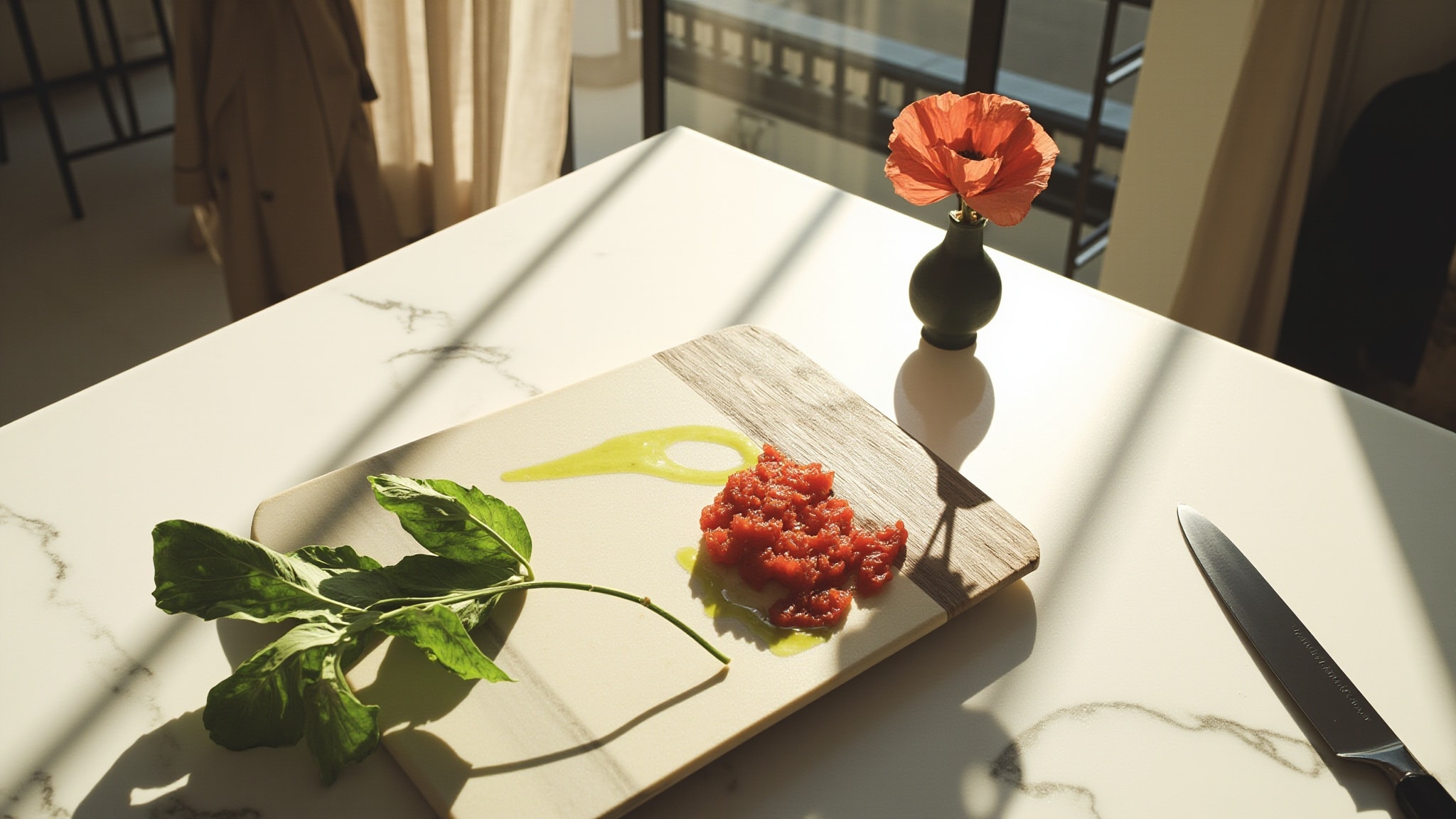
The opening arrives crisp and immediate, crushed tomato leaf with a mineral edge that reads almost bitter, like chlorophyll stripped of sweetness. Red poppy adds a faint dusty quality without floral softness. Galbanum sharpens everything, pushing the green into territory that feels more botanical garden than perfume counter. The handoff happens around twenty minutes in: rose enters quietly, tempering the stern green with something gentler without abandoning the structure entirely. Patchouli anchors the drydown, earthy and warm, while musk extends the sillage. The base holds through a workday on most skin. What lingers on fabric the next day is a faint green-earth warmth, not the sharp opening but its quieter echo.
Cultural impact
Released in 2010, Claudiae places tomato leaf at the center of its composition as a primary structural element rather than a fleeting accent. Enrico Buccella constructed the scent around botanical ingredients, creating an unusual opening that defines the fragrance's character. The opening arrives crisp and immediate, crushed tomato leaf with a mineral edge that reads almost bitter, like chlorophyll stripped of sweetness. Red poppy adds a faint dusty quality without contributing floral softness. Galbanum sharpens everything, pushing the green into territory that feels more botanical garden than perfume counter.
The House
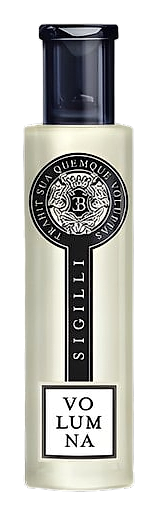
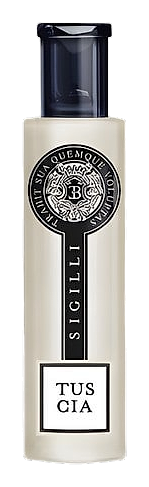
SigilliSigilli is an Italian niche fragrance house recognized for its collection of artisanal perfumes launched in the year 2000. The brand takes its name from the Italian word for seals, evoking imagery of antiquity, secrecy, and the ritual of preservation. Sigilli distinguishes itself through a portfolio of fragrances bearing names drawn from historical geography and classical antiquity, including Tuscia, Electra, Thu, Athunis, Hesperia, Asprosa, Volumna, and Claudiae. The house occupies a distinctive position in the niche fragrance landscape, offering scents that reference Celtic, Roman, and Italian geographical and mythological heritage. With its output spanning from 2000 through 2012, Sigilli represents a deliberate, measured approach to perfumery that prioritizes substance over volume. The brand appeals to fragrance collectors and enthusiasts seeking scents grounded in historical nomenclature and cultural memory.
The Creator
Enrico BuccellaBuccella’s signature technique blends bright top notes with a creamy heart and a lingering base that often features vanilla, amber, or orris. He layers fruit such as banana, pineapple, or berries over a veil of milky accords, then anchors the composition with vetiver, sandalwo…