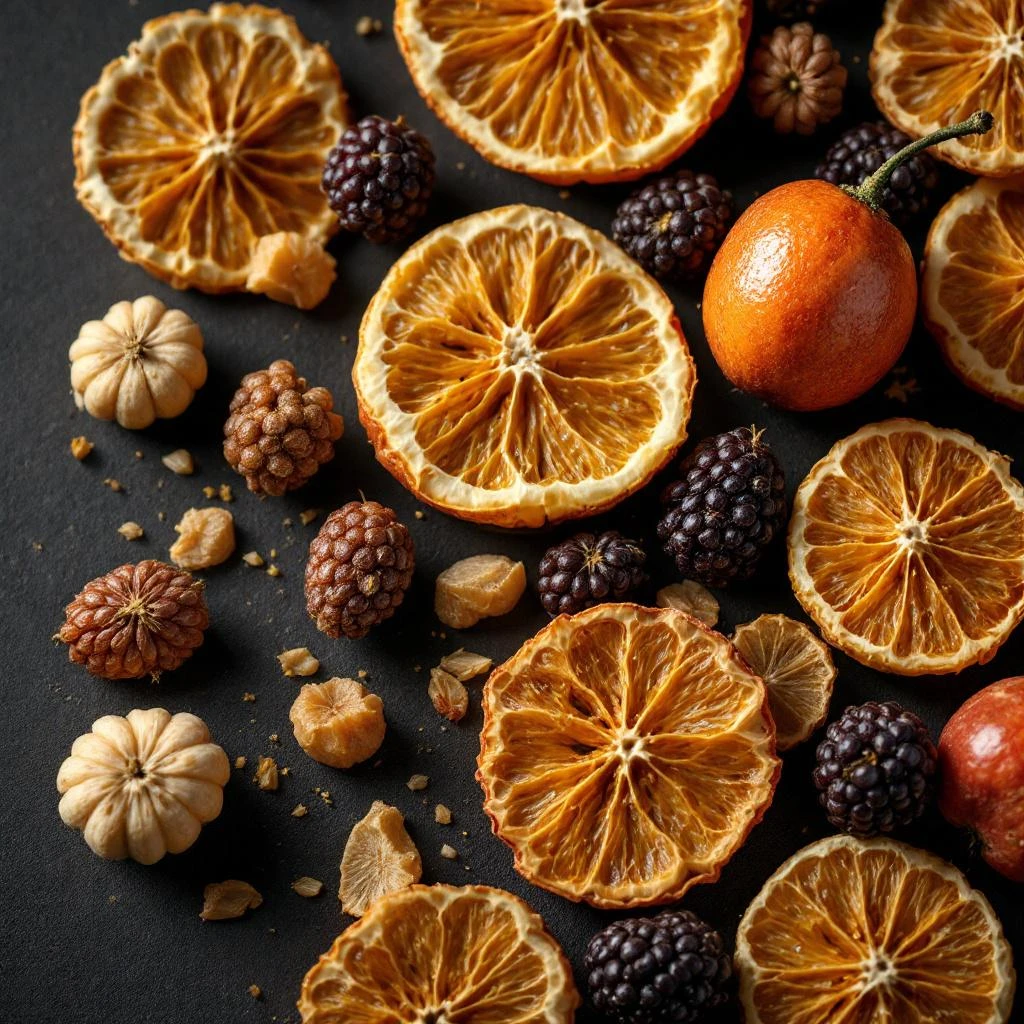
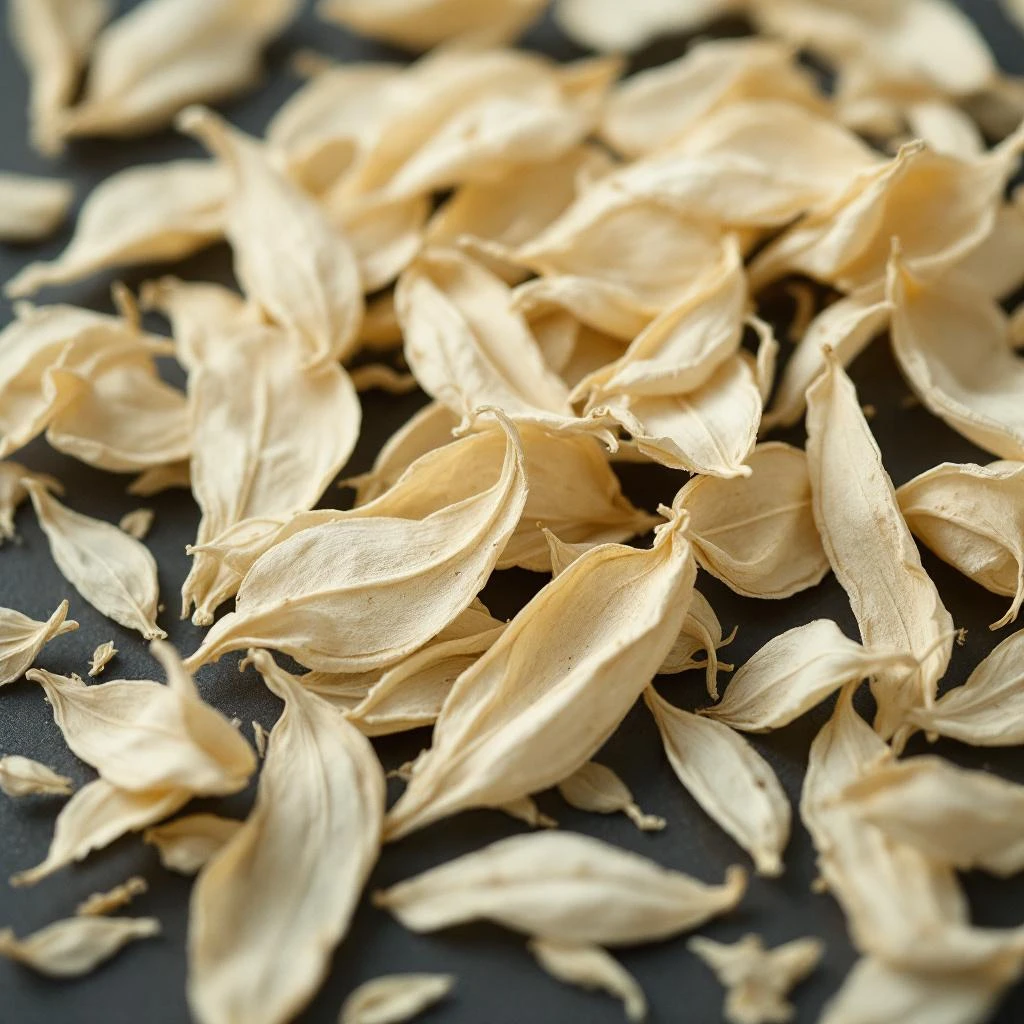
Red poppy
Red poppy delivers a fresh, dewy-floral burst that evokes late spring meadows. Its bright green character and fleeting sweetness bring natural vibrancy to fragrance compositions, making it a prized note in modern perfumery for capturing wildflower spontaneity.
Character
How it smells
Fresh wildflower brightness in every spray
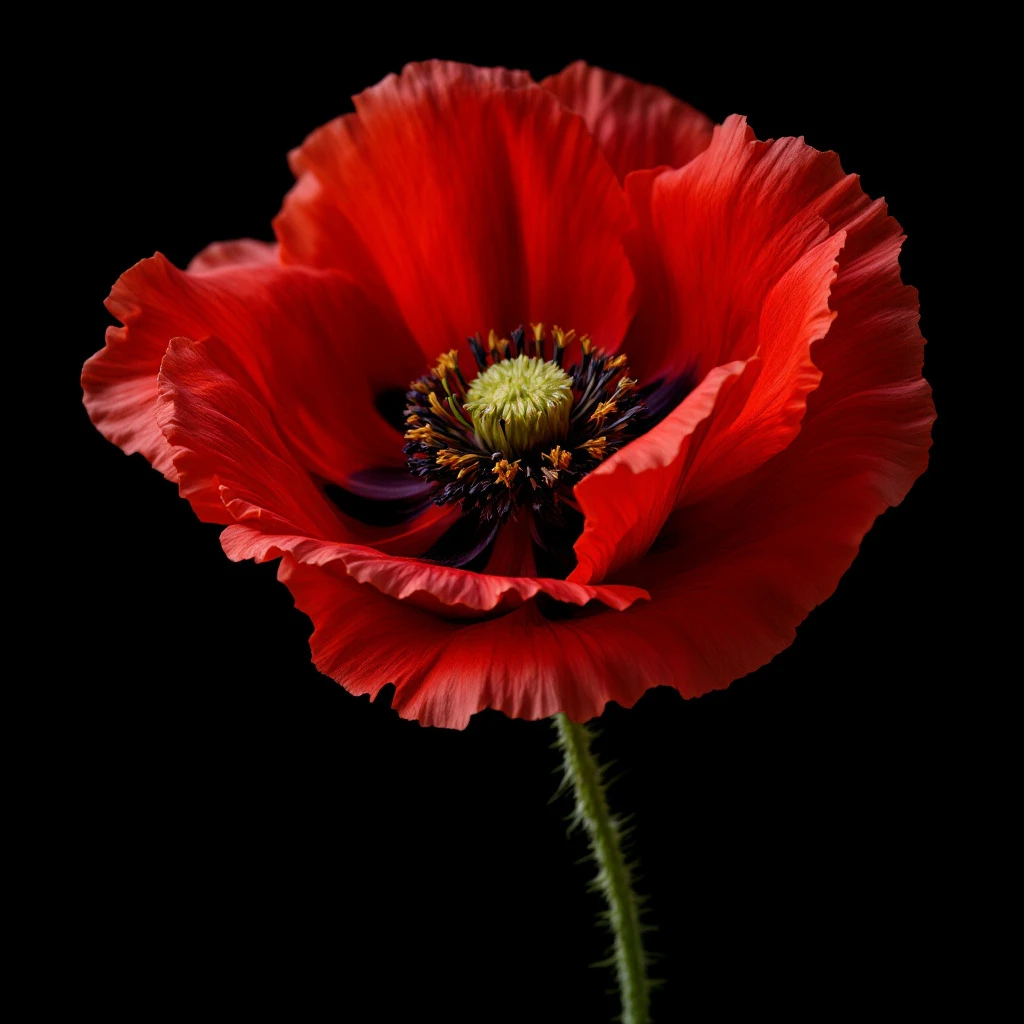
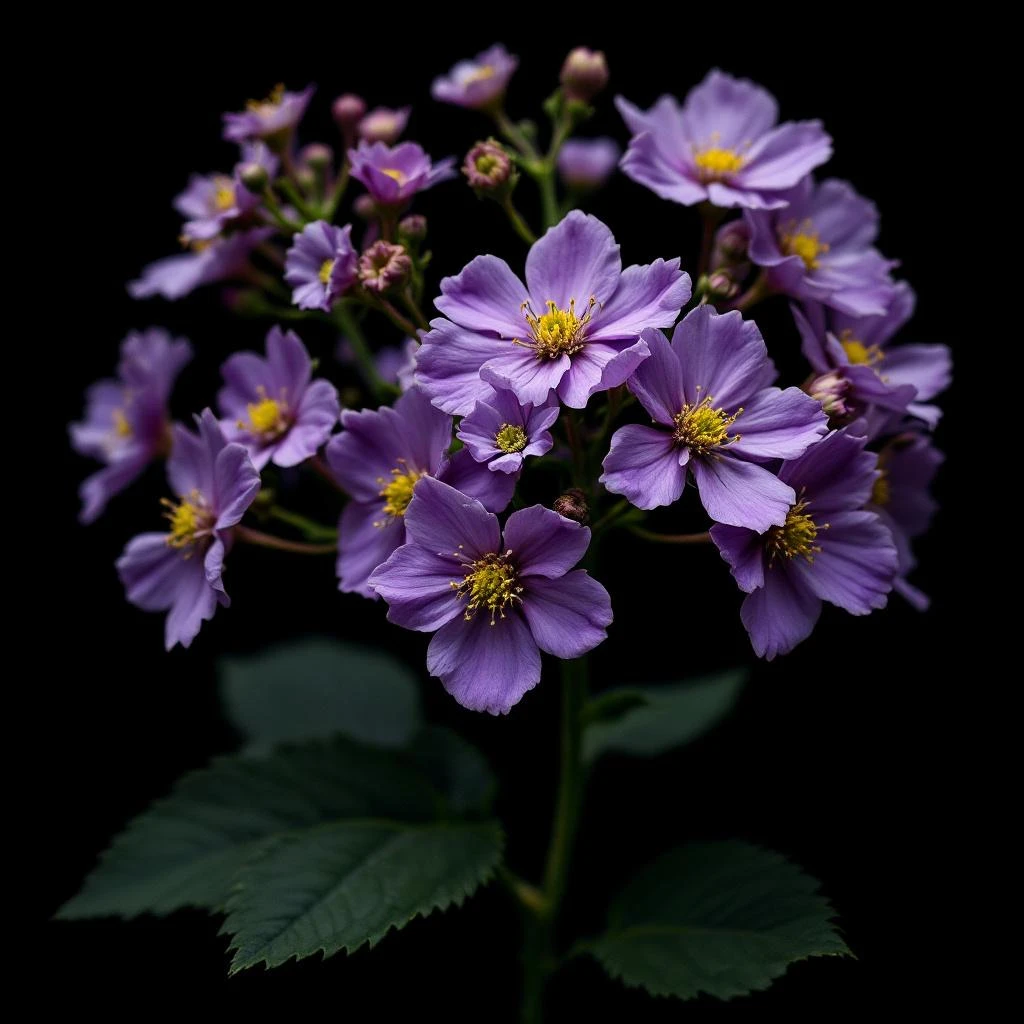
Field poppies release their fragrance only briefly in the morning; perfumers capture this ephemeral character through precise nature-identical synthesis.







Origin
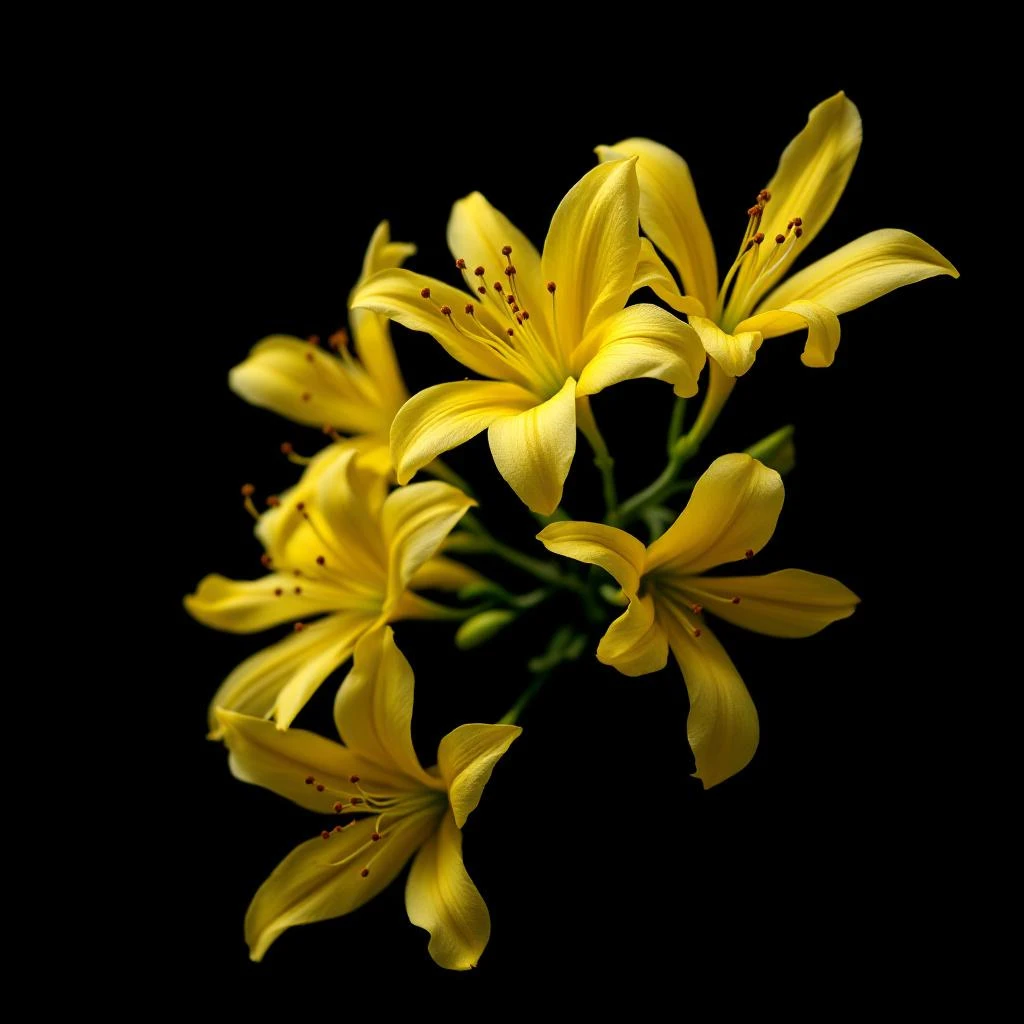
Synthetic - recreated globally
Red poppy (Papaver rhoeas) has decorated meadows and fields across Europe and Western Asia for millennia, earning symbolic meanings ranging from consolation to remembrance in various cultures. Ancient Greeks associated the flower with Demeter and the eternal cycles of life and sleep, while folk traditions across Eastern Europe incorporated poppy petals into remedies and ceremonial preparations. The flower's striking crimson hue made it a subject in textile dyes and folk art, yet its ephemeral nature made it impractical for early perfumery.
The Soviet fragrance Krasny Mak, released in the 1970s, stands as one of the earliest commercial attempts to bottle poppy's fresh character. Modern analytical chemistry now allows perfumers to identify and recreate the specific volatile compounds released during the flower's brief morning bloom, transforming an essentially unachievable natural material into an accessible perfumery ingredient that honors the flower's original spirit.
Wears it best
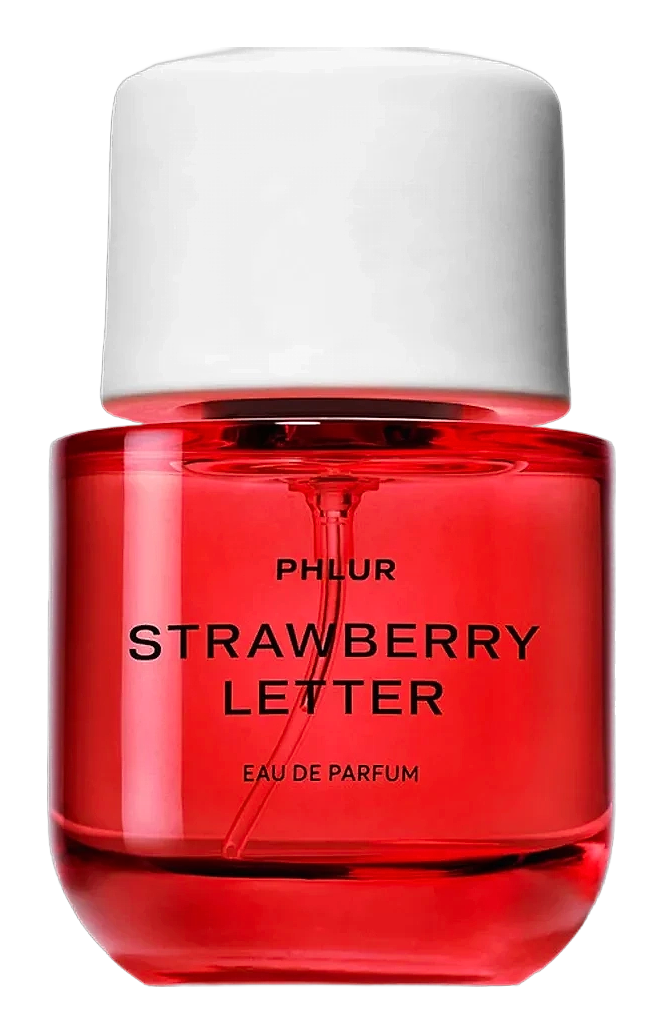
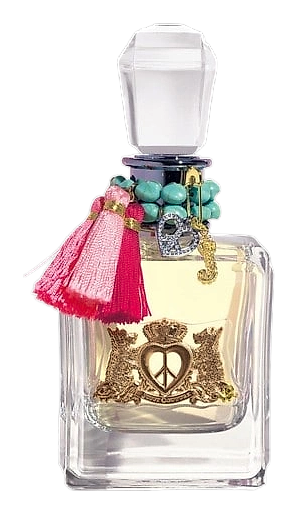
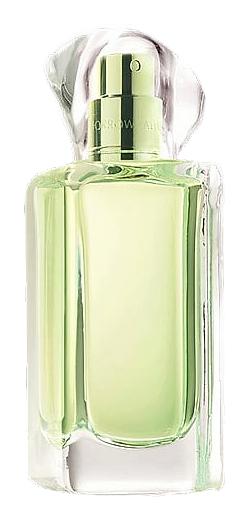
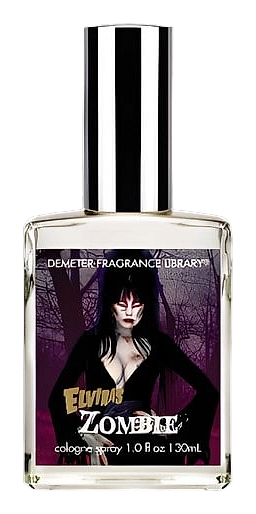
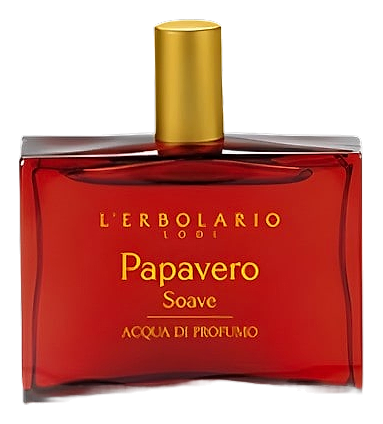
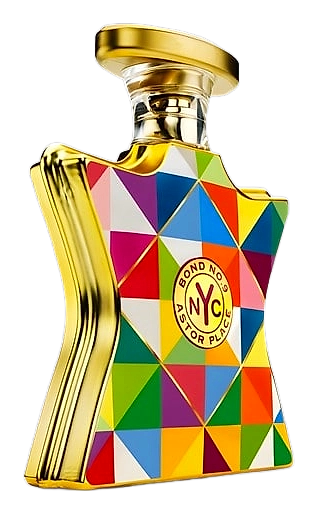
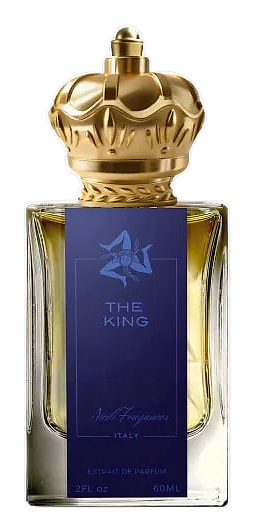
Fragrances featuring Red poppy
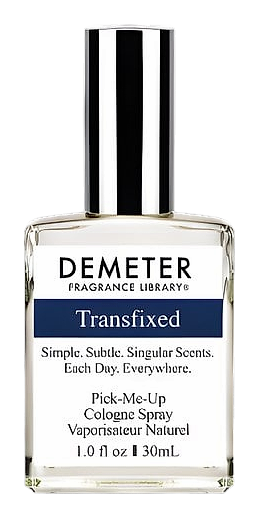
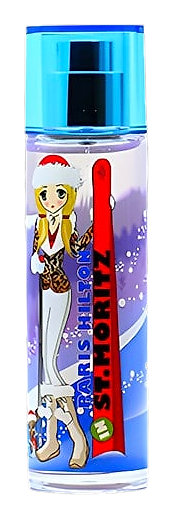
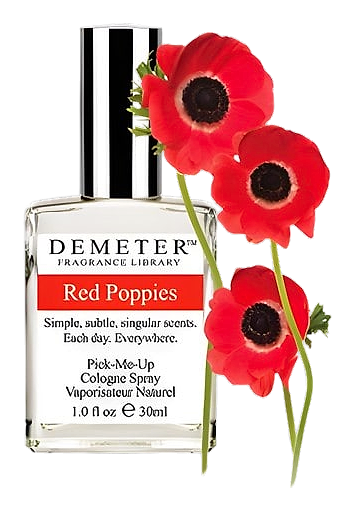
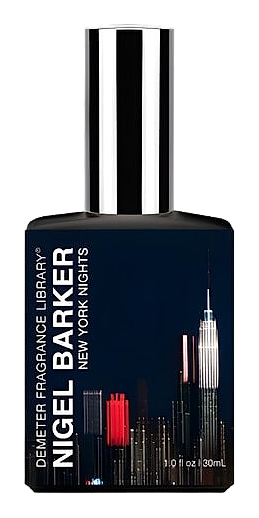

Brands
Brands known for Red poppy
Good to know
Questions, answered
The essentials on Red poppy in perfumery: how it smells, where it comes from, and how it behaves on skin.
Is red poppy a natural or synthetic ingredient?
Red poppy is almost always synthetic. The flower's petals contain minimal aromatic oil and lose their scent within hours of harvest, making natural extraction commercially impossible. Perfumers recreate the fresh, dewy-floral character using nature-identical aromatic compounds.
What does red poppy smell like?
Red poppy captures fresh, green-floral brightness with watery dewy top notes and a soft, fleeting sweetness. It evokes the sensation of morning wildflower meadows, bringing youthful, spontaneous energy to fragrance top notes.
What fragrance families use red poppy?
Red poppy appears primarily in fresh florals, green chypres, and fruity compositions. It pairs naturally with citrus, lily of the valley, green tea, pear, and aquatic notes where its bright, fleeting character shines.
Can red poppy absolute be extracted from the flower?
Technically yes, but the yield is negligible and cost-prohibitive. A single kilogram of poppy petals yields trace amounts of absolute with negligible commercial value. Professional perfumery relies entirely on synthetic recreation.
How much red poppy is used in fragrance formulations?
Red poppy materials typically appear at 2-8% concentration in fragrance concentrates. As a top-note element, it contributes bright opening character without requiring heavy usage to make an impact.
What compounds create red poppy's characteristic scent?
Green aldehydes and linalool derivatives form the foundation, with phenylacetaldehyde adding sweet-floral character and aliphatic aldehydes contributing the signature fresh, dewy quality reminiscent of morning petals.
Is red poppy sustainable as an ingredient?
Yes. Synthetic production avoids cultivation requirements, seasonal variability, and harvest timing pressures associated with natural floral materials. Quality remains consistent batch to batch.
Which perfumery traditions developed red poppy materials?
Modern analytical chemistry and the fragrance industry's shift toward nature-identical materials in the late 20th century enabled accurate recreation of poppy's ephemeral character. Krasny Mak by Moscow-native perfumers marked early commercial exploration.