
The Story
Why it exists.
The beginning
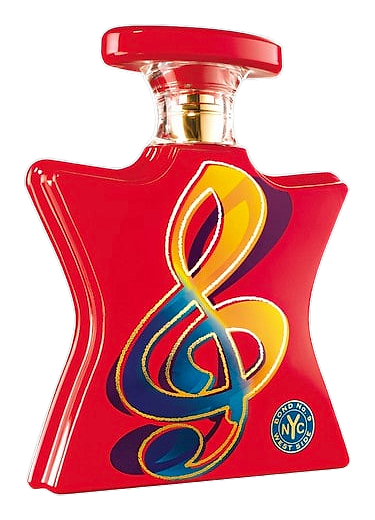
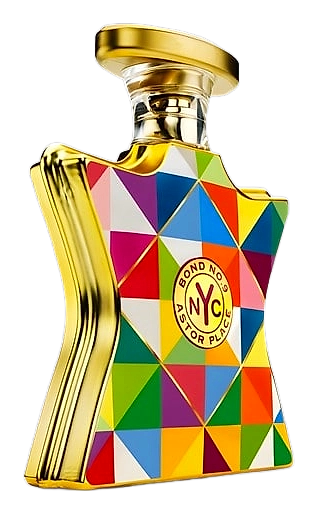
In 2009, Bond No. 9 looked at a rotating cube in lower Manhattan and decided to bottle it. Tony Rosenthal's 'Alamo' sculpture sits at Astor Place where Lafayette Street meets the Bowery, a geometric monument that spins on its own axis, catching light differently every hour. The fragrance had to do the same thing: start one way, arrive somewhere else entirely. The bottle mimics the sculpture's angular panels, painted in colorful triangles with gold accents. Not a coincidence. A translation. The scent opens with that same cool confidence, green and sharp, before warming into something floral and unexpected. It shifts as it settles, revealing new facets the way the sculpture catches different light as it turns. Each wearing feels like watching the cube spin anew.
What makes Astor Place interesting is the hand-off between phases. Violet leaf and mandarin zest open cool, almost mineral, like morning air off wet stone. Then the freesia and red poppy arrive, and the temperature shifts. Freesia brings sweetness, but red poppy brings something sharper, almost spicy. Together they create a heart that feels neither purely feminine nor masculine, just present. The orris root (iris root) threads through as a powdery connector, keeping the florals from getting gushy. By the time teakwood, musk, and amber arrive, the fragrance has been three different scents in one day. That range is the point.
The evolution
The opening arrives as a cold, green shock of violet leaf and mandarin zest that could read as masculine if the mandarin weren't so bright. Then the freesia blooms. The red poppy follows. The combination is what separates this from a standard fresh floral: there's a slight peppery heat underneath the sweetness that keeps the florals from floating away. The orris root adds a powdery elegance that softens everything, creating a smooth transition into the next phase. As the top notes fade, something warmer emerges, teakwood and musk settling close to the skin, amber catching the light. The drydown is intimate. The sillage keeps the fragrance personal, something you notice more than those around you unless they draw close. Lingering traces of musk and teakwood stay on fabric long after the initial application. The cube rotated. You ended up somewhere different than where you started.
Cultural impact
Astor Place won Fragrance of the Year, Women's Luxury at the 2010 Fragrance Foundation Awards, a recognition that placed this bold spring floral among the industry's most notable releases. The unusual freesia-red poppy pairing caught attention for its willingness to take risks in a category often dominated by safe florals. Critics noted the unexpected combinations, the way it refused to play it comfortable in a sea of predictable choices. A special Swarovski crystal edition of the bottle extends the sculpture connection further, the cube, decorated.