
The Story
Why it exists.
The beginning
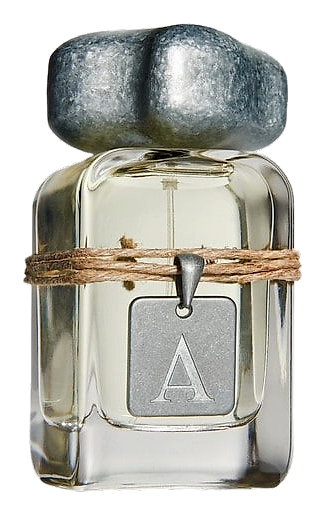
Bayan Mulak arrived in 2012 from Enrico Buccella, composed for Sigilli, an Italian house with a small but considered catalog. Buccella is the nose behind several Sigilli compositions, and his work here leans green and animal-floral, a combination more common in classical chypres than in many contemporary niche releases. The brief seems clear: build a forest that isn't a cliché. Use pine, grass, and wildflowers to set a scene that feels natural and lived-in rather than postcard pretty. Then do something less polite underneath. The opening leans on the vegetal side, with pine and bright grass reading almost crisp at first spray, the way cold air hits you when you step out under tall trees. Wildflower notes soften the edges without turning the composition into a meadow scene.
What's unusual here is the absence of the expected. Bayan Mulak skips the brighter top notes that would typically lighten a green composition. The top is pine, grass, and floral notes, but the heart is just woods and resins, dense rather than decorative. The base introduces animalic notes alongside the moss, which gives the drydown a warmth most forest compositions avoid. The progression from the crisp, almost cold opening through the warmer, denser heart and into the animalic base feels intentional and well-paced.
The evolution
The first fifteen minutes are sharp and cold. Pine resin hits the air like you've broken a branch. Grass underneath, slightly sweet. Wildflowers trying to lighten things. Then the sharpness fades and the woods take over, warm and resinous, less like a tree and more like a room where wood has been burned. The drydown arrives around the two-hour mark and stays put. Moss anchors everything. The animalic notes surface slowly, a warmth on the skin that reads as body heat rather than perfume. Eight hours later, on fabric, it still smells like damp earth and something organic you can't quite name. The pine is gone. The moss is not.
Cultural impact
Bayan Mulak sits in a quieter corner of Italian niche perfumery, a 2012 release from a house that doesn't chase visibility. Its profile leans green and animal-floral, a combination that feels increasingly rare in modern releases where cleaner, brighter compositions tend to dominate the conversation. The fragrance wears close to the skin rather than projecting aggressively, which suits its classical leanings and gives it a more intimate character. The green notes read as natural and considered rather than synthetic or sharp, with the pine and grass elements setting a clear scene before the heart opens up.