The Story
Why it exists.
The beginning
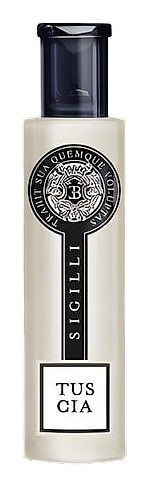
Tuscia evokes a stretch of land threaded with hills, quiet valleys, and an atmosphere dense with the weight of centuries. The name carries an immediate resonance, conjuring the sense of standing in a place where time moves differently and the air retains warmth long after the sun has dipped. Released in 2010, the fragrance was composed by Enrico Buccella to capture that quality translated through scent, never in a literal, postcard sense, but as pure atmosphere. The hills after rain. Air that holds warmth into evening. Stone warmed by a late sun. It is a landscape rendered through olfactory composition, one that prizes suggestion over declaration and stillness over spectacle.
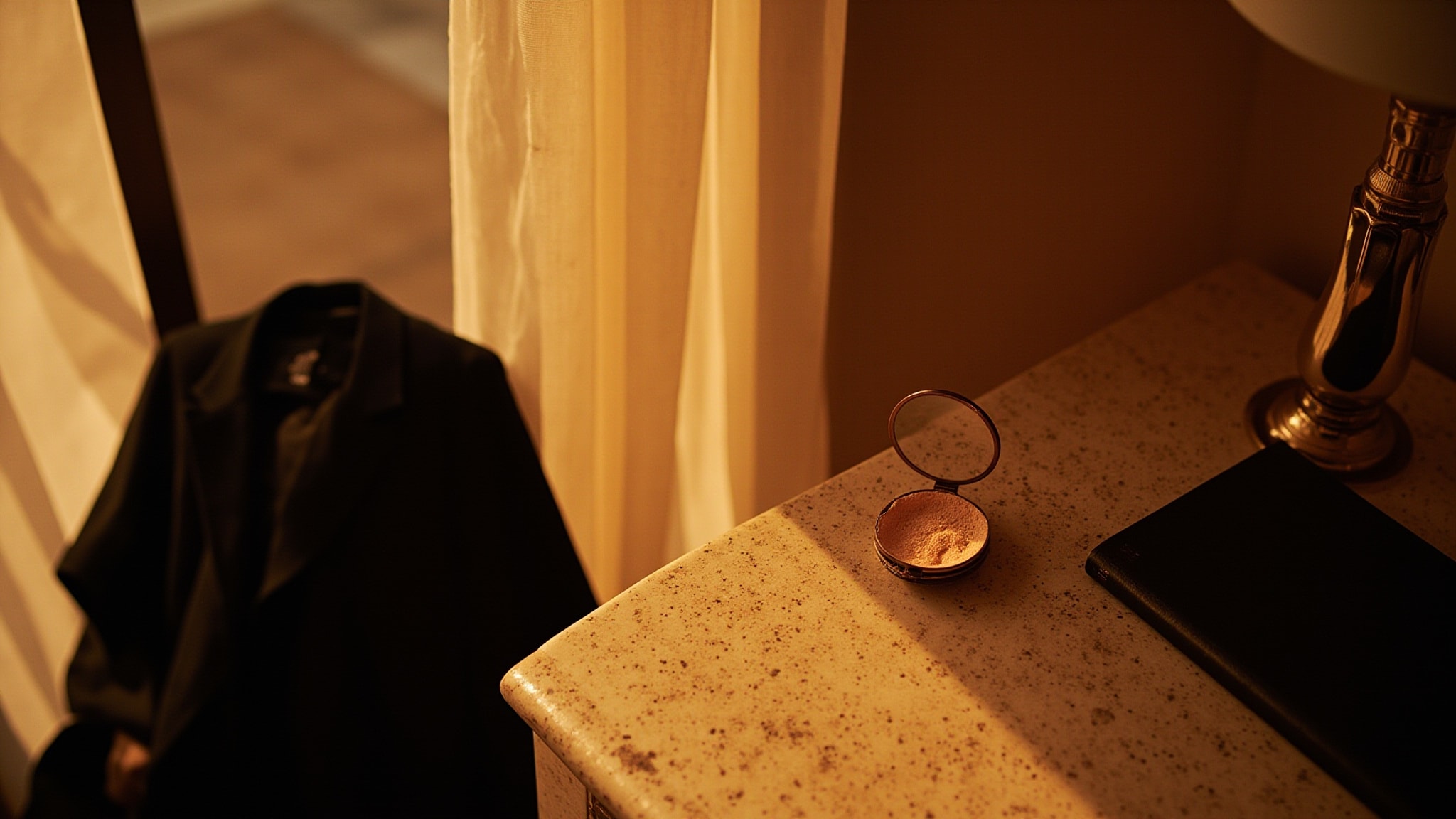
What makes Tuscia unusual is its refusal of classical structure. Rather than building a clean top-heart-base pyramid where each phase yields to the next, Buccella intensified the sweet-smelling potency across the entire composition. The result reads as one continuous gesture: spice, flower, and musk braided together rather than sequenced. The powdery accord does the heavy lifting, giving the whole fragrance a tactile softness that recalls cosmetic puffs and vintage dressing tables, while the spicy opening keeps it from collapsing into pure sweetness. Musk anchors everything to skin.
The evolution
The first ten minutes lean warm and slightly sharp, a quiet hit of spice against the wrist that suggests warmth without defining it. Then the floral arrives, not as a bouquet but as a single dense bloom powdered at the edges, the kind that sits in a glass on a vanity rather than a garden. It doesn't replace the spice so much as absorb it. After the first hour, the composition starts to feel like one substance rather than three. The musk emerges not as a separate base note but as a shift in texture, the powder settling closer to skin, warmer, more personal. What stays isn't the spice or the flower specifically. It's the feeling of warmth dusted over fabric. By hour five or six, Tuscia has gone intimate, almost undetectable to anyone but the wearer, but still there on a scarf, still present in the air a chair was left. It doesn't project. It just doesn't leave.
Cultural impact
Tuscia carries an animalic warmth in its musk that keeps it from feeling overly demure, giving it a depth that holds up particularly well in colder months and quieter rooms. The musk has a skin-like quality, almost intimate, the kind of accord that becomes more interesting as the hours pass rather than less. There is a powdery softness running beneath the composition, lending it a vintage character reminiscent of older European perfumery traditions, the kind of scent that might have been composed decades ago and simply forgotten until now.