Cress
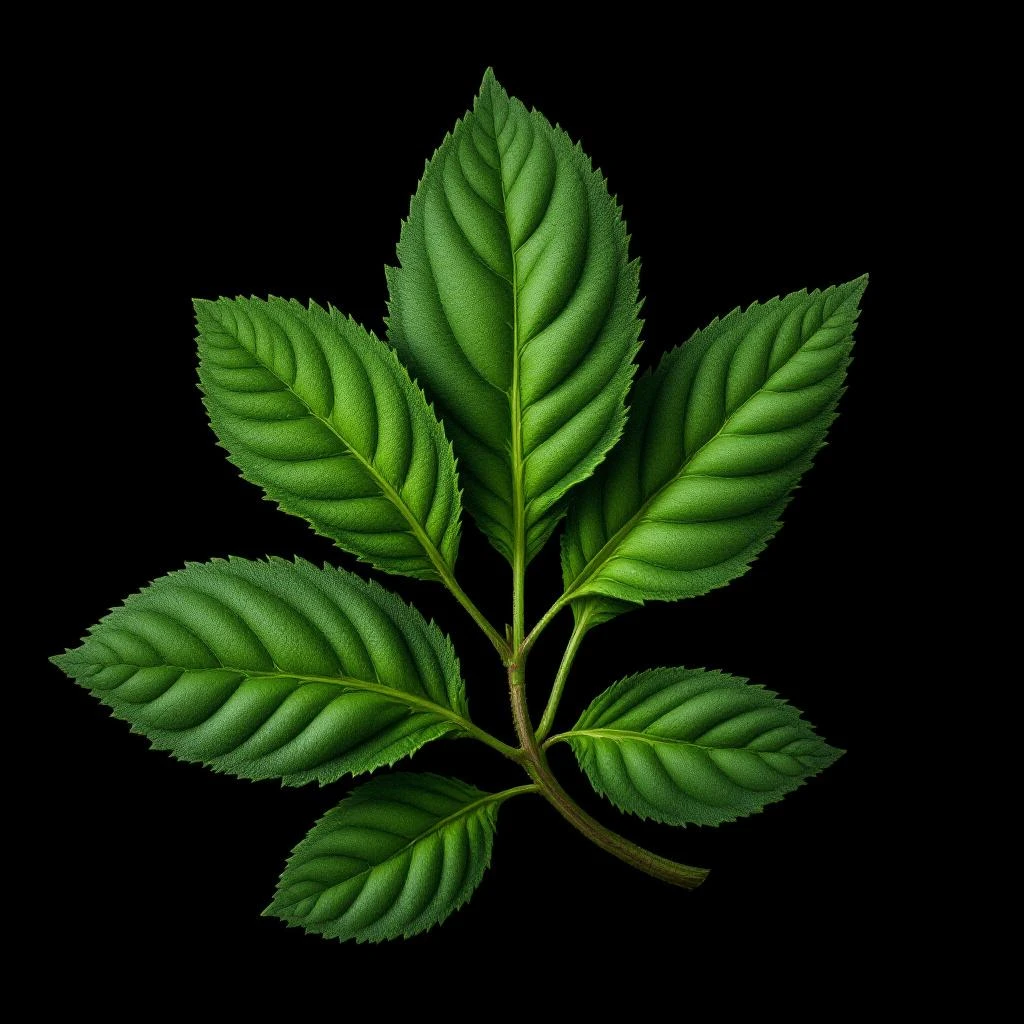
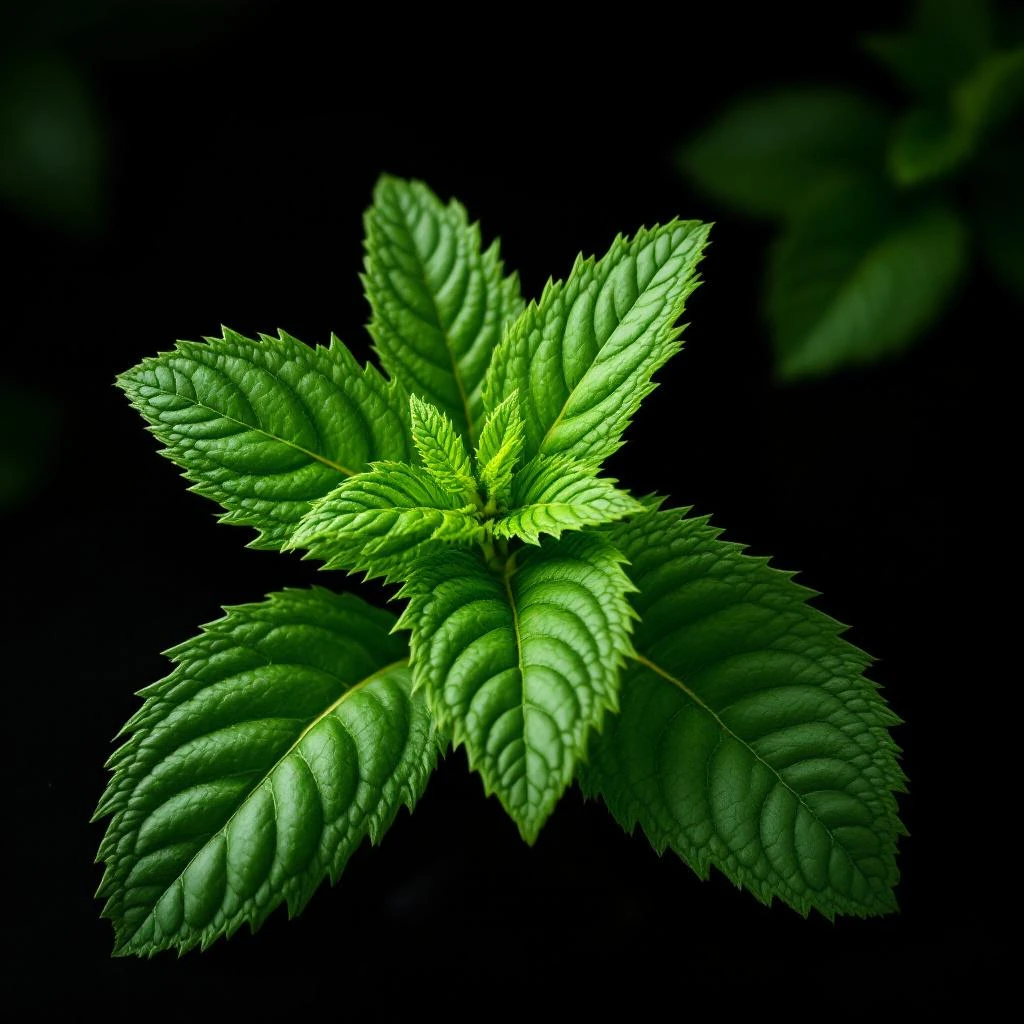
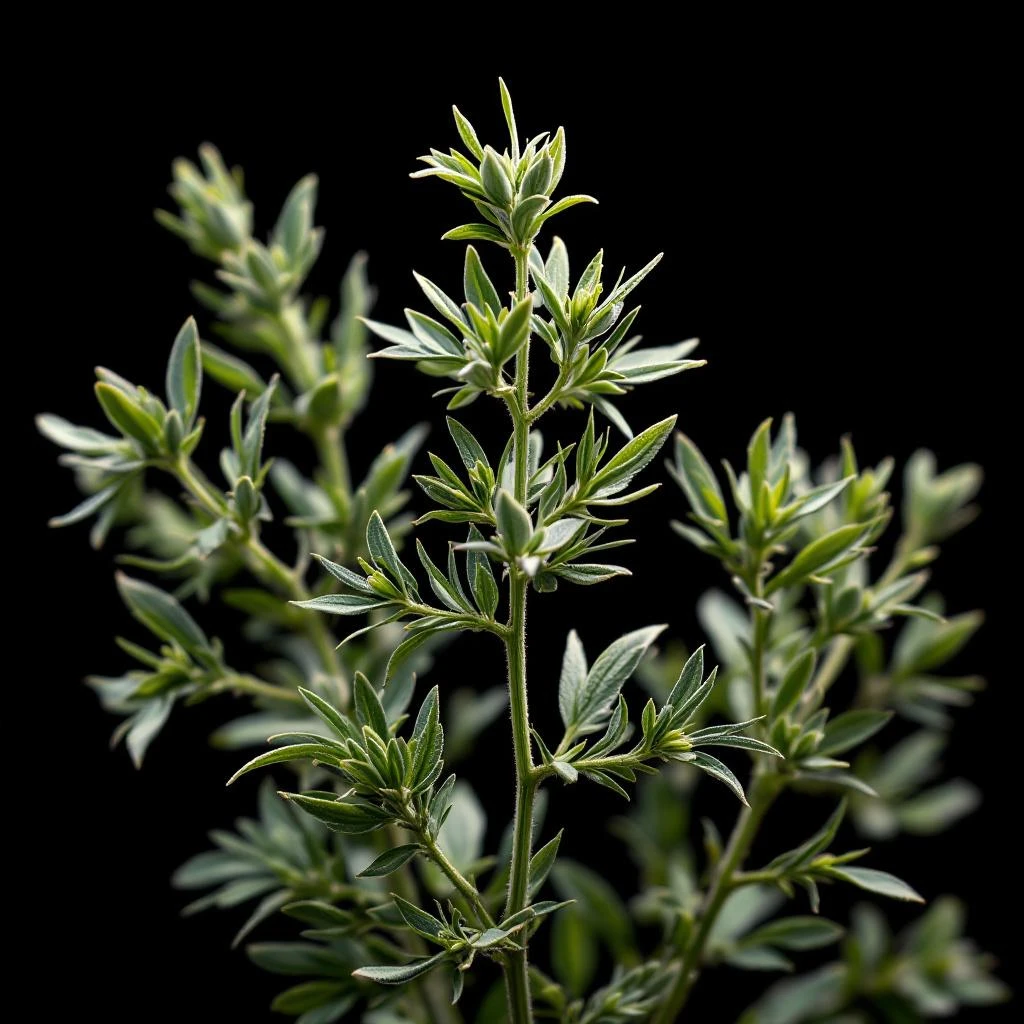
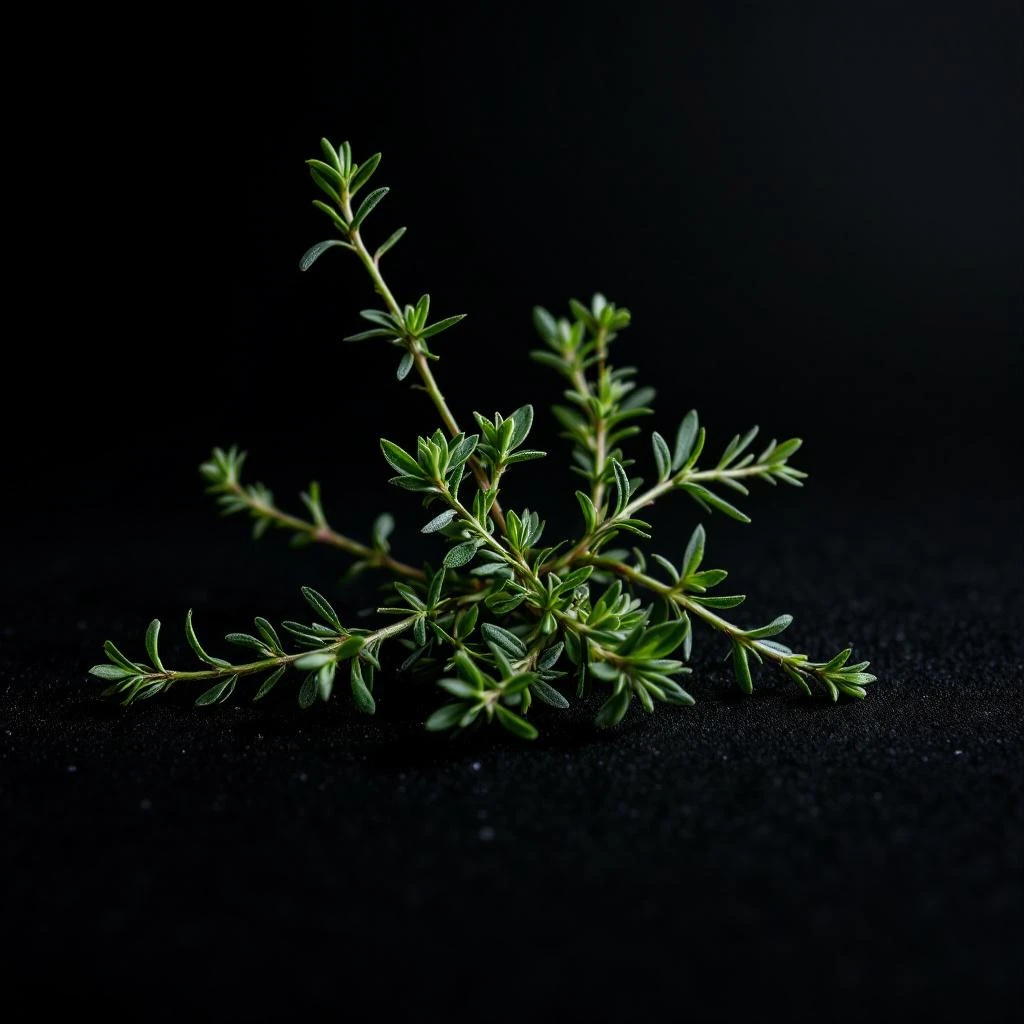
Cress absolute delivers a bright, peppery green note with a fresh, almost aquatic character. It captures the crisp bite of the living plant, adding natural greenness and energy to fragrance compositions. This ingredient is prized for its ability to inject life and immediacy into top and heart notes, particularly in fresh and chypre structures.
Character
How it smells
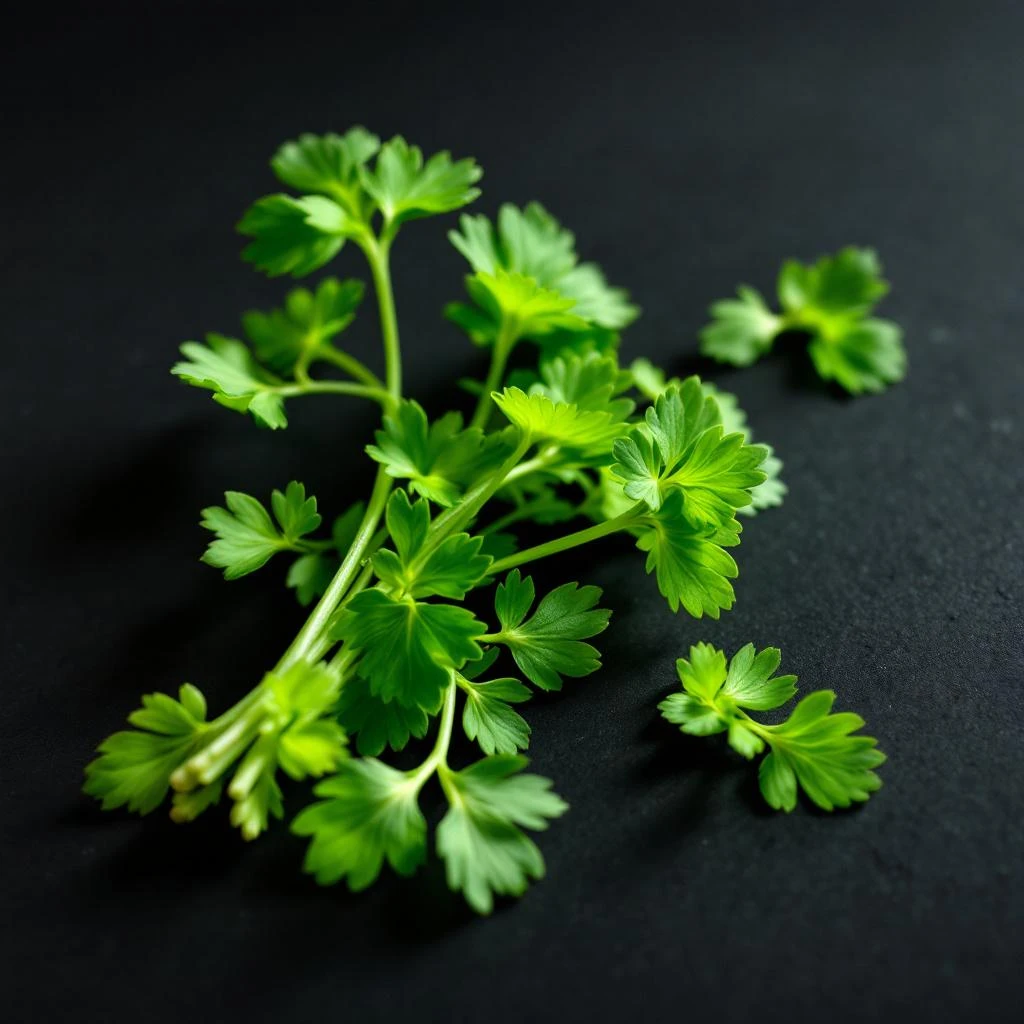
A crisp, peppery green note that captures the bite of fresh cress.
The peppery flavor in cress comes from glucosinolates, the same compounds responsible for mustard's heat. Perfumery captures this quality in an absolute prized by perfumers working with natural green accords.







Origin
France
Cress has been gathered as food and medicine for thousands of years across Europe and Western Asia, long before it became a perfumery ingredient. Ancient Greek and Roman physicians documented watercress in medicinal preparations for its tonic properties, and it was commonly consumed by working-class populations throughout medieval Europe for its nutritional value.
The use of cress in perfumery is a relatively recent development, emerging alongside the broader botanical absolute tradition in the 20th century. As fragrance makers sought to expand their palette of natural green notes beyond traditional materials, cress absolute offered something distinctive: the sharp, living quality of freshly crushed leaves rather than the sweeter grass or hay-like notes of other botanicals. This made it particularly valuable for fine fragrances aiming to evoke fresh, natural atmospheres.
Wears it best
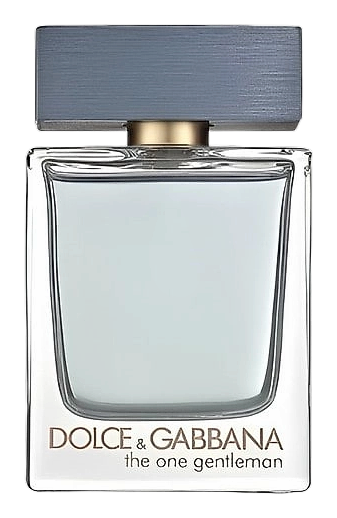
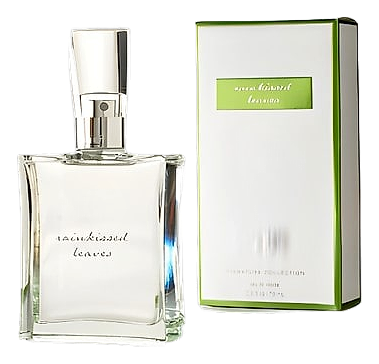
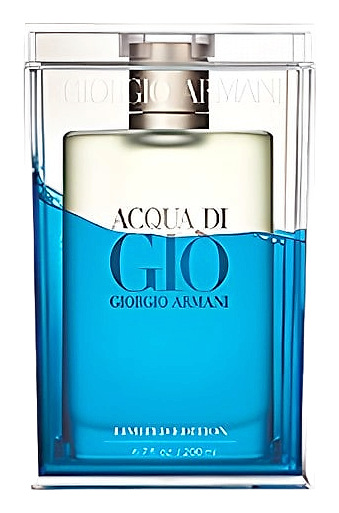
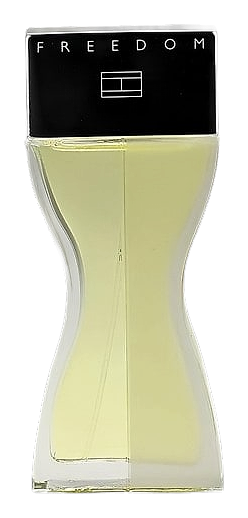
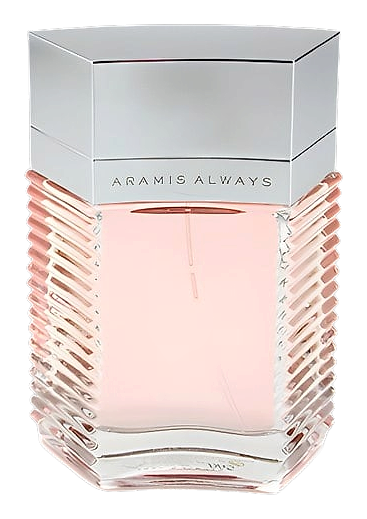
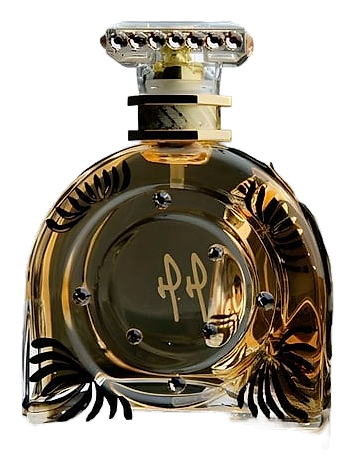
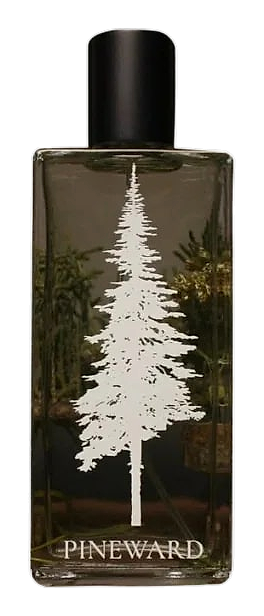
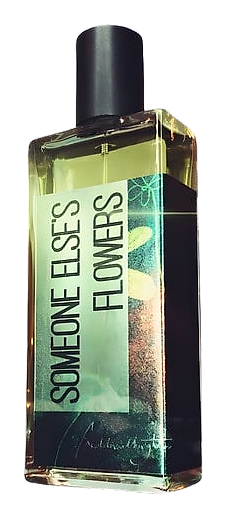
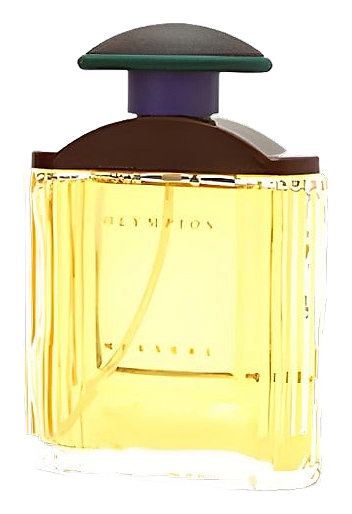
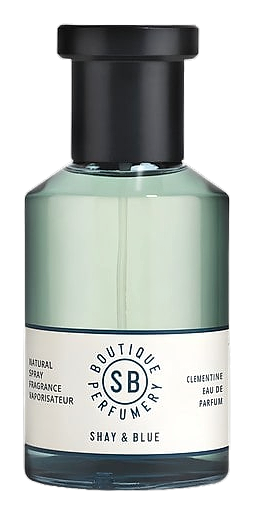
Fragrances featuring Cress

Good to know
Questions, answered
The essentials on Cress in perfumery: how it smells, where it comes from, and how it behaves on skin.
What does Cress smell like in perfume?
Cress absolute smells bright, peppery, and green with an almost mustard-like sharpness. It evokes the scent of freshly crushed cress leaves, adding immediate freshness and a natural bite to fragrance compositions. The note registers as clean, energizing, and herbal.
Why is Cress used in perfumery?
Cress is used to inject natural green energy into fragrances, particularly in fresh and chypre structures. It provides a crisp, living quality that synthetic green notes often struggle to replicate. Perfumers value it as a botanical accent that brings authenticity to natural-themed compositions.
Is Cress in perfume natural or synthetic?
Cress is a natural perfumery ingredient derived via solvent extraction of watercress plant material. Some synthetic green accords attempt to approximate cress-like qualities, but natural cress absolute remains the authentic choice for perfumers working with botanical raw materials.
What famous perfumes contain Cress?
Cress absolute is considered a niche ingredient and does not appear prominently in mainstream fragrance marketing. It is found mainly in artisanal and natural perfume compositions where perfumers emphasize botanical authenticity. Specific commercial formulations are rarely disclosed publicly.
Is Cress a top note, heart note, or base note?
Cress functions primarily as a top to heart note in fragrance compositions. Its fresh, volatile character means it announces quickly and provides initial green energy, though it can evolve and remain perceptible in the heart phase depending on the formula.
What notes pair well with Cress in perfume?
Cress pairs naturally with citrus, other green ingredients like galbanum and violet leaf, and woody bases including vetiver and cedarwood. It also complements herbal materials such as basil and thyme, creating fresh, aromatic fragrance architectures.
How is Cress extracted?
Cress absolute is obtained via solvent extraction of fresh watercress aerial parts harvested before flowering. This method captures the plant's volatile aromatic compounds including sulfur-containing constituents that define its characteristic peppery green scent. The extracted absolute requires dilution before use.
Is Cress used in men's or women's fragrances?
Cress absolute is gender-neutral in application. It appears in both men's and women's fragrances, primarily within fresh, aromatic, and chypre structures. Perfumers treat it as a functional green note rather than a gendered material, applying it wherever its fresh quality benefits a composition.