The Story
Why it exists.
The beginning
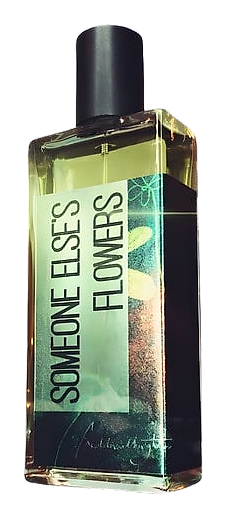
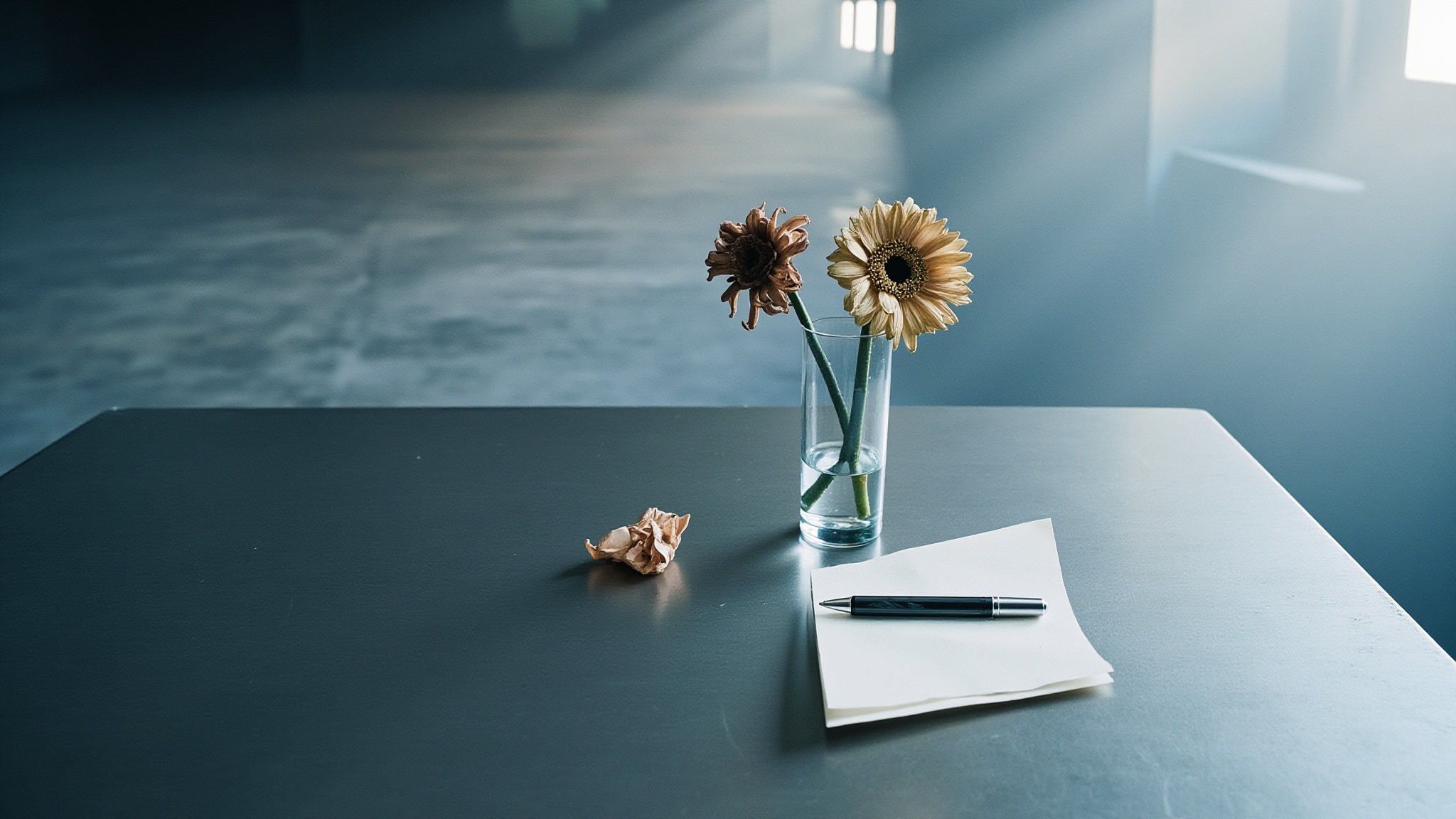
Freddie Albrighton has a thing about flowers no one wants. The chrysanthemum is a perfect example, associated with death and mourning across much of East Asia, discarded by the cemetery compost heap in most Western contexts. But Someone Else's Flowers takes those unloved blooms and builds something around them. The name itself is a provocation. Someone else's flowers. Not yours. What do you do with that? The fragrance captures that moment of pause, the act of noticing what others have passed by. It carries the weight of petals left at a graveside and the strange intimacy of encountering something left behind by a stranger. Albrighton understands that perfume can hold more than pleasant association, that it can carry memory, absence, and the beauty found in things others overlook.
What makes Someone Else's Flowers unusual is the note structure itself. This one opens with daikon radish and watercress, vegetables masquerading as perfume notes, delivering a peppery, almost aggressive bite before the florals arrive. The chrysanthemum doesn't arrive politely. It's earthy, slightly bitter, closer to dried petals than fresh-cut flowers. Hyacinth adds that characteristic green-floral snap, while cyclamen keeps things from getting too heavy.
The evolution
The opening slaps. There's no other word for it. Daikon radish, watercress, chlorophyll, a triple hit of green that is sharp, peppery, almost astringent. It reads as stem-like, sappy, bitter. The kind of thing that either pulls you in or makes you take a step back. Give it ten minutes. The florals start to emerge, chrysanthemum first, earthy and not at all sweet, then hyacinth bringing its characteristic green-floral character alongside cyclamen. The transition isn't a handoff so much as a slow interweaving. The radish bite never fully disappears. It lingers beneath, keeping the florals honest. By the second hour, leather and moss arrive to take over. This is where it gets interesting. The leather isn't soft or gourmand, it's dry, slightly bitter, almost paper-like. Moss adds earth and depth. Patchouli keeps everything grounded.
Cultural impact
Someone Else's Flowers is a green-floral that refuses to be delicate. The chrysanthemum, the radish, the leather, none of these are comfortable choices. Albrighton's emphasis on line and contrast shows in the composition, which has clear, defined edges, no soft gradients. For those who find most florals too sweet or polite, this offers something with actual character. It challenges expectations and invites wearers to reconsider what florals can be when stripped of conventional prettiness.