Chlorophyll
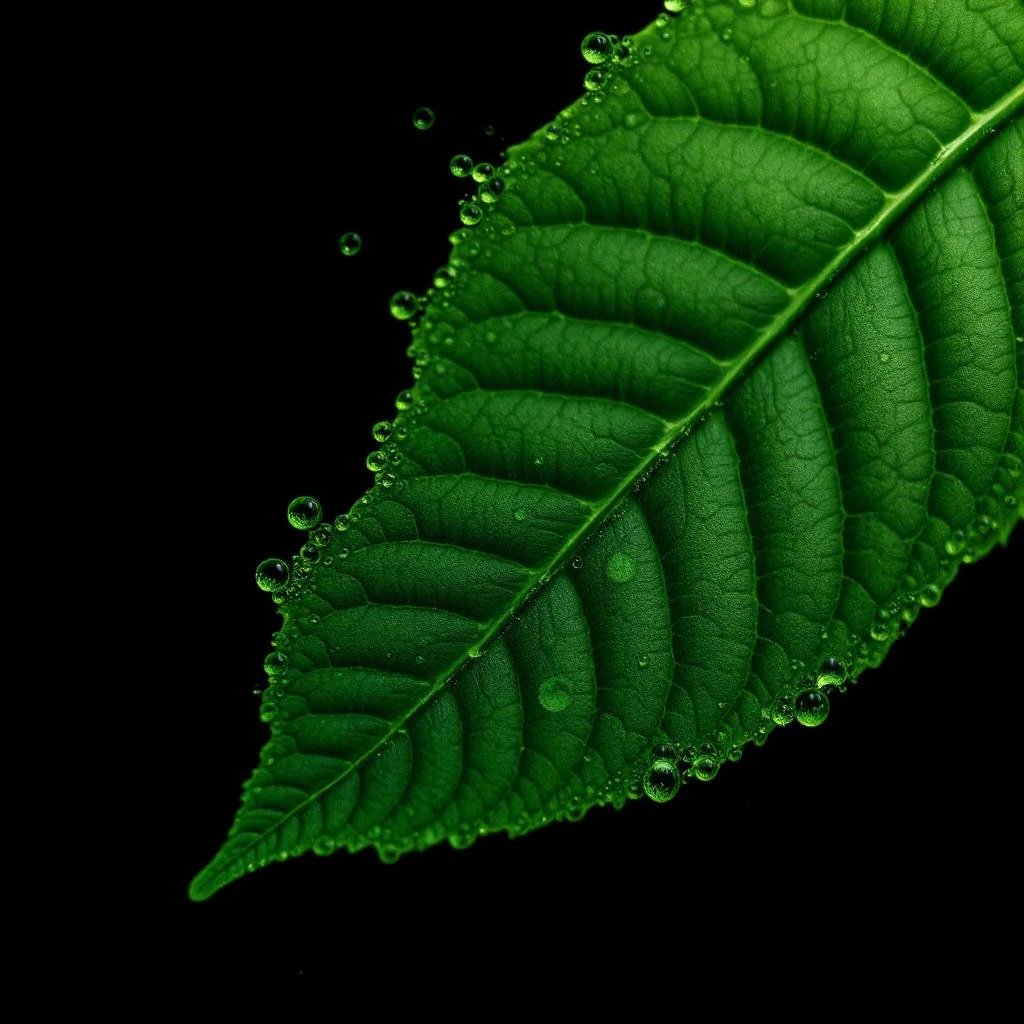
Chlorophyll conjures freshly cut grass and morning dew. In perfumery, this vivid green note arrives not from extraction but from laboratory synthesis. The molecule cis-3-hexenol recreates the scent of crushed leaves and dewy lawns, bringing an immediate, realistic green character to fragrances.
Character
How it smells
The scent of fresh-cut grass, bottled from the lab.
Despite its name, chlorophyll used in perfumery contains zero actual chlorophyll pigment. Perfumers synthesize only the fragrance molecules, not the plant pigment itself.


Origin
Laboratory origin
Before the twentieth century, perfumers seeking green notes relied on natural materials: crushed leaves in sachets, herbal essential oils, and absolutes from plants like violet leaf and galbanum. The emergence of organic synthesis transformed green note creation.
Chemists began isolating individual aroma molecules from botanical sources and later synthesizing them independently. The breakthrough came when scientists isolated cis-3-hexenol, the primary component of fresh grass scent, and developed reliable synthetic production methods.
This advancement gave perfumers a powerful tool for crafting green accords with unprecedented precision. Today, chlorophyll in perfumery represents a deliberate choice: perfumers select synthetic green molecules to achieve specific, consistent results that natural materials cannot guarantee.
Wears it best
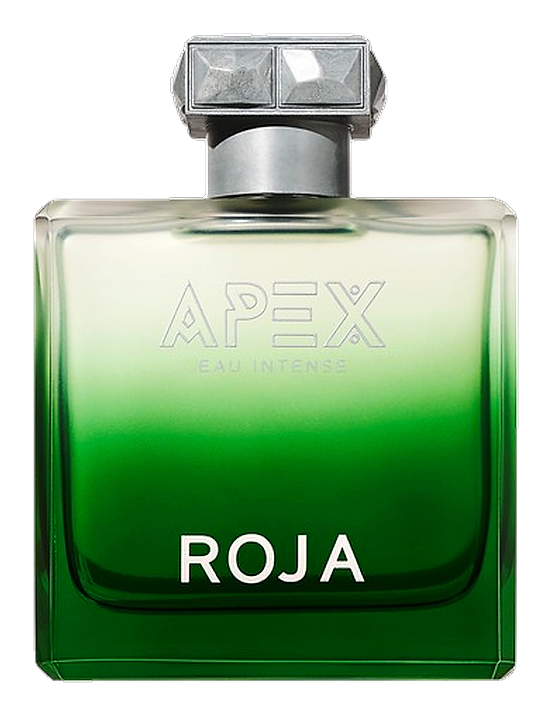
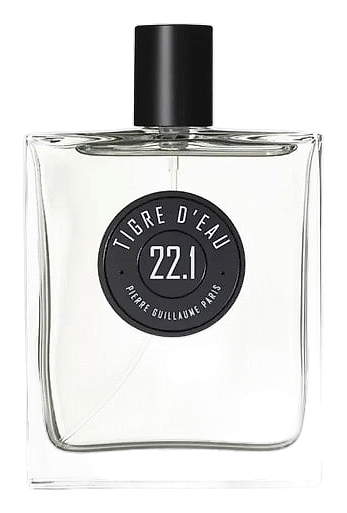
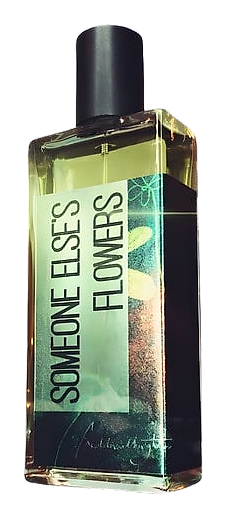
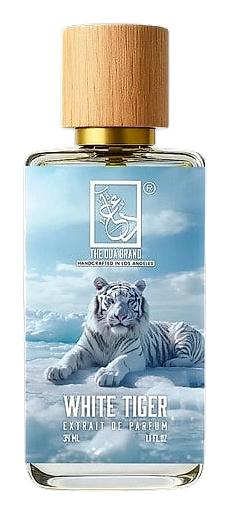
Fragrances featuring Chlorophyll
Brands
Brands known for Chlorophyll
Good to know
Questions, answered
The essentials on Chlorophyll in perfumery: how it smells, where it comes from, and how it behaves on skin.
Is chlorophyll extracted from plants for perfumery?
No, chlorophyll pigment is not extracted for perfumery use. The green-leaf scent comes from synthetic molecules, primarily cis-3-hexenol, which recreate the smell of fresh grass and crushed leaves.
What molecule creates the chlorophyll scent in fragrances?
Cis-3-hexenol (CAS 928-96-1) is the primary molecule. This six-carbon unsaturated alcohol delivers the immediate smell of cut grass. Perfumers often blend it with cis-3-hexenyl acetate and phenylacetaldehyde to build a full green accord.
When did synthetic green notes become common in perfumery?
The 19th century marked the beginning of synthetic fragrance ingredients, with coumarin as the first in 1868. Green synthetics like cis-3-hexenol became reliable tools for perfumers by the mid-20th century.
Does chlorophyll in perfume smell like the pigment?
No. The pigment chlorophyll has no significant fragrance. The green scent in perfumes labeled as chlorophyll comes entirely from synthetic molecules that mimic the smell of fresh-cut grass and green leaves.
What fragrances feature chlorophyll notes prominently?
Chlorophyll appears in many fresh and green fragrances. It pairs well with citrus, aquatic notes, and other green ingredients like galbanum or violet leaf absolute, often appearing in summer scents and modern fragrances.
Why do perfumers use synthetic chlorophyll instead of natural alternatives?
Synthetic production ensures consistency between batches and allows precise control over green intensity. Natural green materials like crushed leaves cannot deliver the same reliability or scalability for commercial fragrance production.
What does cis-3-hexenol smell like?
Cis-3-hexenol smells like freshly cut grass or crushed green leaves. It delivers an immediate, realistic green aroma with watery, dewy undertones. The scent is bright and natural-seeming despite its synthetic origin.
Is chlorophyll considered a natural or synthetic ingredient?
Chlorophyll in perfumery is a synthetic ingredient. While inspired by natural green scents, the molecules are created through laboratory synthesis. Some fragrance houses may describe it as a 'natural identical' compound.