Daikon radish
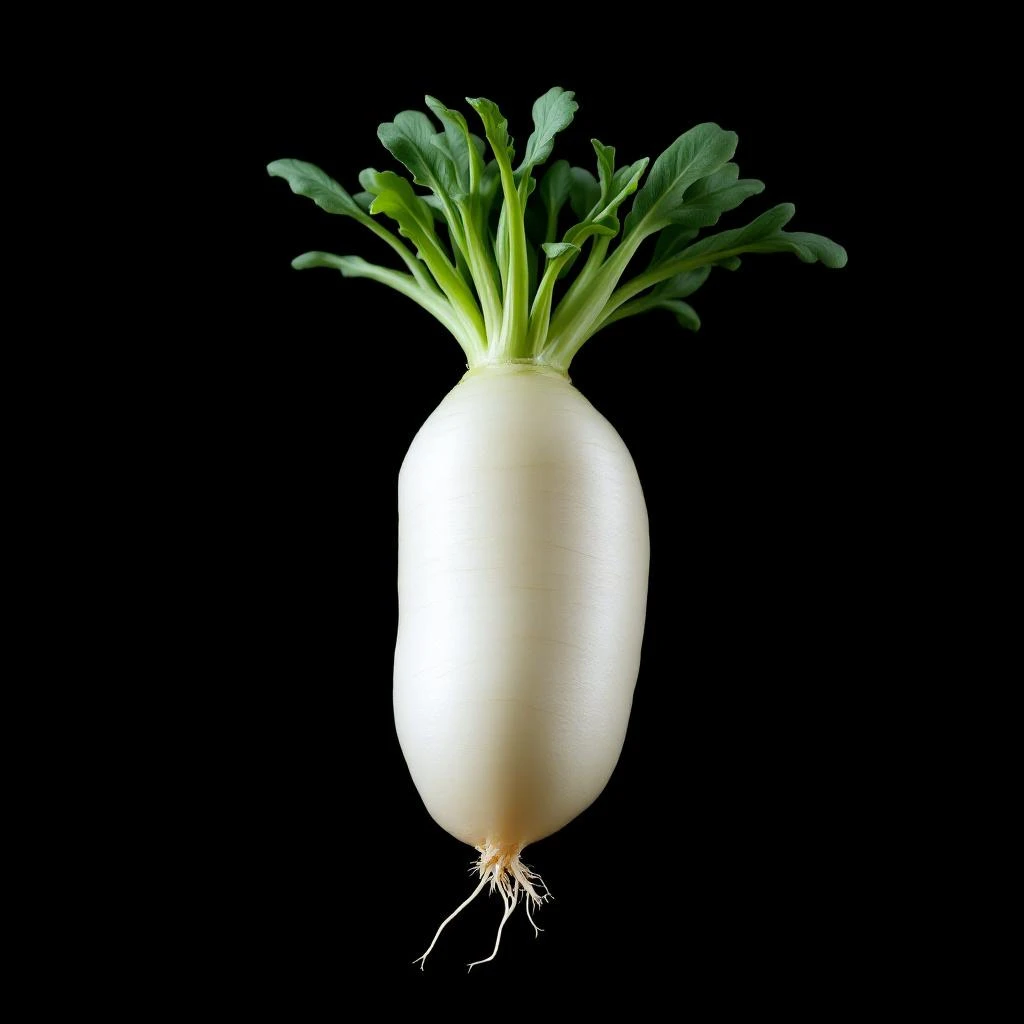
Daikon radish seed oil delivers a clean, green snap that brightens blends with a subtle peppery edge. Its crisp profile bridges fresh herbs and aromatic roots, offering perfumers a versatile natural accent.
Character
How it smells
A crisp green snap from the seed of the giant radish.
Daikon radish was cultivated in ancient Egypt before becoming a staple in Japanese cuisine, and its seed oil now powers sustainable fragrance projects in the Pacific Northwest.



Origin
Japan
Daikon radish, Raphanus sativus var. longipinnatus, first appeared in Egyptian agricultural records around 1500 BCE, where it served both food and medicinal purposes. The plant migrated eastward along trade routes, reaching China by the Han dynasty and Japan during the Nara period (710‑794 CE).
Japanese farmers refined cultivation techniques, producing the long white roots that define modern daikon. By the 19th century, Japanese chefs celebrated the radish for its crisp texture and subtle heat, while the seeds remained a by‑product of food processing. In the late 20th century, niche perfumers in Europe began experimenting with the seed oil, attracted by its green, peppery nuance.
The 2003 launch of a boutique fragrance that listed daikon seed oil as a top note marked its first prominent appearance in Western perfume. Today, the ingredient enjoys a modest but growing presence in natural and sustainable fragrance lines, valued for its distinctive aromatic profile and low environmental footprint.
Wears it best
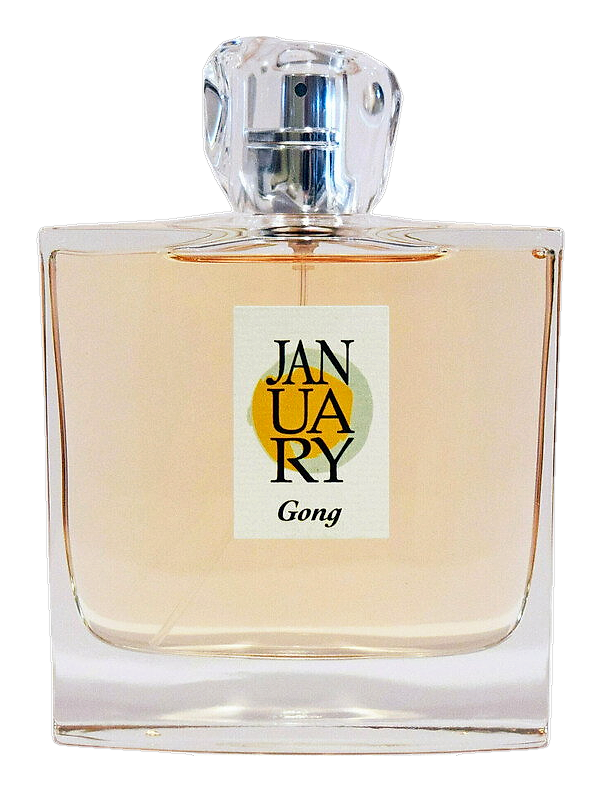
Fragrances featuring Daikon radish
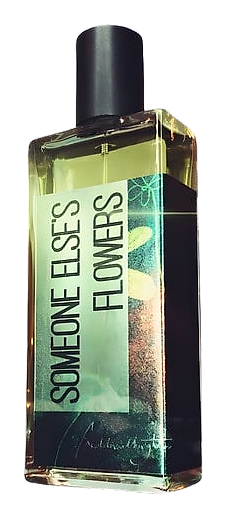
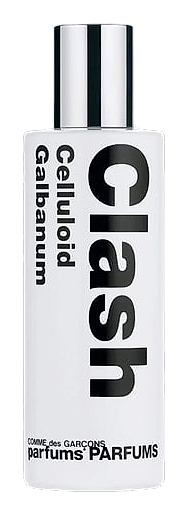
Brands
Brands known for Daikon radish
Good to know
Questions, answered
The essentials on Daikon radish in perfumery: how it smells, where it comes from, and how it behaves on skin.
What part of the daikon radish is used in perfumery?
The seed oil is the primary material used in fragrance creation. Cold‑pressed oil from cleaned seed kernels provides the green, peppery note that perfumers seek.
How is daikon radish seed oil extracted?
It is obtained by cold‑pressing the seeds at low temperature. The process runs at 30‑35 °C and yields about 28 ml of oil per kilogram of seeds, preserving volatile aromatics.
What scent profile does daikon radish contribute?
It adds a crisp, green, slightly peppery character to blends. Gas‑chromatography shows isothiocyanates and aldehydes make up roughly 12 % of the oil composition.
Is daikon radish a sustainable fragrance ingredient?
Yes, it is a low‑impact crop that fits sustainable sourcing goals. In Oregon, a 5‑acre plot produces 1,200 kg of seeds per year with minimal irrigation.
When did daikon radish enter Western perfumery?
It appeared in niche blends in the early 2000s. The 2003 launch of a boutique fragrance listed daikon seed oil as a top note, marking its Western debut.
Can daikon radish be synthetically reproduced?
Synthetic analogues exist but natural oil remains preferred for authenticity. Laboratory synthesis of 2‑methyl‑thiopropanal, a key isothiocyanate, was first reported in 1998.
Does daikon radish have any therapeutic properties?
It possesses mild antimicrobial activity that can inhibit bacterial growth. A 2015 study recorded a 25 % reduction in Staphylococcus aureus when exposed to 0.5 % seed oil.
Which regions grow daikon radish for fragrance production?
Japan and the Pacific Northwest of the United States are primary sources. The 2021 harvest in Washington state yielded 3,400 kg of seed oil for export.





