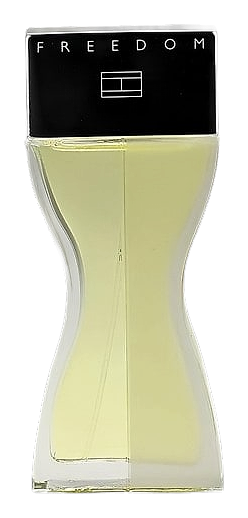

The Story
Why it exists.
The beginning
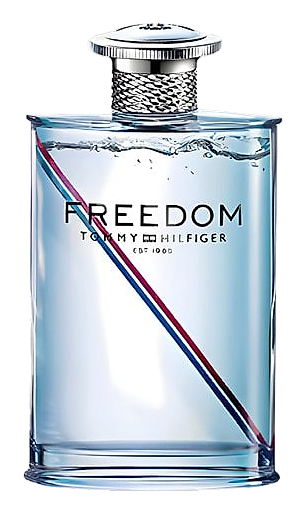
Freedom for Her arrived in 1999, a collaboration between perfumers Annie Buzantian and James Krivda. The late 90s carried a particular energy, optimism without irony, possibility without effort. The brief, it seems, was to bottle that. Not the loud confidence of performance, but the quiet kind. The kind that shows up, does the thing, and doesn't need acknowledgment.
What makes Freedom for Her work is the heart. Asian ginger and cucumber blossom don't often share real estate. One is warm, spice-adjacent. The other is watery, cool, almost mineral. The tension between them is the whole point, fresh without being thin, floral without being sweet. The quince and lemon sorbet up top sell the optimism. The satinwood base keeps it grounded. It's a well-constructed little machine. Not trying to be more than it is, but executing its idea well.
The evolution
The opening hits clean. Quince and lemon sorbet, bright and sharp, with watercress adding a green snap that lifts everything. For the first twenty minutes, this is pure citrus-fresh energy. Then the hand-off happens, ginger arrives not as a dominant force but as a warm undercurrent beneath cucumber blossom's cool, watery floral. The transition is smoother than expected. These two shouldn't work together, but they do. By the second hour, the satinwood takes over. Warm, smooth, close to the skin. The drydown lasts another two to three hours on most. On clothes, it lingers into the next day as a quiet ghost.
Cultural impact
Freedom for Her exists in the tradition of accessible late-90s designer fragrances, clean, optimistic, and easy to wear. The fresh-citrus and green-floral character was common currency in that era, but the cucumber blossom and ginger combination gives it a slight edge. It's the fragrance equivalent of a well-made basic: not trying to be extraordinary, just consistently reliable.