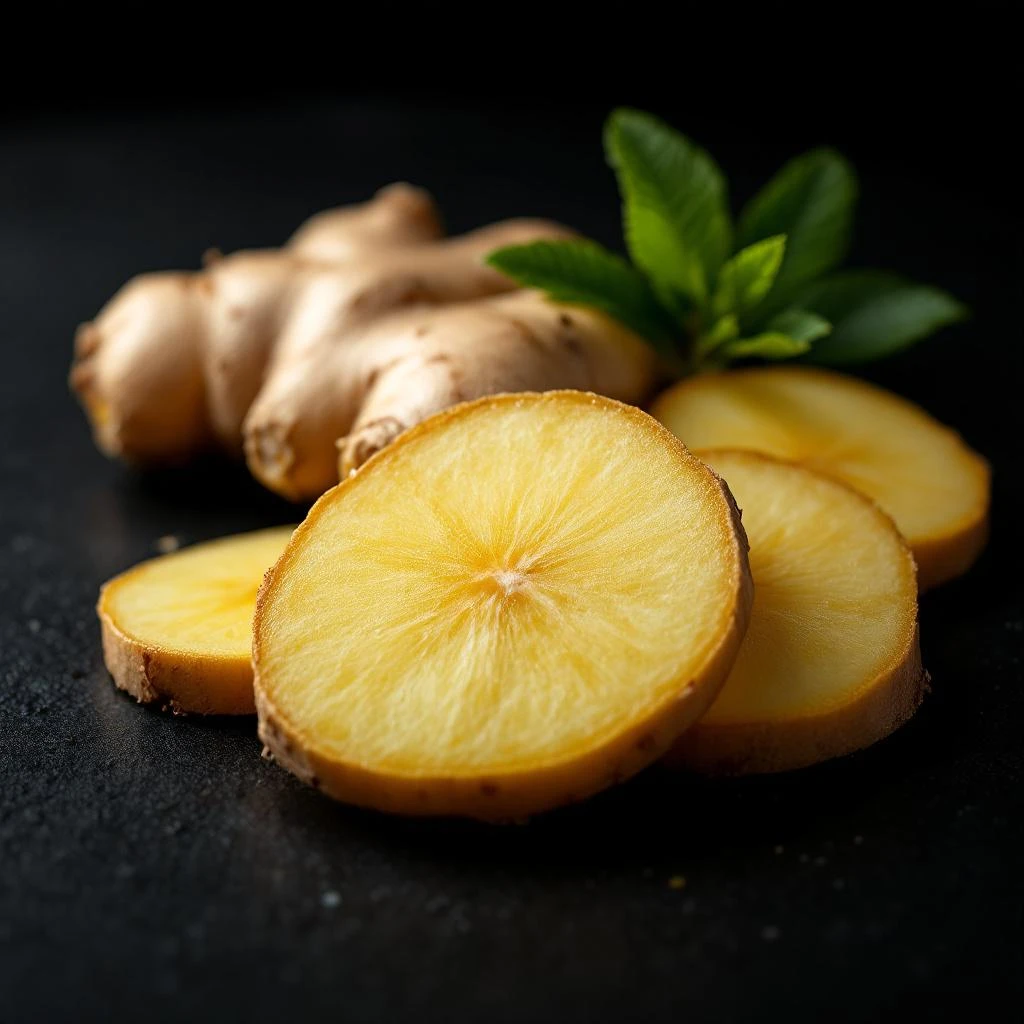
Asian Ginger
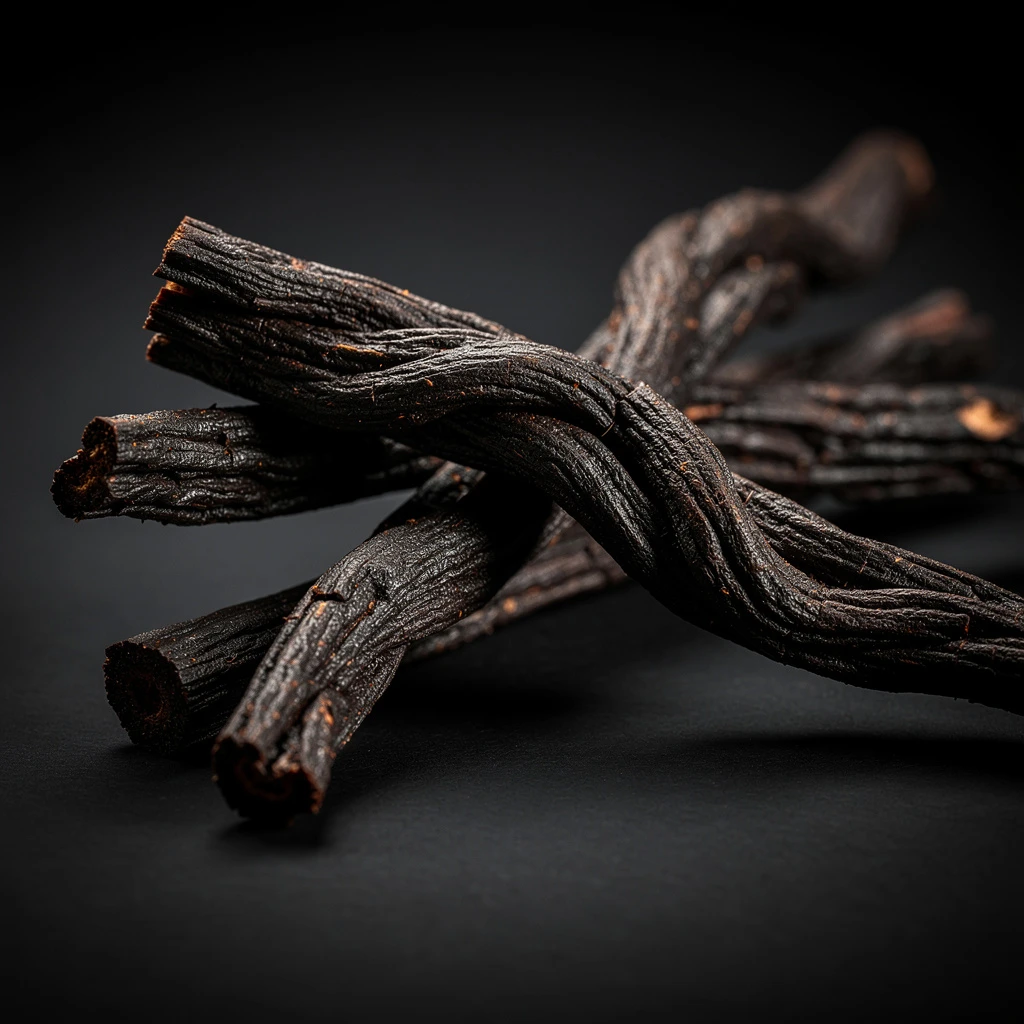
Asian ginger brings a sharp, citrusy-spicy warmth to fragrances. Native to South and Southeast Asia, this rhizome has transitioned from ancient medicine cabinet staple to modern perfumery's secret weapon for energy and vitality.
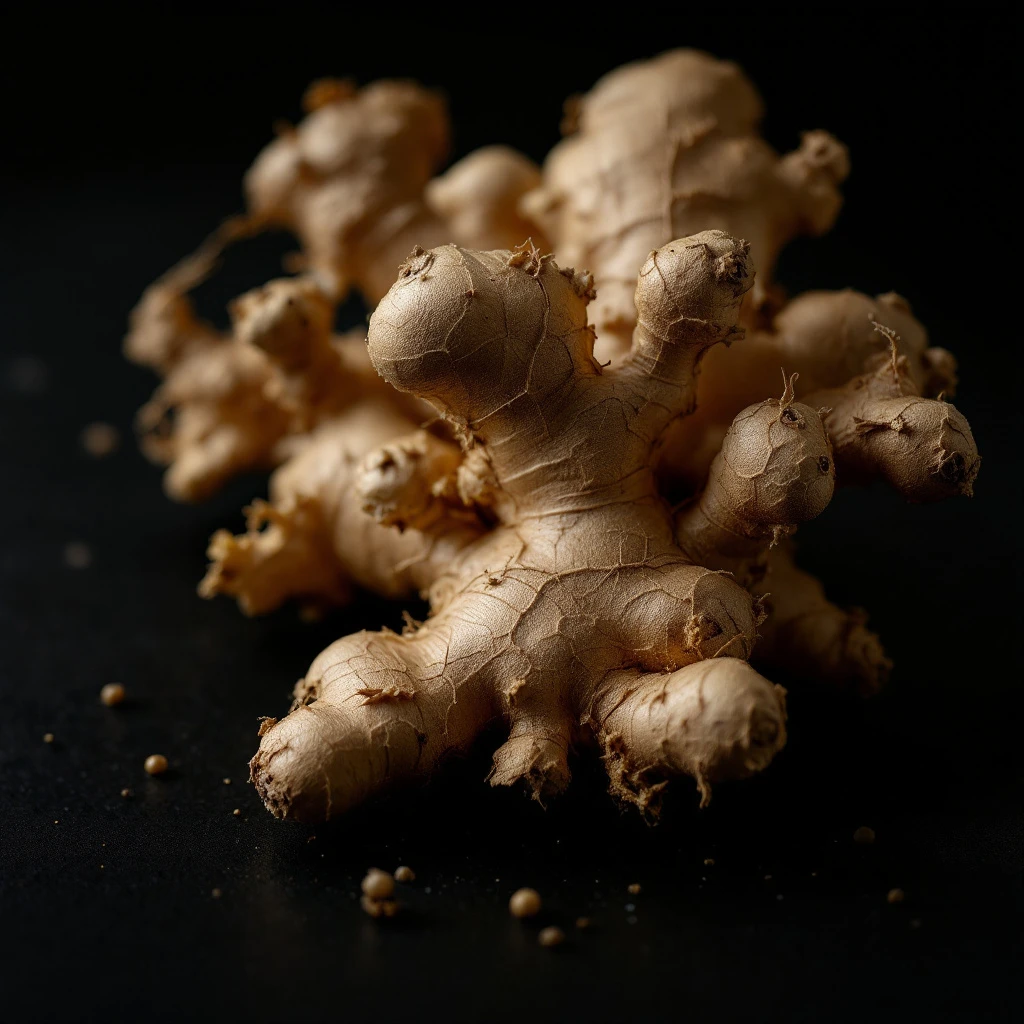
Character
How it smells
The spice that wakes fragrance alive.
Ancient Romans paid more for ginger than for silver by weight, valuing it as a luxury aromatic.

Origin
India
Ginger ranks among humanity's oldest cultivated aromatic plants, with documented use in China dating to the 2nd millennium BCE. Sanskrit texts reference ginger as "viswabhesaj" - a universal medicine - reflecting its sacred status in ancient Indian healing traditions. The spice arrived in the Mediterranean world through thriving Arab trade networks, quickly captivating Greek and Roman appetites.
Pliny the Elder described ginger in his Natural History, noting its rarity and value. Medieval European merchants prized ginger highly, incorporating it into sweet preparations and medicinal tonics. The spice trade eventually democratized access, but ginger never lost its exotic appeal.
Perfumery adopted ginger more recently, with 20th-century fragrance houses recognizing the rhizome's remarkable ability to inject freshness and warmth simultaneously - a rare combination that proved irresistible for modern compositions emphasizing energy and vitality.
Wears it best
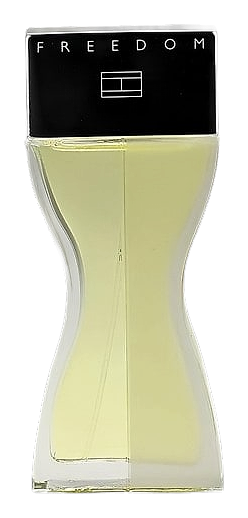
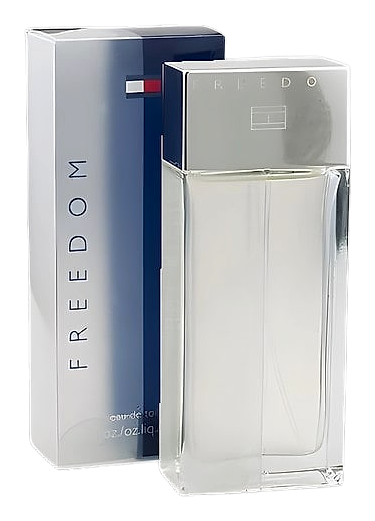
Fragrances featuring Asian Ginger
Brands
Brands known for Asian Ginger
Good to know
Questions, answered
The essentials on Asian Ginger in perfumery: how it smells, where it comes from, and how it behaves on skin.
What does Asian ginger smell like in perfume?
Asian ginger opens with bright, citrusy-spicy freshness before settling into deeper warm-woody undertones. It reads as cleaner and more refined than culinary ginger, lending fragrances an energetic quality without harshness.
Which countries produce the best ginger for perfumery?
Madagascar dominates global production and quality, responsible for roughly 50% of worldwide supply. Chinese and Indian ginger offer distinct aromatic profiles favored by different perfumery traditions for specific fragrance families.
How long has ginger been used in perfumery?
Ginger entered fine perfumery primarily in the late 20th century, though aromatic use dates back millennia. Perfumers adopted it as Western tastes shifted toward fresher, more dynamic fragrance profiles in the 1990s.
Is Asian ginger oil natural or synthetic?
Both versions exist commercially. Natural ginger essential oil comes from steam distilling the rhizome. Synthetic versions reproduce key aromatic molecules like zingiberene but lack the complexity of natural extraction.
What fragrance families pair well with ginger?
Ginger excels in oriental and spicy compositions, adding lift to heavy bases. It also appears in fresh fougère and citrus colognes, where its warmth prevents sharpness from becoming harsh or one-dimensional.
What part of the ginger plant is used in perfumery?
Only the rhizome - the underground stem structure - yields usable aromatic material. The aerial plant produces fragrant flowers, but these remain too delicate for commercial fragrance extraction.
Can ginger note trigger allergic reactions?
Ginger contains naturally occurring compounds that some regulatory bodies flag for potential sensitization. IFRA guidelines govern maximum concentrations in finished products, ensuring consumer safety while preserving aromatic integrity.
Does ginger work in both men's and women's fragrances?
Ginger reads as gender-neutral in modern perfumery. Its versatility allows it to energize masculineoriental bases equally well as it brightens feminine florals - the note adapts to its compositional context rather than defining gender.