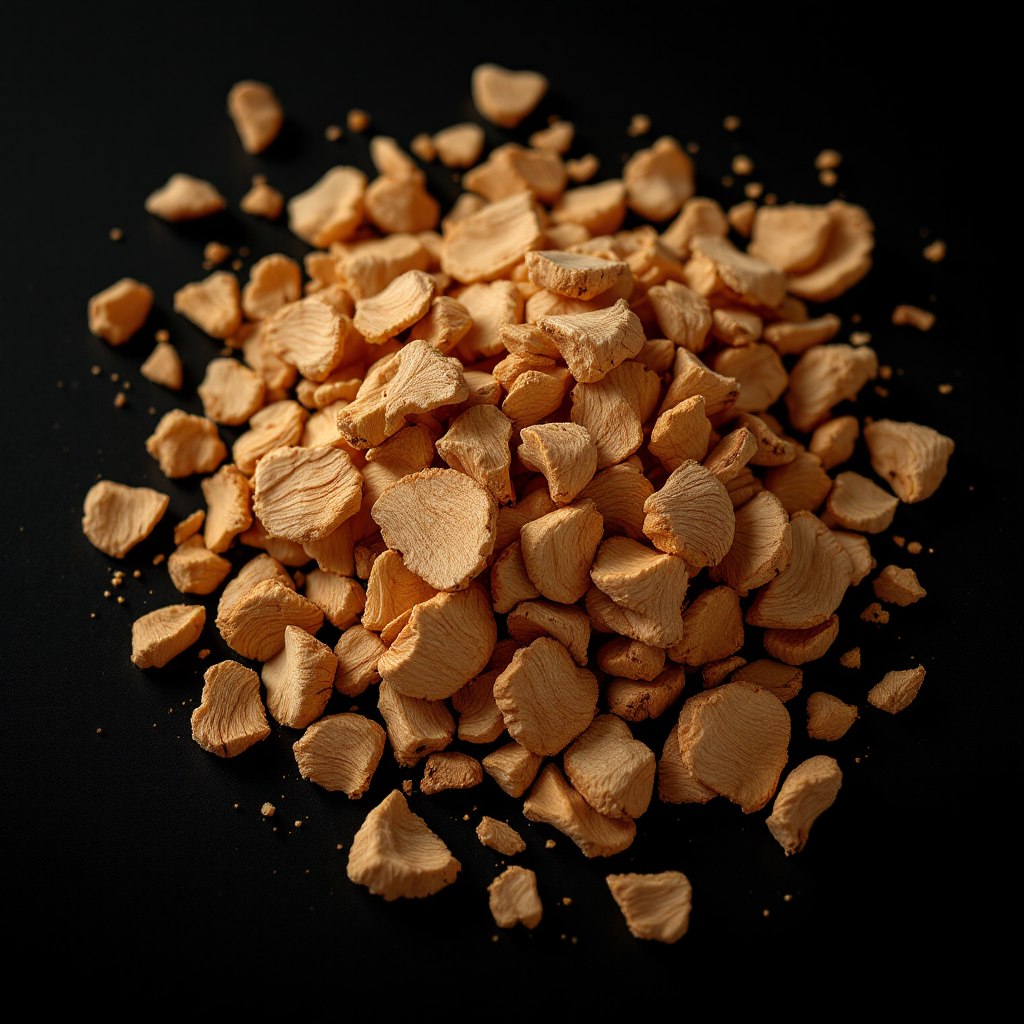
Satinwood
Satinwood delivers warm, creamy, and subtly sweet woody nuances that lend depth to oriental and woody fragrance compositions. This tropical heartwood has been prized in perfumery for generations.
Character
How it smells
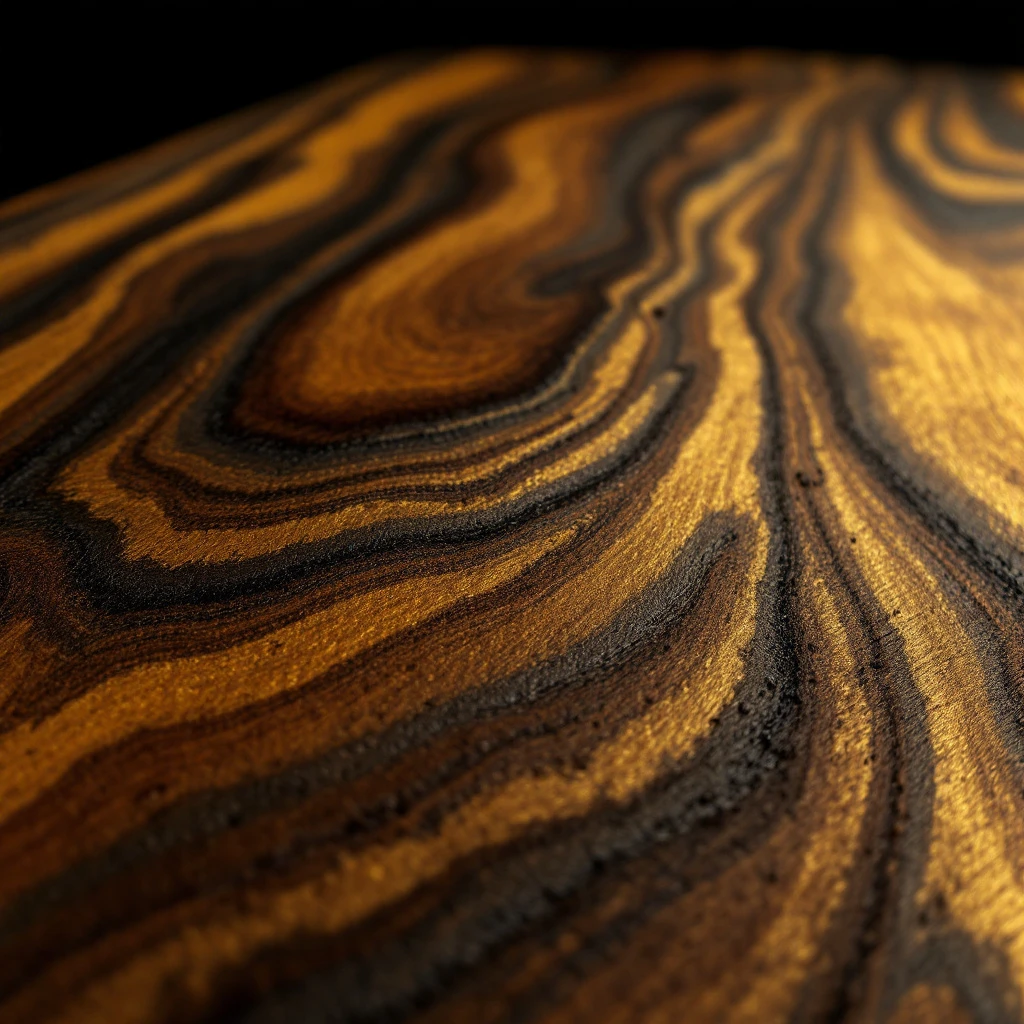
Warm, buttery wood with a silken finish.
The name derives from the wood's highly prized texture, which resembles woven silk fabric.




Origin
India
Satinwood comes from the Chloroxylon swietenia tree, native to the forests of India and Sri Lanka. Traditional medicine practitioners in these regions used satinwood preparations for centuries before perfumers discovered its aromatic potential. During the colonial period, British and European traders began exporting satinwood for furniture crafting, but fragrance producers soon recognized the wood's unique olfactory qualities.
The ingredient became particularly valued in oriental perfumery during the early twentieth century, where its warm, creamy profile added richness to complex fragrance constructions. Contemporary perfumers continue to incorporate satinwood into signature compositions, drawn by its distinctive satiny warmth and lasting dry-down characteristics.
Wears it best
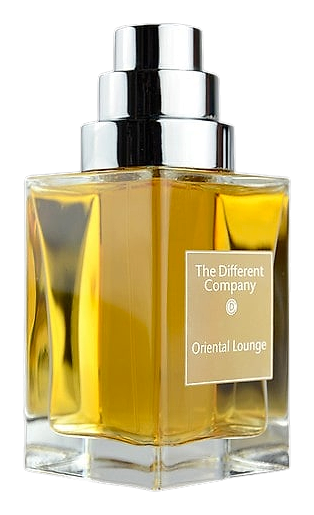
Fragrances featuring Satinwood

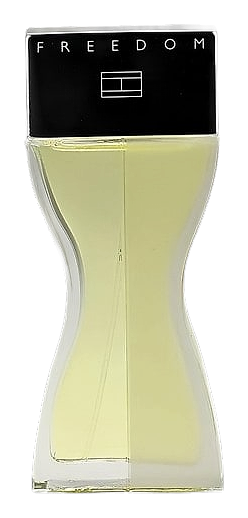
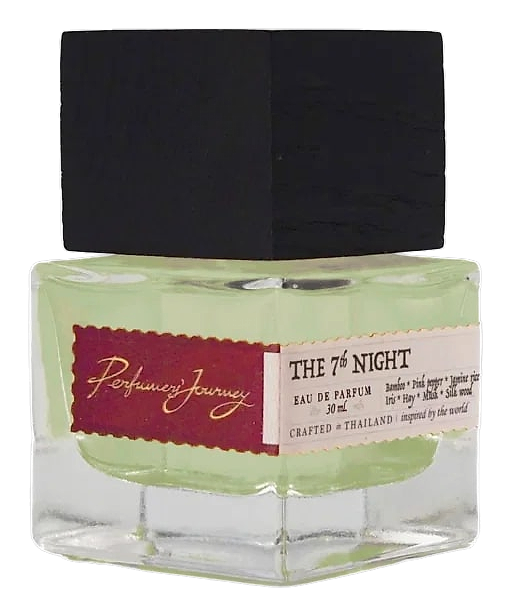
Brands
Brands known for Satinwood
Good to know
Questions, answered
The essentials on Satinwood in perfumery: how it smells, where it comes from, and how it behaves on skin.
What does satinwood smell like?
Satinwood offers warm, creamy, and slightly sweet woody nuances with buttery undertones. It adds depth and a distinctive silken quality to fragrance compositions.
Where does satinwood come from?
Satinwood originates from the Chloroxylon swietenia tree, which grows natively in India and Sri Lanka. The heartwood of these tropical trees provides the aromatic material.
How is satinwood oil produced?
Producers extract satinwood oil through steam distillation of dried and ground heartwood. This process takes several hours and yields a viscous, golden oil.
What fragrance families use satinwood?
Satinwood appears primarily in oriental and woody fragrance families. Perfumers value it for adding warmth, creaminess, and a distinctive satiny quality to these compositions.
Is satinwood a natural ingredient?
Satinwood is a completely natural ingredient sourced from the heartwood of tropical Chloroxylon trees. No synthetic alternatives match its complete aromatic profile.
Does satinwood blend well with other ingredients?
Satinwood blends exceptionally well with other woody materials such as sandalwood and cedar, plus oriental base notes. It adds complexity without overpowering lighter top notes.
What role does satinwood play in fragrance dry-down?
In fragrance development, satinwood contributes warmth and creaminess during the dry-down phase. Its woody character provides lasting depth and a smooth, silken finish.
How long has satinwood been used in perfumery?
Perfumers have incorporated satinwood into fragrance compositions since the early twentieth century. Traditional medicine in India and Sri Lanka used the wood for centuries before perfumers adopted it.