Oriental lily
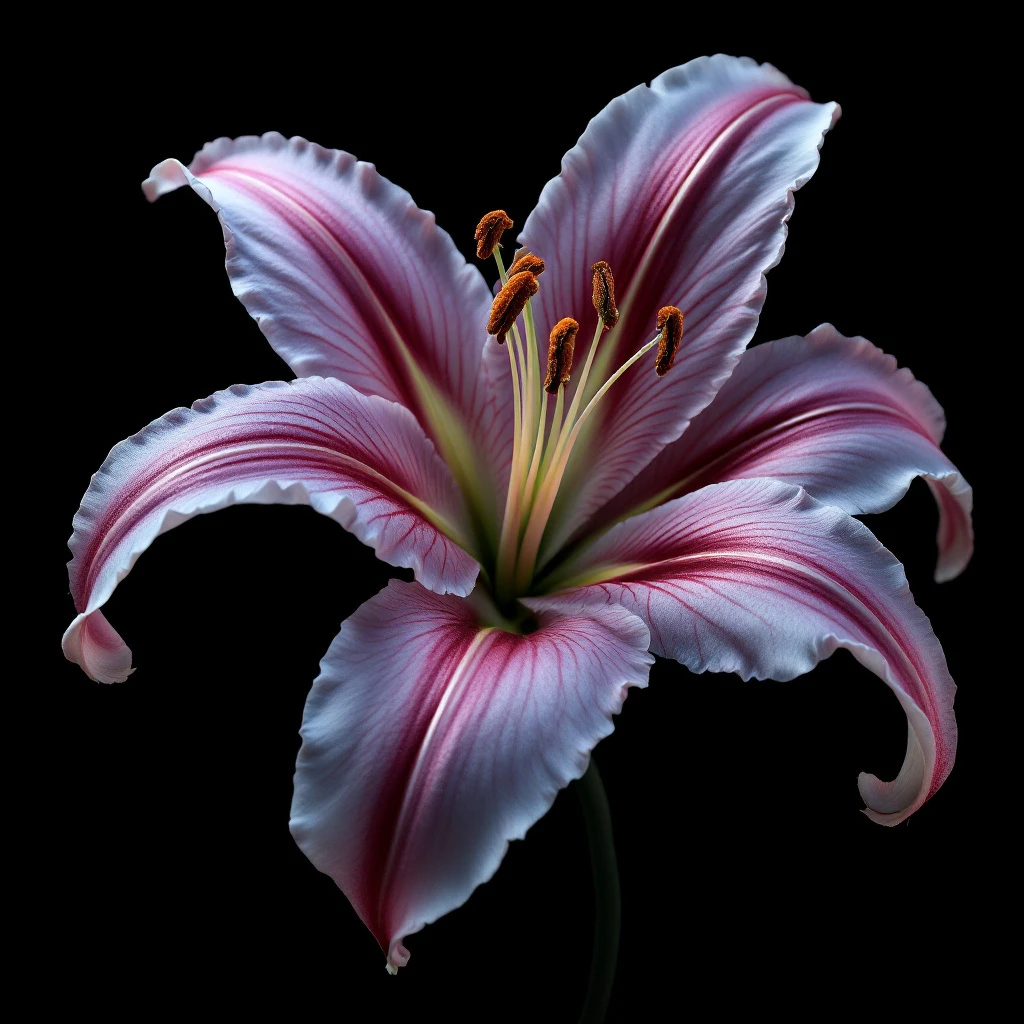
Oriental lily brings a lush, creamy floral presence to fine fragrance, combining fresh green tones with a velvety sweetness that anchors heart notes. Though true lily absolute proves challenging to extract, perfumers reconstruct its essence using key aroma compounds like hydroxycitronellal for consistent, radiant results.
Character
How it smells
Creamy floral with fresh green undertones.
True lily absolute is so difficult to extract that perfumers typically recreate its scent using hydroxycitronellal, an aroma chemical that captures its signature freshness.



Origin
Netherlands
Lilies have held symbolic importance across ancient civilizations, from Egyptian tomb paintings to Greek mythology where lilies adorned Hera's throne. However, the specific use of Oriental lilies in perfumery emerged more recently, driven by Dutch and Japanese horticulturists who cultivated large-flowered Lilium auratum and Lilium speciosum varieties prized for their intense fragrance. The 19th century marked a turning point when French perfumers began systematically exploring dramatic white and pink Oriental lily cultivars for their rich scent profiles.
These flowers became central to the development of floral oriental fragrances, influencing compositions from Guerlain to modern niche houses. Despite their cultural prominence, the gap between what lilies smell like in a garden and what perfumers could extract remained large until aroma chemistry advanced enough to reliably reconstruct their essence.
Wears it best
Fragrances featuring Oriental lily

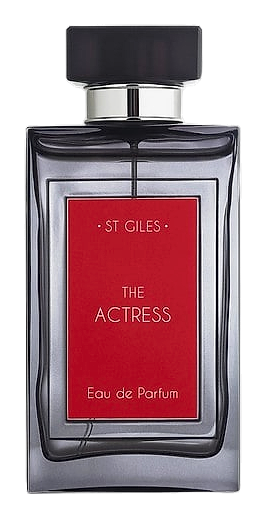
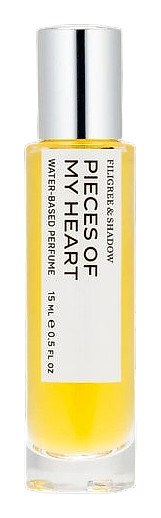
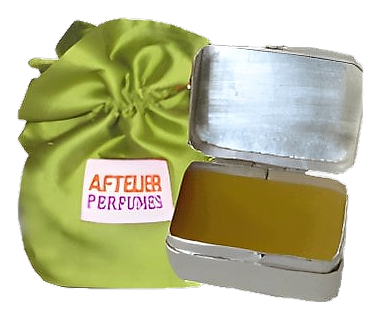
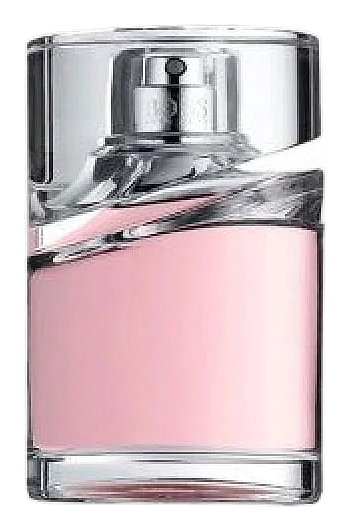
Brands
Brands known for Oriental lily
Good to know
Questions, answered
The essentials on Oriental lily in perfumery: how it smells, where it comes from, and how it behaves on skin.
What does Oriental lily smell like in perfume?
Oriental lily registers as fresh, green, and creamy with a velvety floral sweetness. It adds body to heart notes without overwhelming lighter top ingredients.
Is Oriental lily a natural or synthetic fragrance ingredient?
Most modern lily notes are synthetic reconstructions using aroma chemicals like hydroxycitronellal because natural lily absolute is impractical to produce in volumes perfumery requires.
Which fragrance families pair with Oriental lily?
Oriental lily works across floral, chypre, and oriental families. It performs especially well alongside jasmine, rose, and warm wood bases like sandalwood.
Can Oriental lily work as a standalone note?
Lily functions better in combination, where its green-creamy character amplifies accompanying florals and provides a bridge between top notes and deeper base ingredients.
How does Oriental lily affect overall fragrance performance?
Oriental lily contributes radiance and opacity to the heart of a composition, extending the perceptible presence of floral notes and creating rounder, more persistent sillage.
What aroma chemicals create the Oriental lily effect?
Hydroxycitronellal delivers the characteristic fresh-green lily character while synthetic lilial and cyclamen derivatives add watery, dewy facets that complete the impression.
Why do perfumers use synthesis instead of natural lily?
Harvesting lily petals for extraction yields minimal material, and the fragrance compounds degrade rapidly. Synthesis provides reproducible quality and sufficient volume for commercial perfumery.
How does Oriental lily differ from lily of the valley?
Lily of the valley is lighter, more aquatic, and distinctly green, while Oriental lily carries broader floral impact with creamy warmth. Perfumers blend them intentionally for contrast.