Apricot Skin
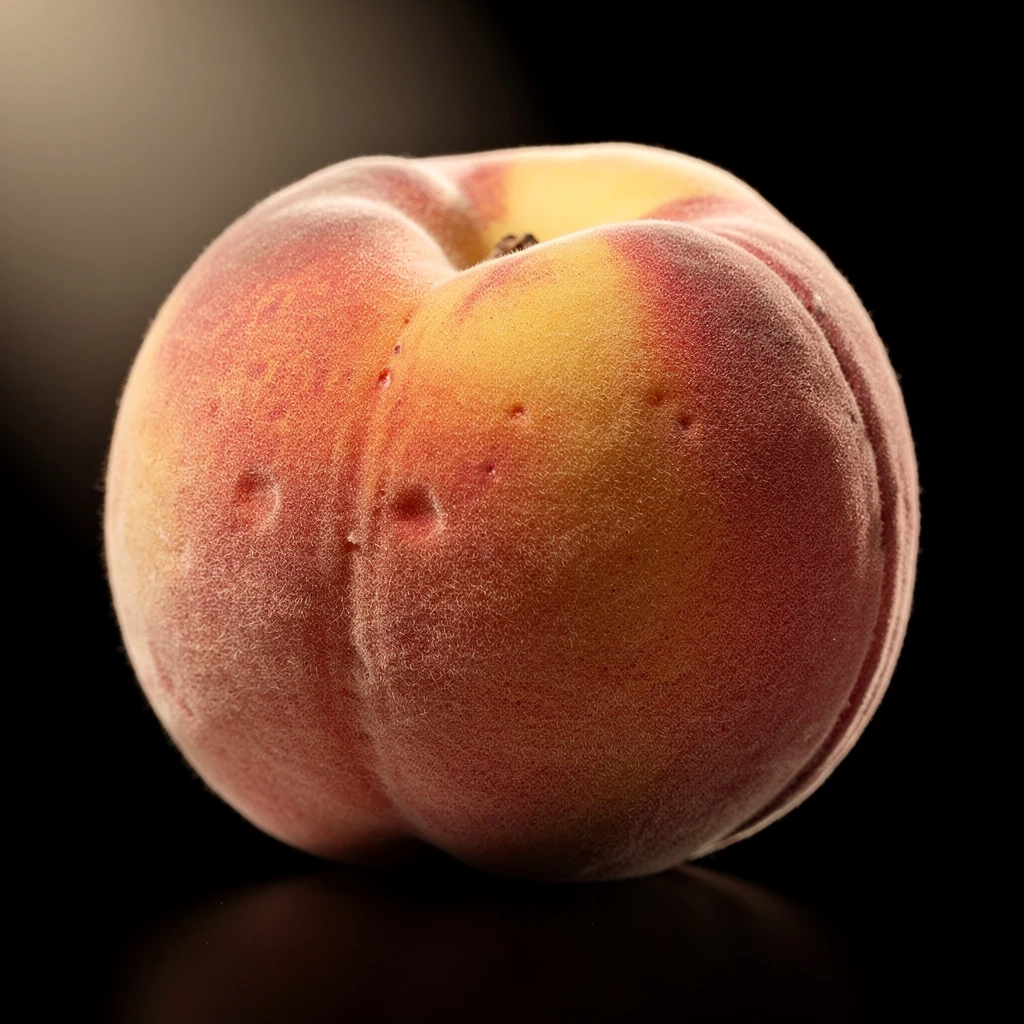
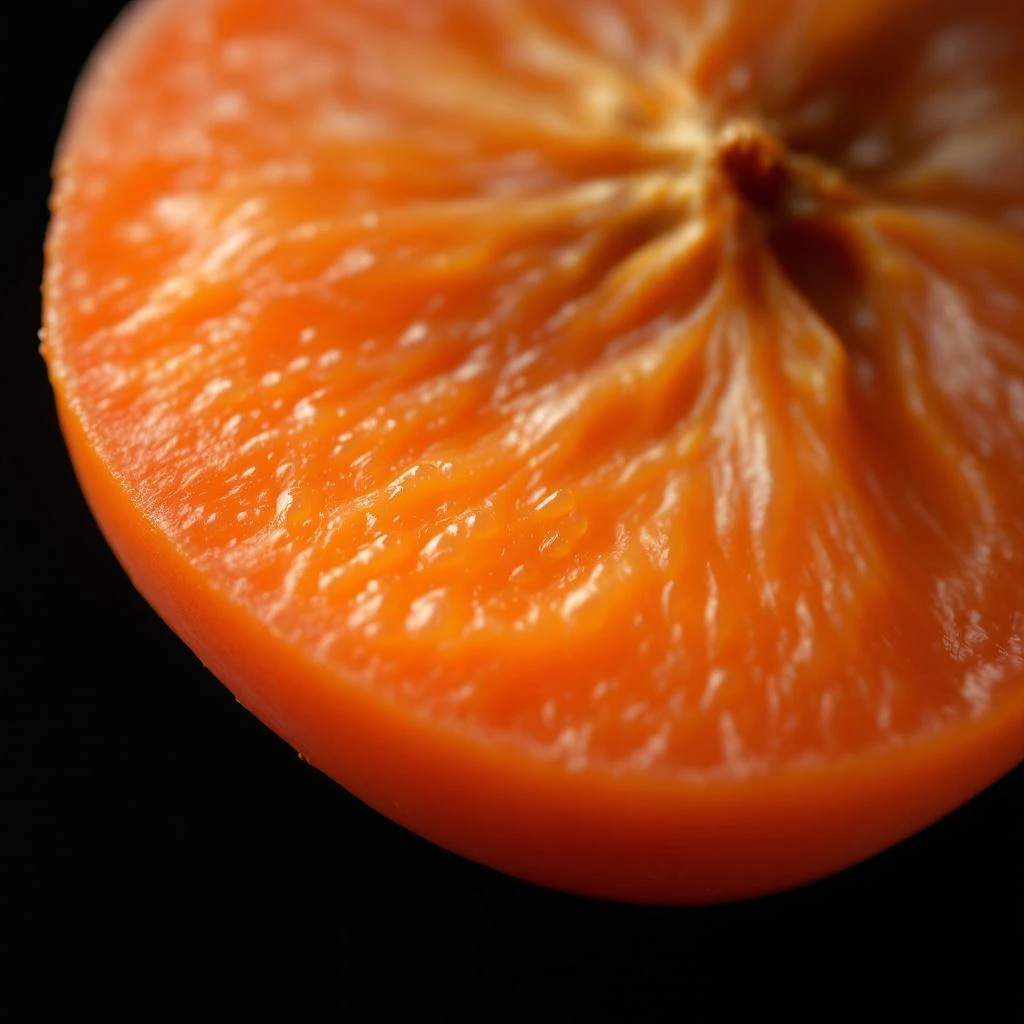
Sun-warmed and velvety, apricot skin delivers tender sweetness with a subtly tart edge that adds realism and warmth to fragrance compositions.
Character
How it smells
Velvety sweetness with a tart wink
Apples get all the attention, but apricots were the first stone fruit honored in Western perfume recipes, appearing in Arab formulations centuries before modern perfumery existed.






Origin
Turkey
Apricots trace their aromatic history through one of the oldest documented perfume traditions on record. The ninth-century Arab perfumer Al-Kindi listed apricot among ingredients in his formularies, some of the earliest written perfume recipes in Western history.
The fruit originated in the mountainous regions of China, traveled the Silk Road through Central Asia, and arrived in the Mediterranean via Arab traders by the twelfth century. Unlike rose or jasmine, which had established extraction traditions, apricot never developed a reliable solvent extraction method for its skin character.
Perfumers working in the classical Arab tradition likely used the fruit fresh or steeped in oil, a practice that faded as alcohol-based perfumery emerged in Europe. Modern synthetic apricot therefore represents both a technical achievement and a historical gap: we can reconstruct what Al-Kindi smelled, but only through laboratory chemistry.
Wears it best
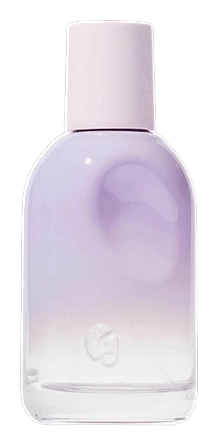
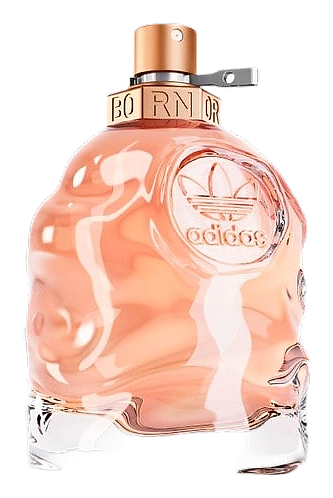
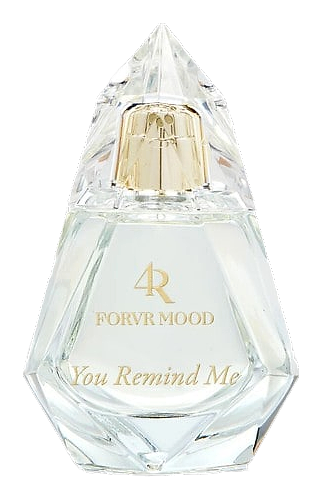
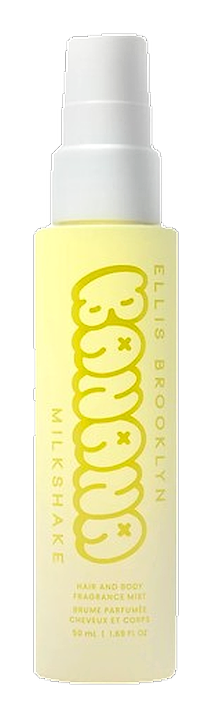
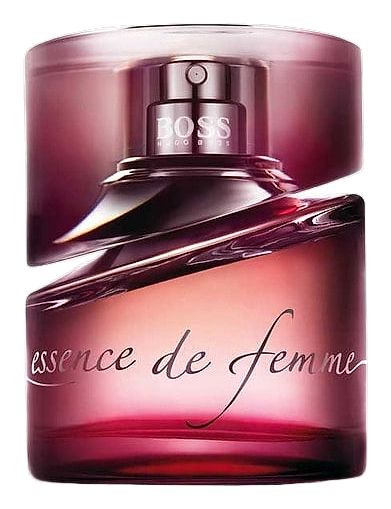
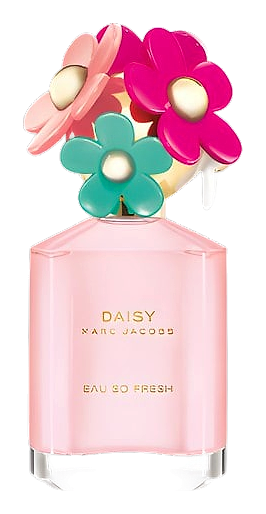
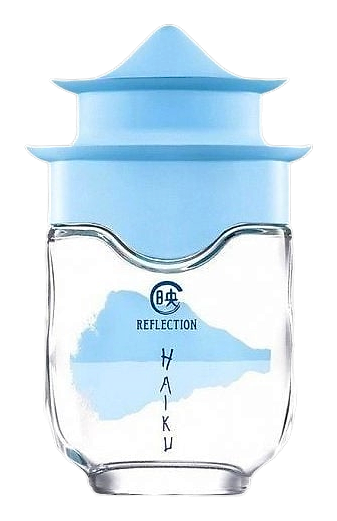
Fragrances featuring Apricot Skin



Brands
Brands known for Apricot Skin
Good to know
Questions, answered
The essentials on Apricot Skin in perfumery: how it smells, where it comes from, and how it behaves on skin.
Is apricot skin a natural or synthetic ingredient?
Apricot skin is almost always synthetic. No commercial natural extraction captures the scent of apricot skin. Perfumers use lactone and aldehyde compounds to reconstruct the note.
What does apricot skin smell like?
It smells like the tender, warm skin of a ripe apricot: soft, sweet, and slightly tart with a velvety quality that adds natural realism to any fragrance.
Is there a natural apricot extract used in perfumery?
No standard natural extraction exists for apricot skin specifically. Apricot kernel oil, pressed from the pits, is used as a carrier oil but carries minimal fragrance value.
When was apricot first used in perfumery?
Apricot appears in ninth-century Arab perfume recipes recorded by Al-Kindi, making it one of the earliest stone fruits incorporated into Western fragrance traditions.
Why do perfumers prefer synthetic apricot over natural extracts?
Natural apricot lacks a reliable extraction method that preserves its delicate skin character. Synthetics offer consistency, shelf stability, and precise control over the fruity, slightly tart profile.
Which molecules create the apricot skin scent?
Gamma-decalactone is the primary molecule, delivering creamy stone fruit sweetness. Ethyl maltol adds jammy depth, while aldehydes introduce the faint waxy tartness of fruit skin.
What fragrance families use apricot skin?
Fruity chypres, soft florals, and skin scents frequently feature apricot skin. It works well with musk, rose, and warm woods as a bridge between sweet and green.
Which countries produce natural apricot for perfumery?
Turkey leads global production, followed by Uzbekistan and Iran. Spain also cultivates apricots, though no country produces a commercial apricot skin extract.