Cucumber Blossom
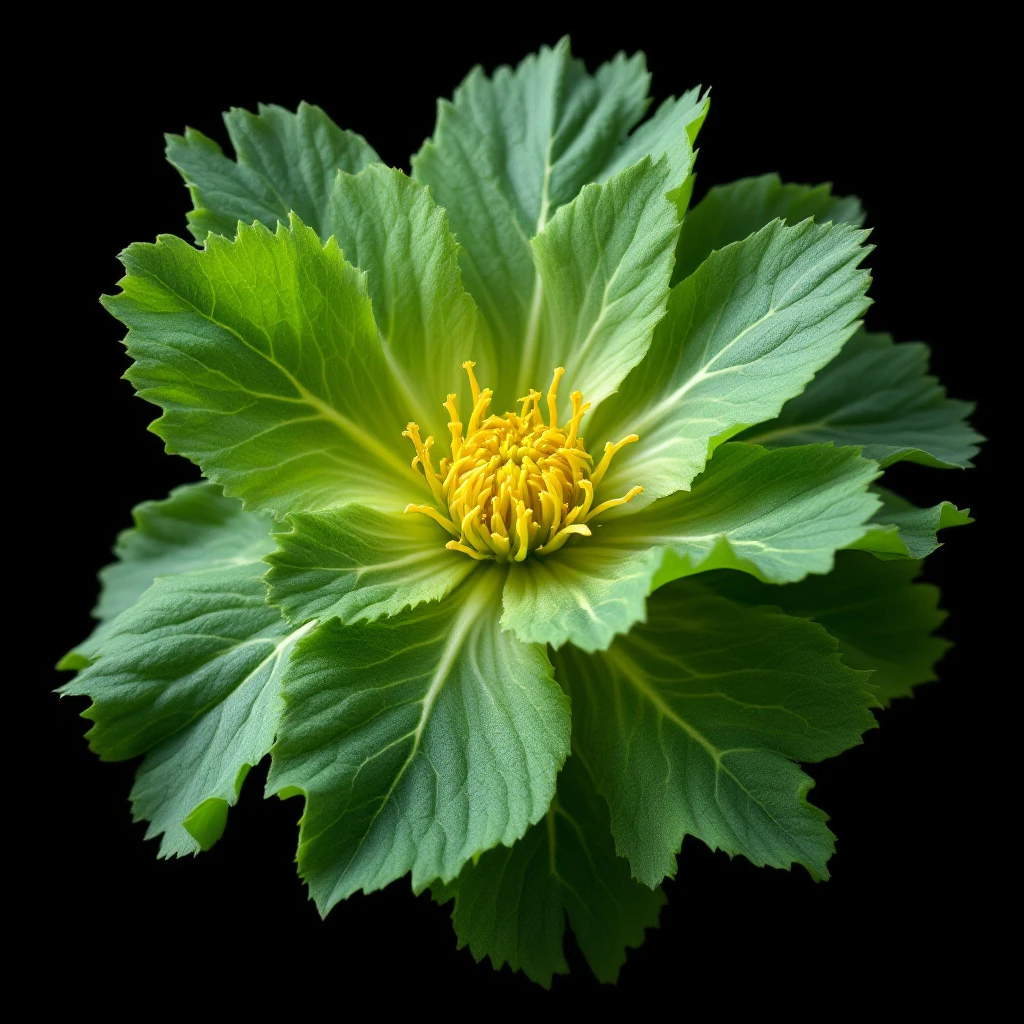
Cucumber Blossom captures the ephemeral elegance of the cucumber plant's flowering phase—a rare, delicate floral note prized for its cool, green-fresh character that brings instant brightness to fragrance compositions.
Character
How it smells
Cool, fresh, and surprisingly floral.
A single cucumber plant produces both male and female flowers, but only the female blossoms develop into fruit—making the blossom itself an exceptionally fleeting ingredient.






Origin
India
While cucumbers have been cultivated for over 3,000 years across South Asia, the cucumber blossom itself remained largely absent from traditional perfumery traditions. The ingredient’s modern history begins in the 1970s when Swiss fragrance houses Firmenich and Givaudan independently synthesized cucumber aldehyde—a breakthrough that introduced the cool, fresh quality now synonymous with modern aquatic fragrances. This innovation arrived during perfumery’s shift toward fresh, clean scent profiles that would define the late 20th century.
Before this synthetic breakthrough, perfumers approximated cucumber’s freshness through combinations of melon, green notes, and aquatic accords. Today, cucumber blossom—whether sourced as a rare natural absolute or recreated through synthetic chemistry—represents a defining note of contemporary freshness in fine fragrance.
Wears it best
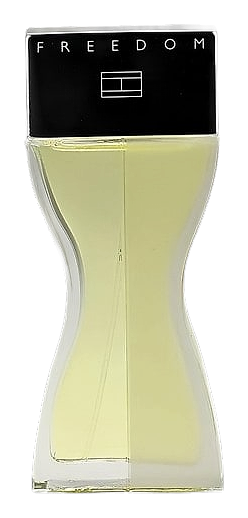
Fragrances featuring Cucumber Blossom


Brands
Brands known for Cucumber Blossom
Good to know
Questions, answered
The essentials on Cucumber Blossom in perfumery: how it smells, where it comes from, and how it behaves on skin.
Is cucumber blossom a natural or synthetic ingredient?
Most cucumber blossom notes in perfumery are synthetic, created using cucumber aldehyde developed in the 1970s. True cucumber blossom absolute exists but remains exceptionally rare due to the flower’s minimal yield.
What does cucumber blossom smell like?
Cucumber blossom offers a cool, watery-fresh aroma with delicate floral undertones. It smells like the moment you cut into a perfectly ripe cucumber, with a subtle green dewiness that distinguishes it from purely aquatic notes.
What fragrances feature cucumber blossom prominently?
Cucumber blossom appears frequently in aquatic and fresh chypre fragrances. Its cool quality pairs well with green notes like galbanum, citrus, and white musks to create bright, clean scent profiles.
When was cucumber aldehyde first used in perfumery?
The first synthetic cucumber aldehyde appeared in perfumery during the 1970s. Swiss houses Firmenich and Givaudan pioneered its development, introducing the cool, fresh quality that would reshape aquatic fragrance categories.
Can cucumber blossom be extracted from actual flowers?
Yes, though extremely rare. Solvent extraction can yield a cucumber blossom absolute, but the flower’s delicate structure and minimal oil content make natural extraction commercially impractical for most fragrance houses.
What fragrance families pair well with cucumber blossom?
Cucumber blossom excels in aquatic, green, and fresh chypre compositions. It complements citrus, white florals, and ozonic notes while adding freshness to warmer bases of musk and wood.
Does cucumber blossom have historical significance in traditional perfumery?
Unlike rose or jasmine, cucumber blossom has no historical tradition in perfumery. Its modern introduction in the 1970s marked perfumery’s embrace of synthetic innovation to create entirely new scent categories.
Is cucumber blossom considered a top, middle, or base note?
Cucumber blossom functions primarily as a top note due to its light, volatile character. It provides immediate freshness upon application but dissipates relatively quickly, making it ideal for creating initial impact in fragrance openings.