Lemon sorbet
Lemon sorbet is a synthetic perfumery accord that blends bright citrus with cool, frosty undertones to evoke frozen citrus desserts. It functions as a top-to-heart note, delivering an immediate burst of freshness that fades gracefully. The accord is prized for lending formulations a clean, sparkling quality without the weight of natural citrus.

Character
How it smells
Citrus sparkle captured in frost — cool, bright, irresistibly fresh
Lemon sorbet accords often contain Calone (乙基壬酮), a synthetic molecule discovered in the 1960s that adds a distinctive cool, watery character mimicking the sensation of chilled citrus.








Origin
Italy
The concept of lemon sorbet in perfumery emerged from the intersection of culinary and fragrance traditions spanning centuries. Ancient Romans used lemon rind in perfumed oils, establishing an early bridge between flavors and scents.
By the 12th century, Arabian physicians pioneered distillation techniques that would later influence aromatic preservation. Sicily became central to lemon cultivation and aromatic research, with documented lemon oil processing dating to 1780.
Modern perfumery synthesized these traditions, creating accords that translate culinary experiences like frozen desserts into olfactory form. The rise of synthetic chemistry in the 20th century enabled perfumers to capture nuanced sensations, including the cool, sparkling quality that defines sorbet, with remarkable precision.
Wears it best
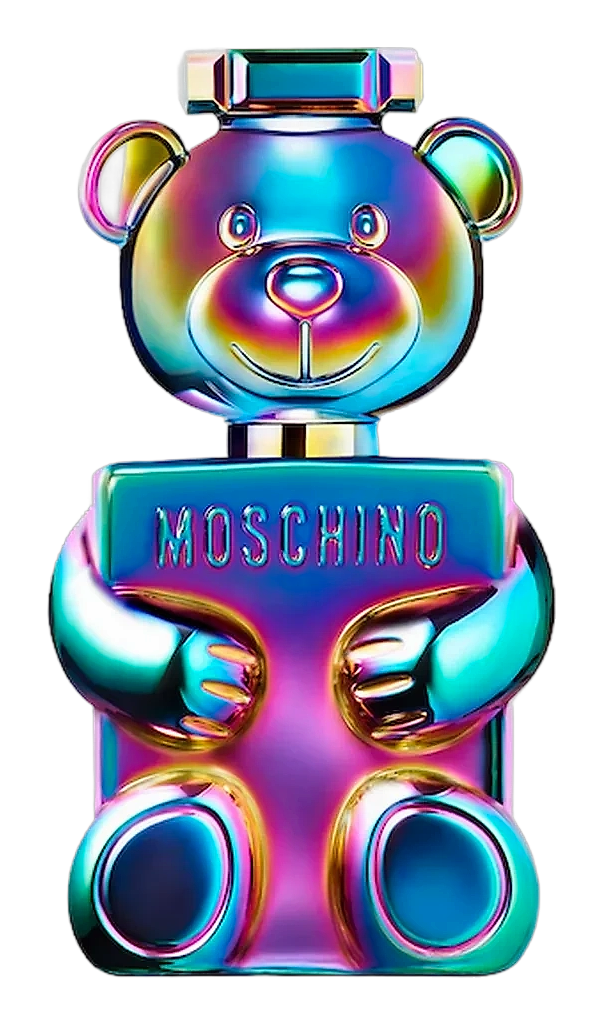
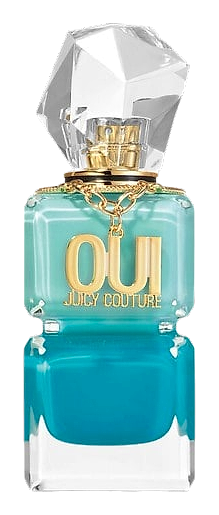
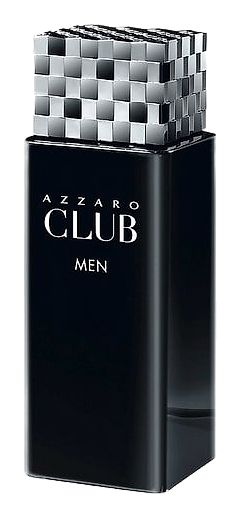
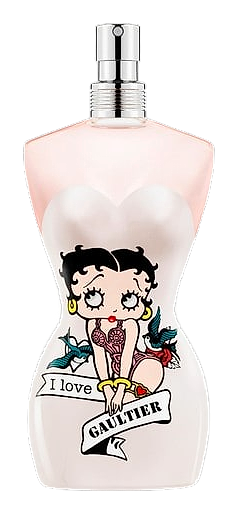
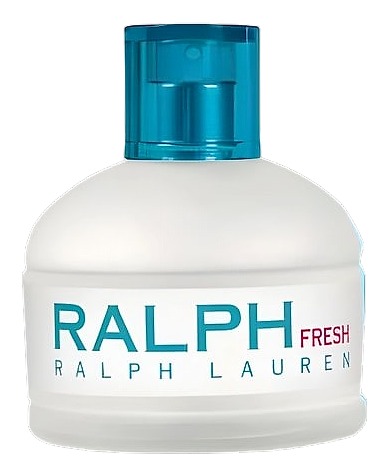
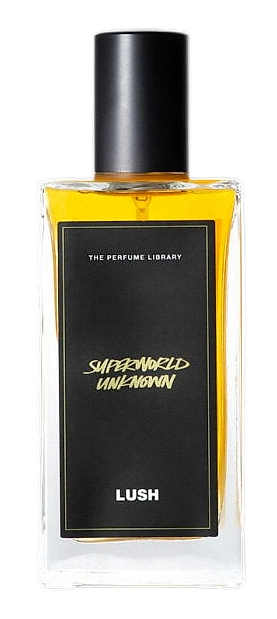
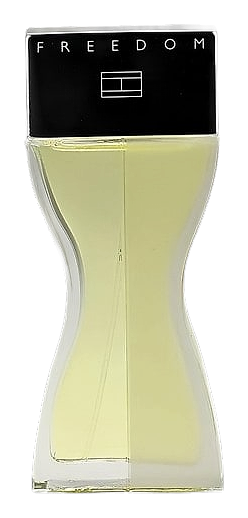
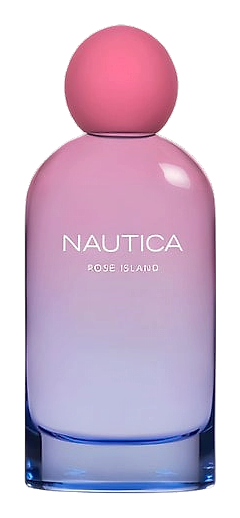
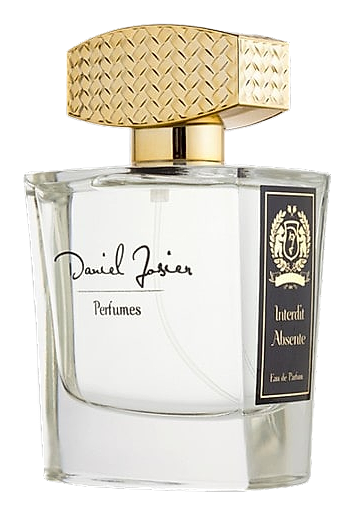
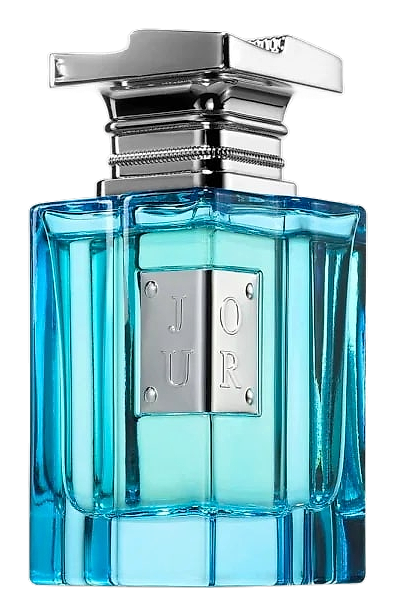
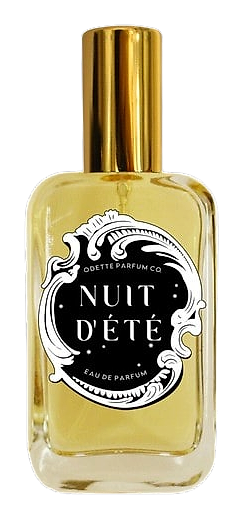
Fragrances featuring Lemon sorbet
Brands
Brands known for Lemon sorbet
Good to know
Questions, answered
The essentials on Lemon sorbet in perfumery: how it smells, where it comes from, and how it behaves on skin.
What does Lemon sorbet smell like in perfume?
Lemon sorbet smells sparkling, fruity, and cool, evoking the sensation of frozen citrus desserts. It combines bright lemon citrus with frosty, aqueous undertones to create an immediate sense of refreshment. The accord typically features aldehydes and cool-molecule synthetics alongside natural citrus materials.
Why is Lemon sorbet used in perfumery?
Perfumers use lemon sorbet accords to introduce brightness, transparency, and an immediate sense of freshness. The accord provides top-to-heart presence that lifts heavier base materials and creates a clean, sparkling quality. It works particularly well for summer fragrances and gender-neutral compositions.
Is Lemon sorbet in perfume natural or synthetic?
Lemon sorbet is primarily a synthetic accord, constructed from lab-created molecules that replicate the cool, frosty sensation of frozen lemon desserts. Natural lemon oil (cold-pressed from fruit rind) often supplements the accord for added complexity, but the signature sorbet character comes from synthesized aromatic compounds.
What famous perfumes contain Lemon sorbet?
Lemon sorbet accords appear across many modern fragrances, particularly in citrus-gourmand and fresh aquatic categories. While specific formulas vary, the accord is common in summer fragrances from houses like Acqua di Parma and Jo Malone. Exact compositions remain proprietary to each brand.
Is Lemon sorbet a top note, heart note, or base note?
Lemon sorbet functions as a top-to-heart note in perfumery. It delivers an immediate, bright citrus burst that typically fades within 15 to 30 minutes of application. The accord sits in the opening phase rather than the foundation, contributing initial freshness before heart and base notes develop.
What notes pair well with Lemon sorbet in perfume?
Lemon sorbet pairs well with aquatic notes, white florals like jasmine and gardenia, and complementary citruses such as bergamot and lime. It also combines effectively with light musks and subtle ozonic elements that enhance its cool, sparkling character without overwhelming the composition.
How is Lemon sorbet extracted?
Lemon sorbet is not extracted from a single source. It is a constructed accord blending cold-pressed lemon oil with synthetic aromatic molecules. Lemon oil itself comes from fruit rind via cold expression, a process perfected in Mediterranean regions. The sorbet character requires synthesized cool-molecule compounds alongside natural citrus.
Is Lemon sorbet used in men's or women's fragrances?
Lemon sorbet appears across men's, women's, and unisex fragrances. The accord's fresh, sparkling quality transcends traditional gender boundaries. Industry data shows citrus and cool-molecule accords are among the most gender-neutral fragrance ingredients, used extensively across all fragrance categories.