
The Story
Why it exists.
The beginning
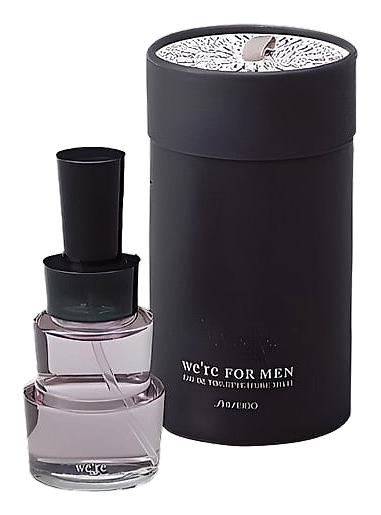
Maurice Roucel designed We're for Men. He built something different from the prevailing trends of the era. A citrus aromatic that didn't shout. The name says it all, not a persona, not a mood. Just men, straightforward, unapologetic. The fragrance embodies confidence without aggression, aromatic without nostalgia. Roucel approached the composition with Shiseido's characteristic restraint, creating something that stands apart through its clarity rather than its volume. The result is a scent that speaks directly, without ornamentation or pretense, letting the quality of the materials and their interactions do the work.
What makes this pyramid interesting is the heart. Rosemary and lavender are standard masculine territory. Raspberry is not. Roucel threaded it through the middle, a tartness that cuts through the green and prevents the composition from reading as merely clean. Combined with the green notes at the top, it gives We're for Men a naturalness that feels earned rather than forced. The base leans warm and woody, with sandalwood providing cream and clove providing bite.
The evolution
The top notes arrive brisk, lemon, bergamot, lime. The green leaves add a slightly vegetable crispness that distinguishes this from sharper citrus fragrances. The lavender and rosemary take over, pushing the composition toward something herbal and almost medicinal. The raspberry surfaces here, a fleeting tartness that appears once and doesn't return. Sandalwood and clove anchor the fragrance as it develops. The warmth builds quietly. The drydown is powdery, close to the skin, persistent. This stage offers something quieter and more intimate than the opening, a settling that reveals the composition's true character.
Cultural impact
Discontinued but remembered. We're for Men occupied a specific niche in masculine fragrance, neither aquatic nor oriental, neither aggressive nor forgettable. It found wearers who appreciated structure without statement. The composition's restraint made it appropriate for contexts where louder fragrances might have been intrusive. Those who wore it valued its ability to communicate presence without announcement, to suggest confidence rather than demand attention. The scent endures in memory for precisely this quality, an olfactory signature that understood the power of suggestion over declaration.