The Story
Why it exists.
The beginning
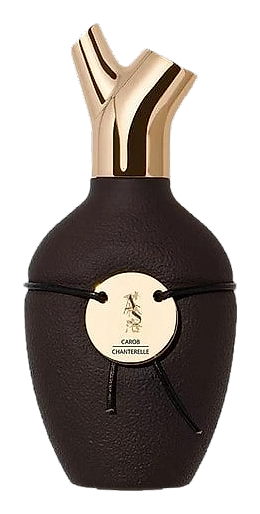
Every summer, wild chanterelles bloom outside the childhood home of Emma Vernon, host of the Perfume Room podcast, and the memory turned into a scent. The result is Carob Chanterelle, a two-part collaboration between Vernon's mushroom-fueled fantasy and Scents of Wood, composed by Meabh McCurtin and released in 2026 as an eau de parfum. The brief was never a pretty forest. It was the whole idea of a fungus that arrives in the woods and changes the ground it grows in. So the carob pod sits in the middle, roasted and bitter and slightly medicinal, with the chanterelle itself rendered as earthy and damp. Rum enters as the sweetness that isn't candy. Peru balsam and benzoin bring the resin, and cocoa shell closes the whole thing in smoke. Wild chanterelle, but not the grocery kind.
The unusual part is the material pairing. Cocoa shell reads as ash and dried husk rather than creamy sweetness, and it does the work of a closing note without ever tasting of chocolate. Carob, often mistaken for chocolate, brings its own pod-like character to the composition, drier and more vegetal than anything sweet. Set that beside a mushroom accord and seaweed absolute and you get something that reads damp and organic rather than edible. The result is a fragrance that sits closer to the woods than to the bakery, a study in soil, husk, and resin.
The evolution
Bran and sesame give it the smell of bread pulled from a dark oven, and then seaweed drops cold salt over that warmth, so the opening swings between bakery and shoreline. It's the oddest and most attention-grabbing part, and it doesn't behave like a typical fresh green top note. It dries down into something far more literal: carob pod, mushroom, and rum together, a warm earthy heart with a boozy edge that makes it feel like a drink served in a hollow log. Peru balsam pushes resin and balsamic depth underneath, and the sweetness gets darker rather than lighter. Cocoa shell settles in across the drydown, deepening the burnt, smoky register of the composition while benzoin holds an amber glow underneath it. The finale is smoky and resinous, a little like a fire pit after the coals have been stirred.
Cultural impact
Scents of Wood has carved out a reputation for materials that smell like themselves, and Carob Chanterelle fits that posture. It arrives through a podcast collaboration with Emma Vernon, and the making-of story was released as a two-part miniseries rather than a campaign. For wearers, the appeal is a gourmand that refuses to be merely sweet, landing squarely in soil and smoke rather than confectionery. It's a chocolate-adjacent composition for people who read labels for origin, and it rewards a second and third wearing far more than the first.
The House
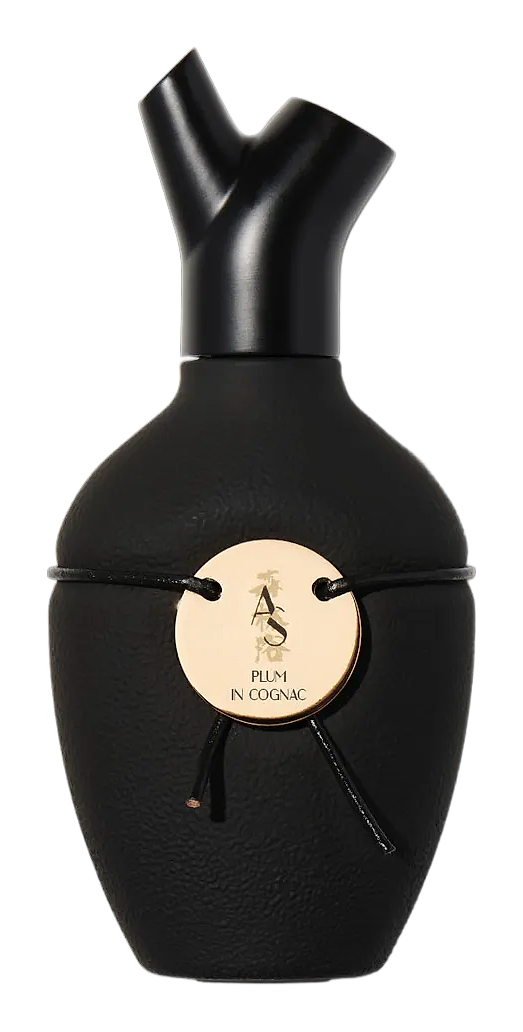
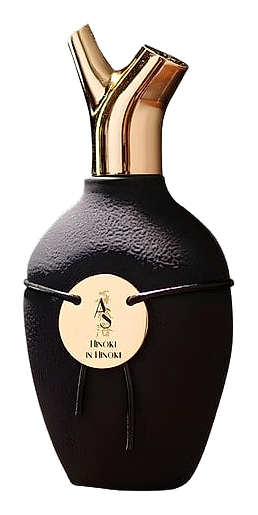
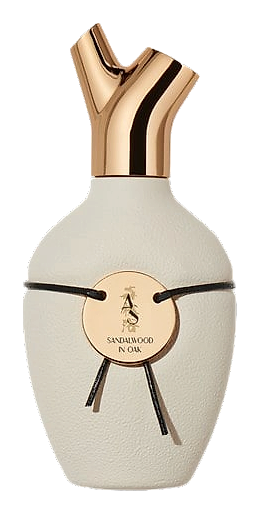
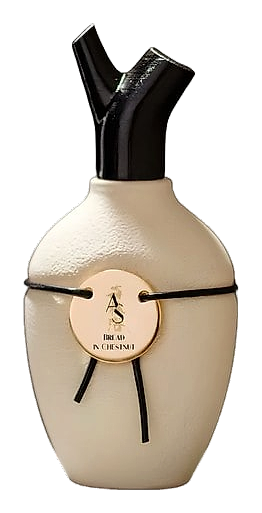
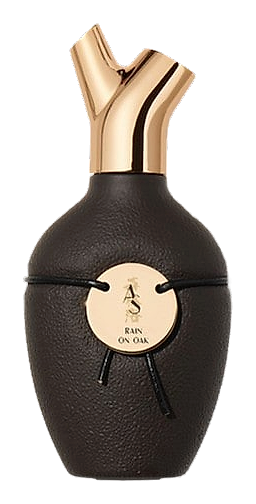
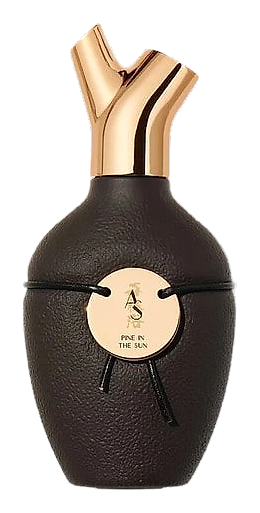
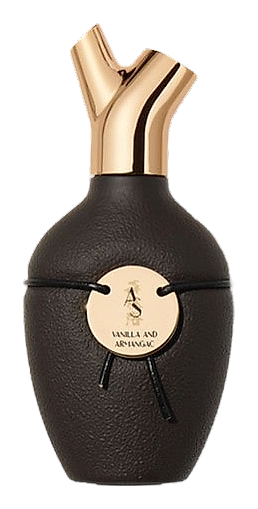
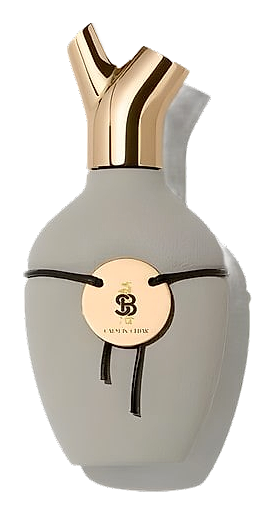
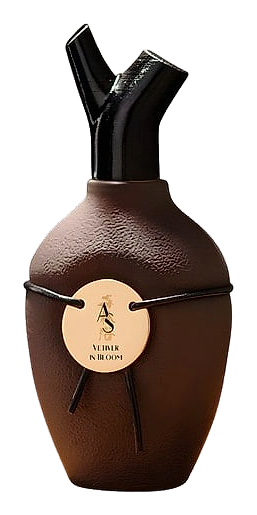
Scents of WoodScents of Wood is a Utah-based fragrance house built around a radical premise: the alcohol base should not merely carry a scent, but become part of it. Founded by former L'Oréal executive Fabrice Croisé, the brand ages organic cane alcohol in pre-used wooden barrels sourced from Scotland, Kentucky, Cognac, and beyond, infusing each fragrance with nuanced layers of whiskey, maple, and aged wood. Operating under three names across markets (Scents of Wood, L'Âme du Bois, Shinrin-yoku), the house presents itself as a love letter to forests and the olfactory world of trees. Top seller Plum in Cognac received the 2021 Fragrance Foundation Perfume Extraordinaire of the Year Award. Perfumer Mackenzie Reilly crafted the signature scent Sandalwood in Oak, released in 2020 alongside the brand's founding.
The Creator
Meabh McCurtinMcCurtin’s signature technique blends rigorous molecular analysis with intuitive layering. She favors transparent, light‑weight bases—often a crystal‑clear aldehyde or a soft musk—onto which she adds hand‑picked botanicals such as Irish heather, wild thyme, or sea kelp.