Carob
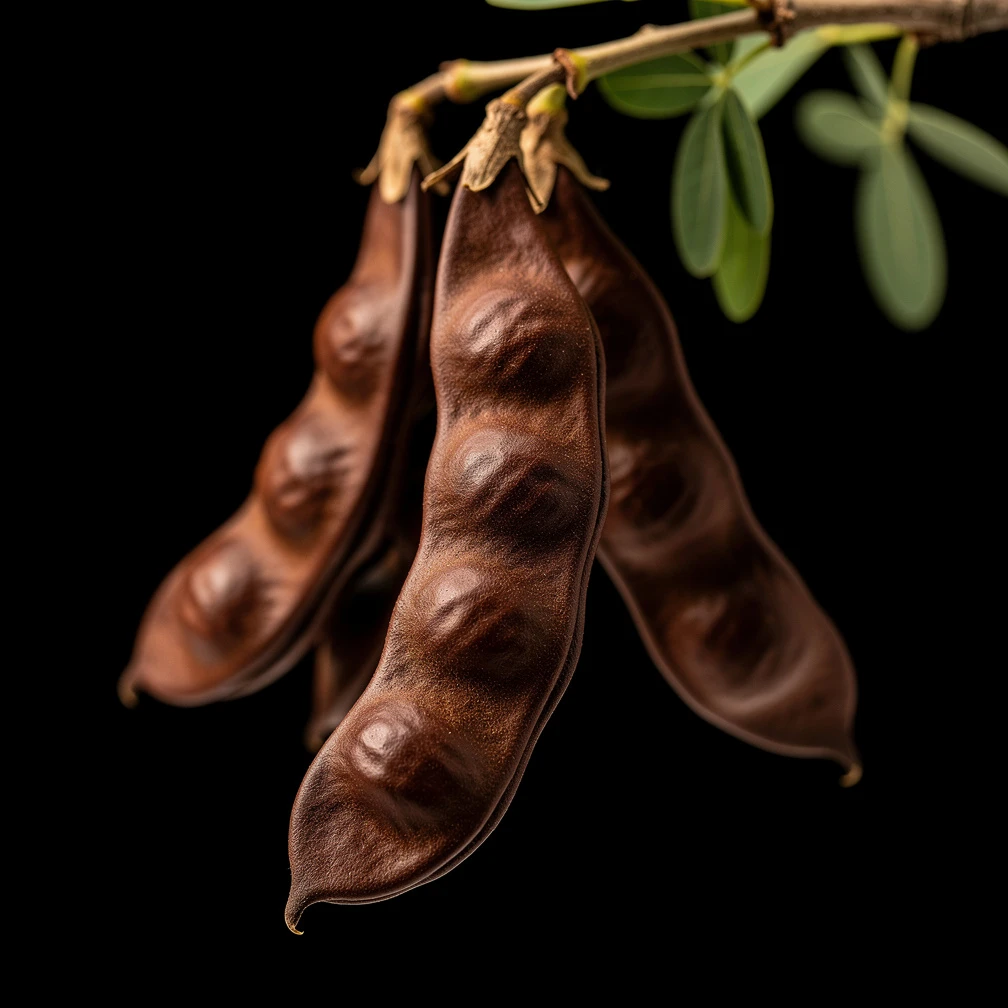
A warm, sweet note with sticky caramel depth and subtle chocolate whispers. Distilled from sun-dried carob pods, this Mediterranean ingredient brings gourmand richness that evokes comfort and indulgence without a single cocoa bean.
Character
How it smells
Mediterranean sweetness, zero cacao.
Ancient travelers and monks munched carob pods on long journeys. The name St. John's Bread comes from biblical accounts of John the Baptist surviving on locust beans in the desert.





Origin
Syria
The carob tree traces its roots to Syria and the broader Levant, where humans harvested its pods for thousands of years before written history began. Ancient Egyptians used carob in traditional preparations, and Greek physicians documented its medicinal properties.
The tree spread westward with Phoenician traders, establishing itself across the Mediterranean basin. Monks in medieval monasteries cultivated carob groves, feeding the pods to monastery animals and discovering its concentrated sweetness.
The name locust bean comes from a mistranslation of Arabic zakum, not the insect. By the 19th century, carob had become a staple food source across Spain, Italy, and North Africa, prized for its reliability during droughts when other crops failed.
Wears it best
Fragrances featuring Carob
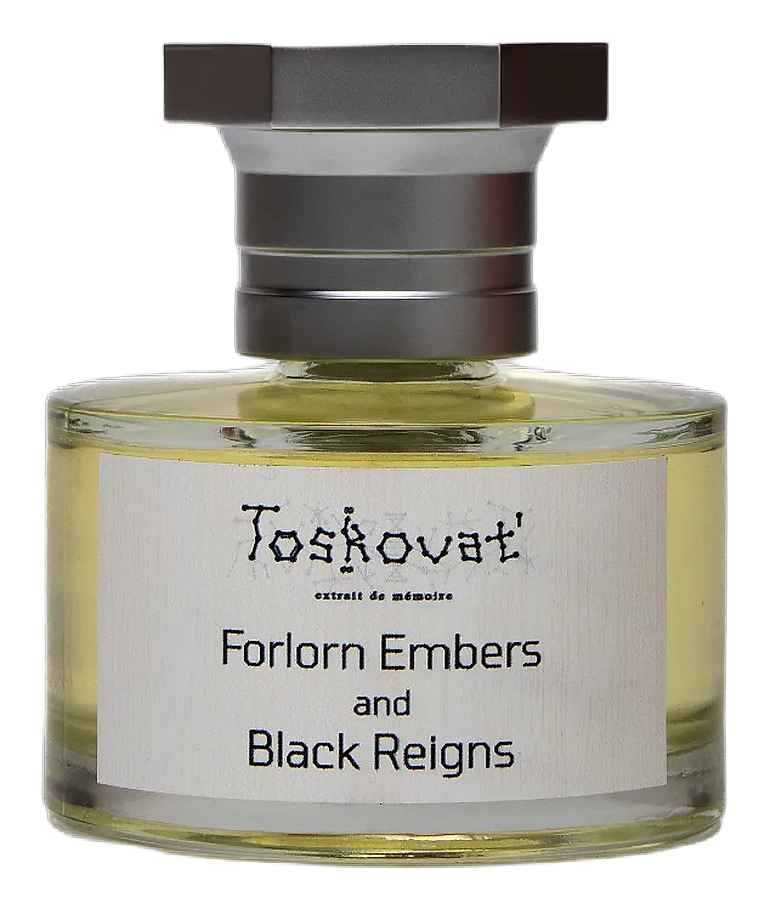
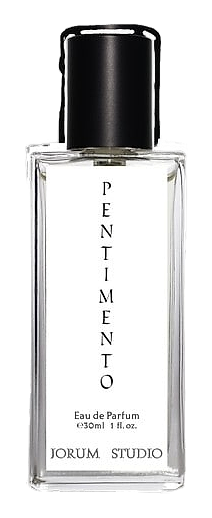
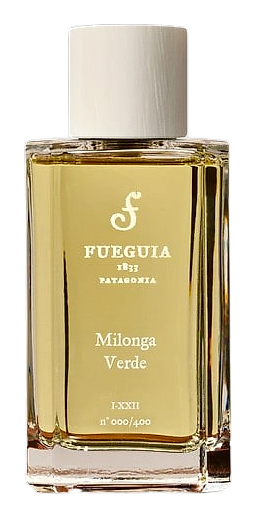
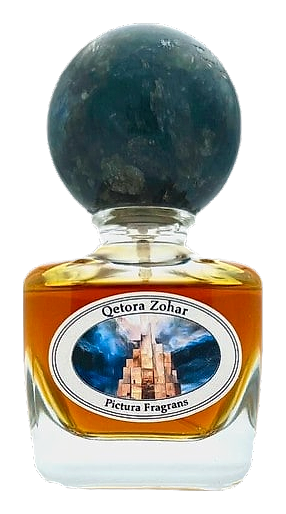
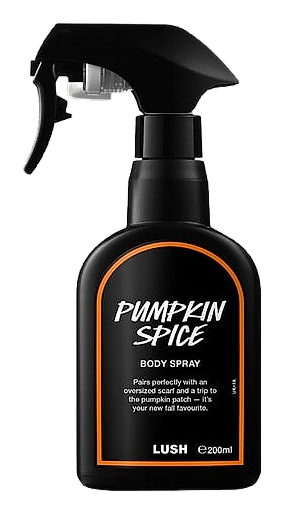
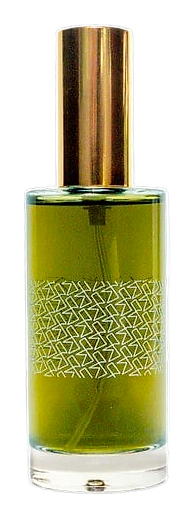
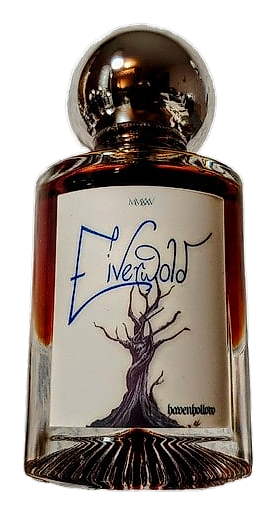
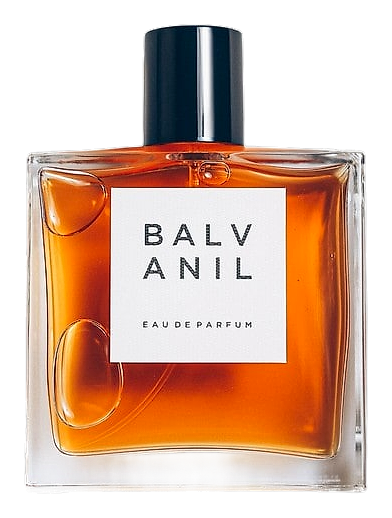
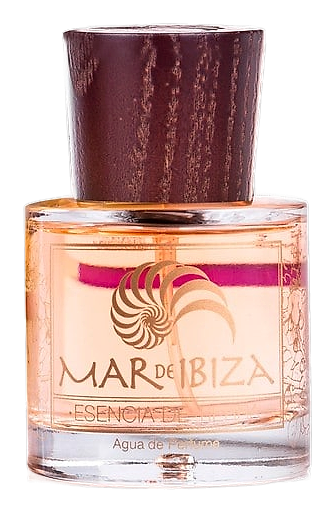
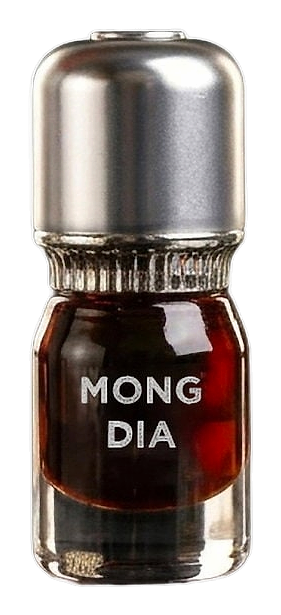
Brands
Brands known for Carob
Good to know
Questions, answered
The essentials on Carob in perfumery: how it smells, where it comes from, and how it behaves on skin.
What does carob smell like in perfume?
Carob delivers a warm, sweet aroma reminiscent of caramel and roasted malt. It lacks true chocolate depth but shares cocoa's comfort-food appeal. Blended with vanillas or benzoin, carob creates rich gourmand effects that feel edible without containing any cacao.
Is carob extract natural or synthetic?
Carob extract is entirely natural. Perfumers obtain it through hydroalcoholic extraction of dried carob pods, a method that mirrors how flavor chemists produce food-grade carob flavoring. No synthetic equivalent replicates its specific sweet, sticky character.
Where does carob for perfumery come from?
Spain leads global carob production, followed by Italy and Morocco. The trees thrive in Mediterranean climates with long dry summers. Syria remains the botanical origin point, where wild carob forests still exist alongside commercial groves.
What part of the carob tree produces fragrance material?
Perfumers use the mature seed pods, called locust beans, not the seeds inside. The pulpy mesocarp of the pod contains the concentrated sugars and aromatic compounds that yield the extract after solvent processing.
How do producers extract carob fragrance compounds?
Manufacturers soak dried, often roasted pods in a water-alcohol mixture, sometimes using food-grade ethanol. After maceration, they filter the liquid and concentrate it. Roasting the pods beforehand intensifies toasty, caramel notes in the final extract.
Why do perfumers choose carob over cocoa notes?
Carob offers a vegan alternative to cocoa while delivering similar comfort-food warmth. It adds sweetness and body without cocoa's bitterness. Fragrances seeking a subtler dessert effect often prefer carob's softer, more rounded profile.
How much carob does the world produce?
Global carob production reached approximately 56,423 tonnes in 2022. Spain dominates output, with significant harvests from Italy, Morocco, Greece, Turkey, and several North African nations. This volume supports both food and fragrance industries.
Has carob been used historically beyond food?
Humans have used carob since antiquity for food and medicine, but perfumery applications are relatively modern. The ingredient gained traction in the late 20th century as demand for natural gourmand materials grew, building on centuries of Mediterranean use.