The Story
Why it exists.
The beginning
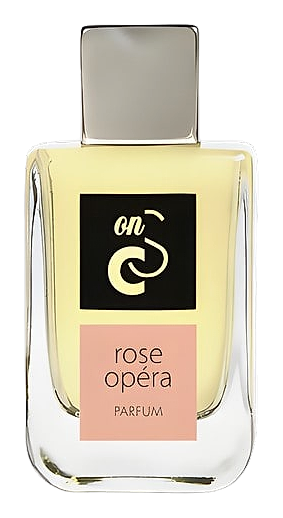
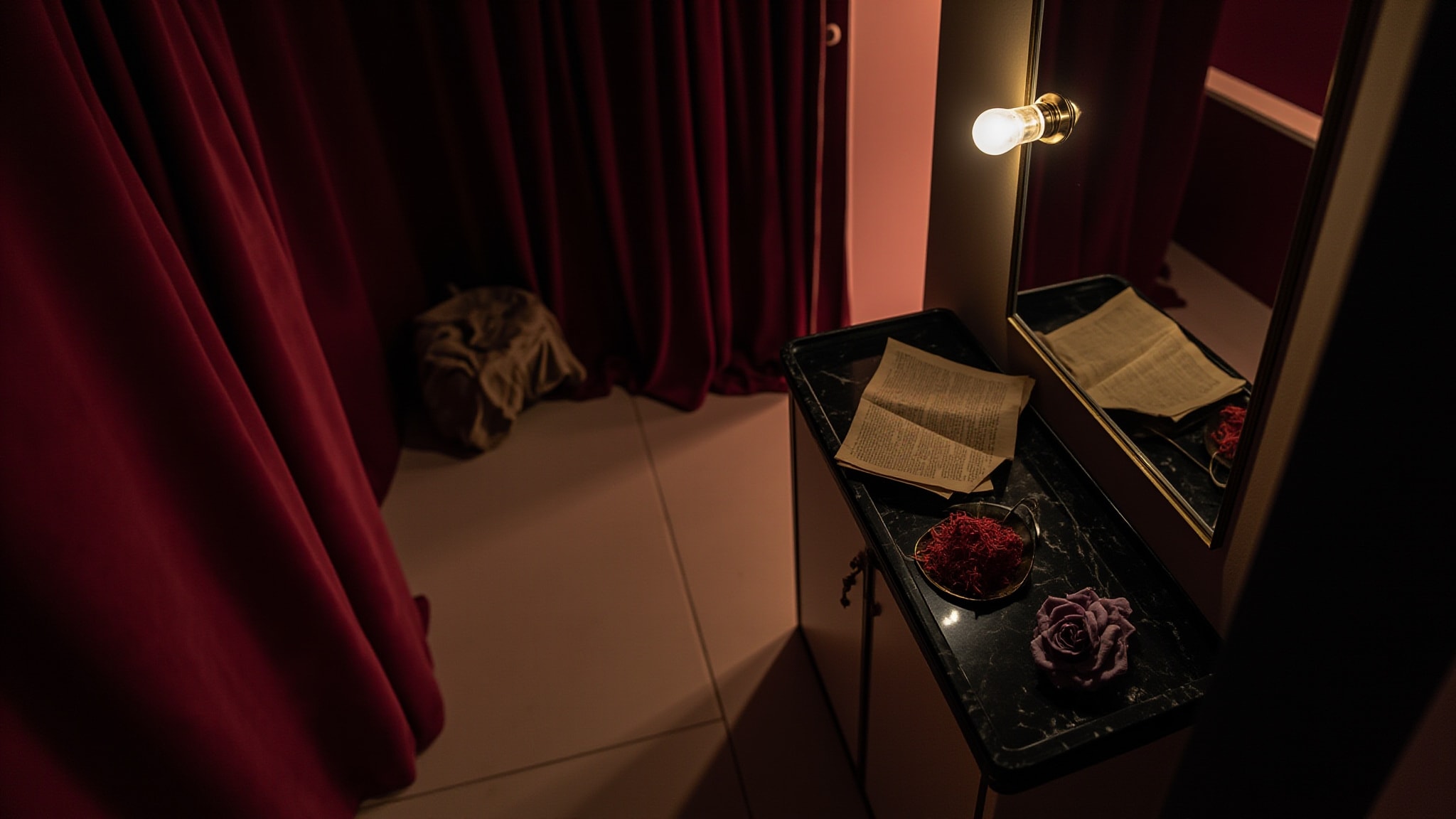
Rose Opéra arrived in 2013 from the Scent on Canvas studio. The composition is credited to Jordi Fernández, with some sources also noting Béatrice Aguilar's involvement in the creative process. The perfumer has spoken about drawing inspiration from a field of saffron, a starting point that gives the fragrance its warm, golden character from the very first impression. Rose Opéra pairs Turkish rose with this saffron thread, building a composition that feels lit from within rather than perfumed on top. The saffron here reads less like a kitchen spice and more like a material with its own gravity, a color as much as a scent, something that pulls the rose into unfamiliar territory and keeps it there.
What makes Rose Opéra structurally unusual is how it marries two high-volume materials, rose and saffron, and still manages to feel cohesive rather than cacophonous. Pink pepper, cardamom, mace, and nutmeg move through the heart in layered fashion, so that no single element dominates. Instead they create a warm, peppered atmosphere that frames the rose without smothering it.
The evolution
The first minutes belong to the raspberry and the bergamot, bright and almost edible, a curtain-raiser that disarms before the heavier material arrives. Turkish rose enters quickly, not as a single-stem soloflur but woven into a saffron haze that already smells warm and slightly smoky. The Calabrian bergamot keeps the opening from tipping into pure sweetness, adding a citrus bitterness that cuts the fruit and lends the opening a clean, lifted edge. The saffron threads through this stage like a slow ember, present but patient, waiting for the florals to establish themselves before it deepens. As the composition moves into its middle register, cardamom, pink pepper, and nutmeg create a warm, aromatic atmosphere where the rose feels gilded rather than fresh.
Cultural impact
Rose Opéra occupies an unusual niche: floral enough to appeal to rose devotees, spiced enough to interest lovers of oriental compositions. Wearers tend to describe it as theatrical, a scent for someone who wants warmth without sweetness and presence without volume. The saffron-rose pairing gives it a richness that distinguishes it from more conventional soliflore treatments of Turkish rose, where the flower is often presented alongside peony, violet, or green stems. Here the rose is treated to a warmer company, surrounded by materials that change how it reads on skin.