
The Story
Why it exists.
The beginning
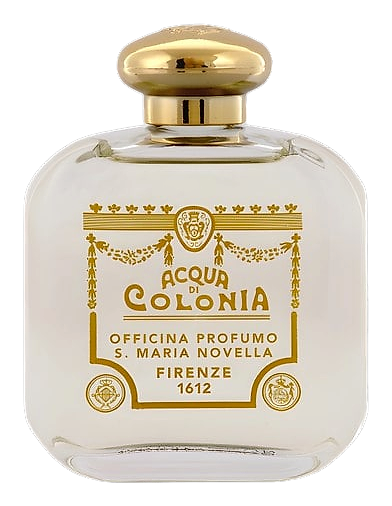
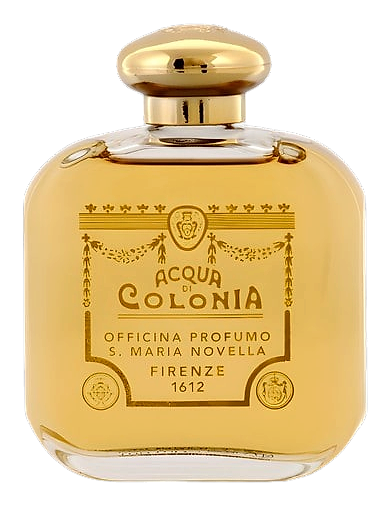
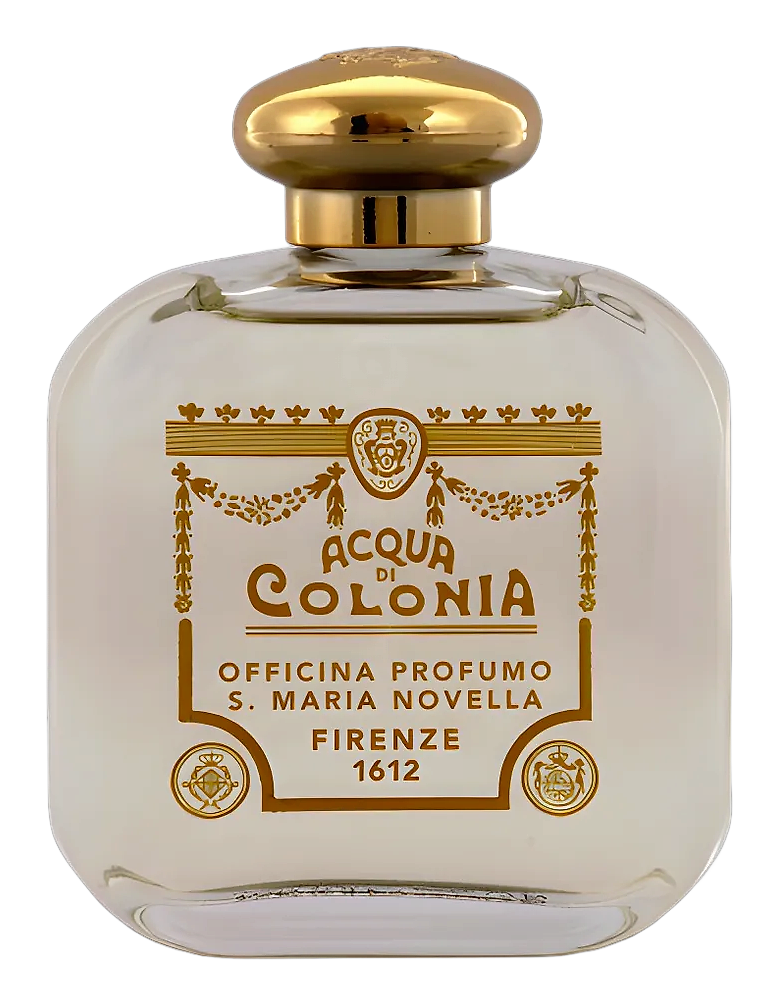
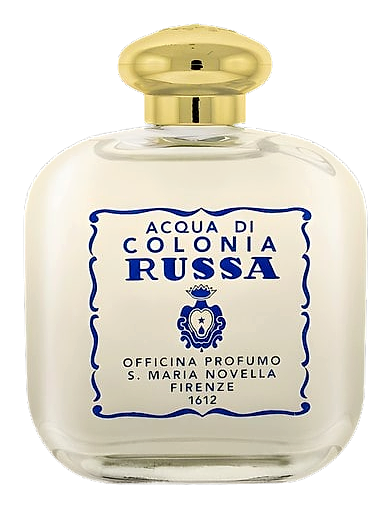
Colonia Russa arrived in 1913 from the Officina Profumo-Farmaceutica di Santa Maria Novella, the Florentine pharmacy founded by Dominican friars. The name 'Russa' drew on the house's apothecary archives to create something that carried the crispness expected of a cologne while adding an animalic depth borrowed from the medicinal tinctures the friars had refined over centuries. No single perfumer is credited in the archives, but the formula bears the marks of the workshop's collective knowledge: a base that holds, botanicals selected for their aromatic properties, and a structure that moves from bright citrus into herbal heart notes before settling into a warm, resinous foundation.
What makes Colonia Russa unusual is its base. Most colognes of the era leaned entirely on citrus and light aromatics, designed to evaporate cleanly and leave the wearer smelling freshly washed. This formula includes civet and castoreum, animalic materials that add a warm, almost musky depth beneath the bright top notes. The combination of Tolu balsam with benzoin creates a resinous drydown that lingers closer to the skin than a typical cologne would allow. It's the kind of structure that rewards patience: the first hour reads as crisp and citrus-forward, but the next three reveal why the house has been mixing tinctures since the thirteenth century.
The evolution
The opening hits bright and immediate, Calabrian bergamot and bitter orange cut through with neroli's floral sweetness. Rose appears briefly, softening the citrus edge before the herbal heart takes over. Within twenty minutes, lavender and rosemary move forward, turning the composition aromatic and green. The petitgrain adds a slightly bitter leafiness that keeps things grounded. By the second hour, the base notes assert themselves. Civet and castoreum arrive quietly at first, a warmth that seems to come from the skin itself rather than the fragrance. Tolu balsam follows, resinous and honeyed, while the musk keeps everything intimate. The drydown unfolds gradually, revealing a cologne that refuses to stay on the surface. What begins as citrus clarity deepens into something more complex, herbal notes giving way to animalic warmth and resinous sweetness that lingers close to the skin.
Cultural impact
Colonia Russa has been continuously produced since its launch, over a century of wearers who chose it once and kept choosing it. The formula's combination of citrus, aromatic herbs, and animalic base notes offers something increasingly rare: a cologne with a real drydown, a structure that rewards staying with it through the top notes into the heart and base. In the contemporary landscape, it appeals to those who want a fragrance that remembers it has somewhere to go.