The Story
Why it exists.
The beginning
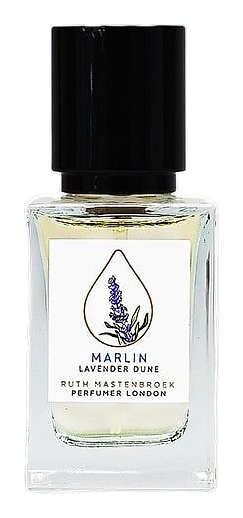
Marlin was created by Ruth Mastenbroek, and the official description frames the inspiration as exquisite, designed to surprise the senses with an unexpected character. That tension is visible throughout the composition, which treats lavender as a starting point rather than a final statement. A cool, herbal opening built on artemisia, thyme, and bergamot gives way to lavender paired with plum, steering clear of the predictable field-flower treatment most lavender fragrances fall back on. Amber adds warmth to the center without weighing anything down, while cedarwood, balsam fir, and tonka bean anchor the base in something woody and gently sweet. The result feels tactile and mysterious rather than decorative, more about contrast than comfort.
The unusual part is the pairing. Artemisia, bergamot, and thyme bring a green, aromatic snap. True lavender then introduces a familiar note, while plum and amber interrupt its expected softness with fruit and warmth. The base keeps that tension grounded in cedarwood and balsam fir, with tonka bean adding a rounded sweetness. Together, the notes make lavender feel less like a field and more like a place after the sun has gone down.
The evolution
The opening is the most brisk part of Marlin, where artemisia, bergamot, and thyme meet in a cool, herbal rush, like wind moving across grass after rain. As that brightness settles, lavender becomes clearer and more enveloping, while plum introduces a darker, rounder sweetness that contrasts the green notes rather than echoing them. Amber warms the center without making it feel heavy, smoothing the transitions between top and base. Then the composition leans into its woody foundation, with cedarwood and balsam fir bringing a dry, resinous edge and tonka bean leaving a soft, faintly vanilla-like trail beneath everything. The final shape of Marlin is less about a single floral statement than a balanced shift from green freshness to warm woods, fruit, and gentle sweetness. The progression rewards patience, with each phase revealing a slightly different reading of the lavender at its center.
Cultural impact
Marlin draws on lavender grown and harvested in Kent, which gives the fragrance a recognizable British setting and a sense of place you can almost feel in the cool herbal opening. The Kent reference is direct rather than decorative, grounding the composition in a specific landscape before the plum and woody notes reshape what lavender can smell like. By pairing the lavender with plum rather than the usual supporting cast of florals, the fragrance moves away from conventional rural freshness and toward something denser and more personal.
The House
Ruth MastenbroekRuth Mastenbroek crafts niche fragrances that balance narrative depth with modern clarity. Based in the United Kingdom, the brand offers a curated line of scents that emphasize longevity and unexpected ingredient pairings. Each bottle reflects the founder’s decades‑long experience as a perfumer and her commitment to creating aromas that feel both personal and adventurous. The collection includes celebrated releases such as Oxford (2015), Firedance (2017) and London Dusk (2024), each designed to unfold over time and invite a quiet moment of reflection.
The Creator
Ruth MastenbroekRuth’s signature technique rests on precise layering. She builds a base of clean, mineral notes, often a blend of white pepper, ozonic aldehydes, and soft cedar, then adds a heart of rare florals such as Bulgarian rose or Madagascan ylang‑ylang.