The Story
Why it exists.
The beginning
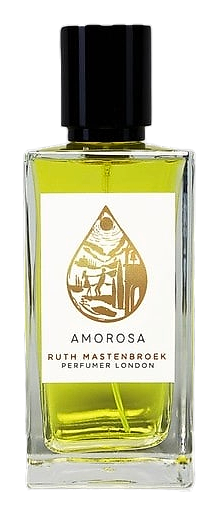
Ruth Mastenbrœk introduced Amorosa as a fragrance that captures a particular quality of living fully. The name itself says everything: Amorosa means a woman in love with life, someone who approaches each morning like an open door. The idea behind this scent was to bottle that feeling, not the obvious joy, but the specific kind of lightness that makes you tilt your face toward the sun without thinking about it. It's a fragrance built on insistence rather than complexity, the concept that a scent can lift your mood before you even realize it's happening. The composition carries a deliberate freshness and greenness that avoids the heavier territory niche perfumery often defaults to, creating something that feels both intentional and effortlessly accessible.
What makes Amorosa interesting is Mastenbrœk's refusal to let tuberose behave like tuberose usually does. In most compositions, it dominates, thick, white, almost suffocating in its richness. Here, galbanum and watermelon act as counterweights, keeping the florals airy and the green notes insistent rather than fleeting. The ylang-ylang adds a tropical creaminess that stops short of heaviness, and the vetiver in the base ensures the drydown stays grounded in something earthy and real rather than sweet. It's a fragrance that trusts its opening completely, that initial burst of green and fruit is not a preamble to something better, but the whole point. The honest construction means no note is decorative.
The evolution
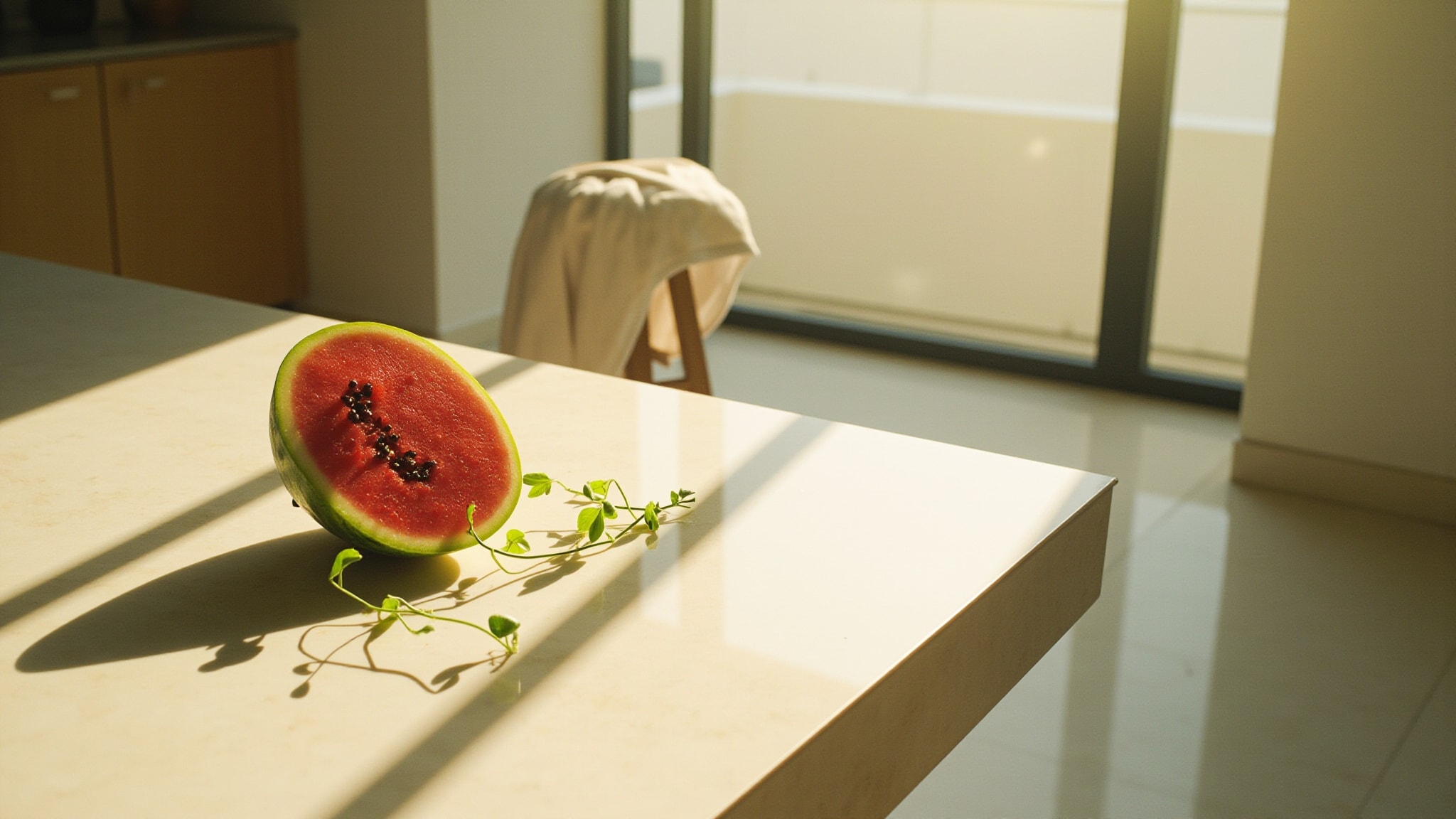
The opening hits fast: watermelon surging through galbanum's sharp green bite. That initial burst feels almost effervescent, like biting into cold fruit on a warm day. Violet leaf adds a dewy quality that makes the top notes feel alive rather than synthetic. Around the 30-minute mark, the florals begin their slow emergence. Tuberose doesn't arrive all at once, it seeps in, softening the green edge while keeping the composition light. Ylang-ylang follows, adding a tropical creaminess that rounds the heart without weighing it down. By hour two, the base takes over. Vetiver and amber ground the sweetness, preventing any slide into saccharine territory. The watermelon note lingers longest on fabric, fading last, a reminder of the freshness that started everything.
Cultural impact
Amorosa represents a specific moment in niche perfumery, the 2012 release arrived at a time when fresh-floral aquatics were finding new audiences beyond their mass-market associations. Ruth Mastenbrœk's approach, rooted in honest composition and unexpected ingredient pairings, positioned the fragrance for wearers who wanted something with genuine personality rather than a safe crowd-pleaser. The green-floral structure earned a loyal following among those who appreciate tuberose but find most interpretations overwhelming.