
The Story
Why it exists.
The beginning
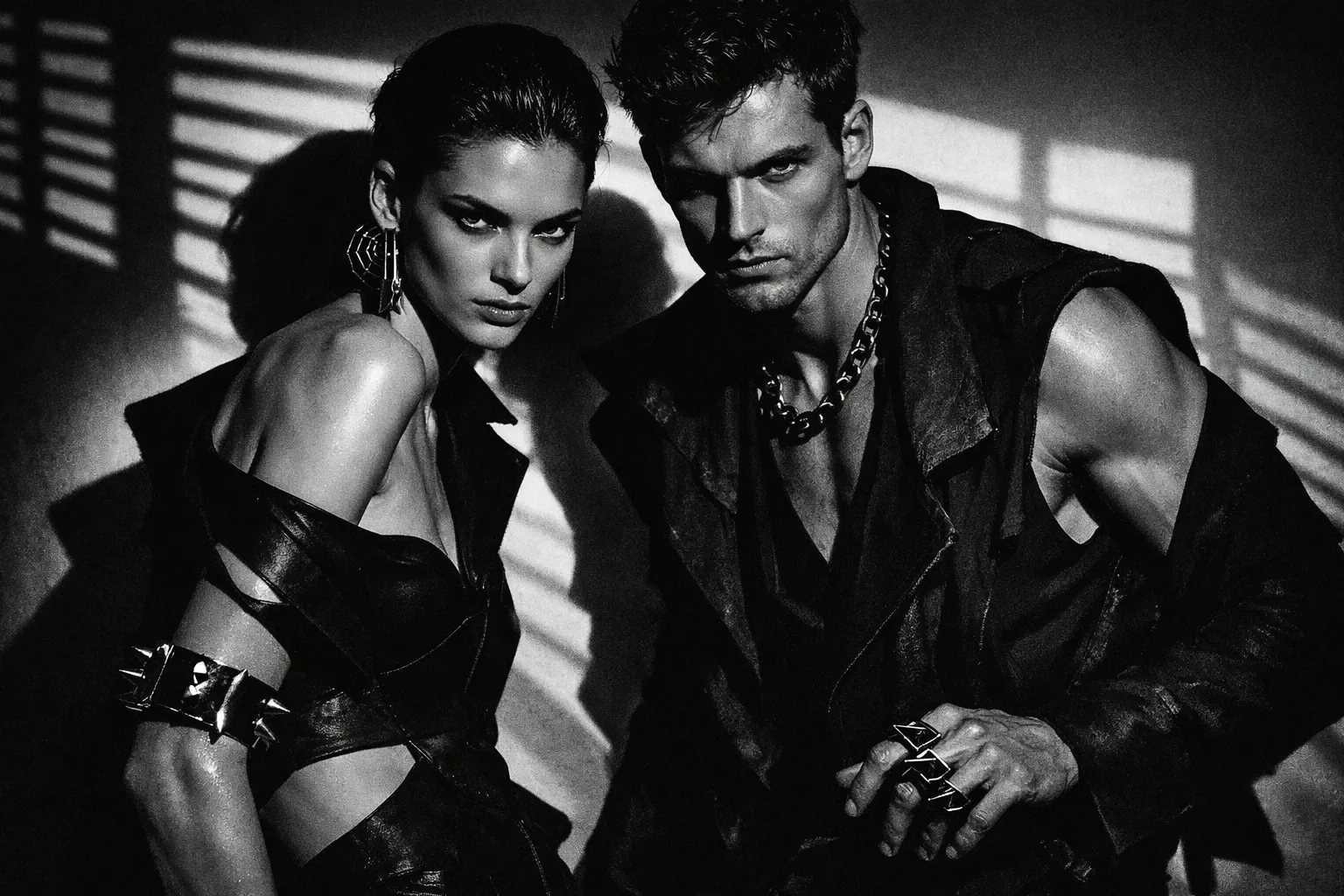
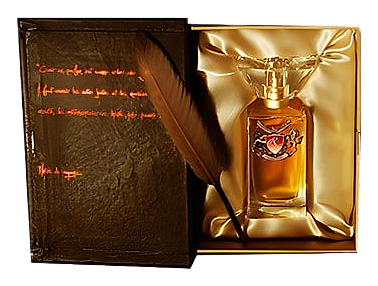
Predateur ou Proie arrived in 2010 as Rubino Cosmetics' exploration of an ancient tension: hunter and hunted, locked in the same moment. The title itself, Predator or Prey, announces the duality without resolution. It's a question the fragrance doesn't answer. The packaging seals the deal: a retro box of wood and cork, designed to resemble an ancient book. Whatever's inside has been waiting.
What makes this composition unusual is the hay. Not the sweet, warm hay of mown fields, something drier here, sun-bleached and a little wild, like the smell of a barn half-open to the wind. It sits beneath the leather and geranium in the heart phase, giving the floral elements something earthy to argue with. The artemisia in the opening doesn't play nice either, it's bitter, almost medicinal, cutting through the citrus brightness like a branch snapped in a forest rather than a market.
The evolution
The first thirty minutes announce themselves clearly. Artemisia leads, citrus follows, and cedarwood sits underneath keeping everything honest. For about an hour, the composition lives in this herbal-sharp register, green without being fresh-cut, citrus without sweetness. Then the hay surfaces. Not gradually. It pushes through the heart as the citrus recedes, followed by leather and geranium, a slightly wild floral that softens the grain without domesticating it. The lavender is the quiet connector, the aromatic thread that keeps the heart from falling apart. By the third hour, the drydown takes over: tobacco first, then vetiver, then sandalwood sitting close to the skin. Oak anchors it all. The tobacco note stays for hours, warm, slightly smoky, never sweet. On fabric, it lingers longer than on skin. The sillage is moderate from the start, never aggressive, but never disappears either.
Cultural impact
Predateur ou Proie emerged in 2010, a period when niche perfumery was gaining momentum outside mainstream luxury channels. The choice of artemisia as a dominant opening note was relatively uncommon at the time, distinguishing the fragrance from both mainstream florals and conventional masculine bases. The herbal-tobacco-woody structure positioned it outside typical gender-coded fragrance categories, an approach that aligned with the broader niche movement toward ingredient honesty and creative autonomy. Rubino Cosmetics, operating within the artisanal tradition, did not publicly attribute the perfumer, reinforcing the house's focus on the composition itself rather than auteur marketing.